





The ongoing debate of which is more important for overall health, diet or exercise, has been a topic of discussion for years. Some argue that diet is the key to maintaining a healthy weight and preventing chronic diseases, while others believe that exercise is the key to staying fit and improving cardiovascular health. In reality, both diet and exercise play crucial roles in achieving optimal health. It is important to find a balance between the two in order to reap the benefits of both.
Improving overall health goes beyond just diet and exercise. There are several other factors that contribute to our well-being. One of the most important factors is getting enough sleep. Sleep is essential for our bodies to repair and rejuvenate. It is recommended that adults get 7-9 hours of sleep each night.
Staying hydrated is another important aspect of maintaining good health. Water is essential for our bodies to function properly, and dehydration can lead to a variety of health issues. It is recommended that adults drink at least 8 cups (64 ounces) of water per day.
Reducing stress is also crucial for optimal health. Chronic stress can have a negative impact on both our physical and mental well-being. Finding effective stress management techniques such as meditation, deep breathing exercises, or engaging in hobbies can help reduce stress levels and improve overall health.
Stress has become a common part of our daily lives, but it can have serious consequences on our overall health if not managed effectively. Chronic stress has been linked to a variety of health issues including heart disease, obesity, and mental health disorders such as anxiety and depression.
Finding effective stress management techniques is crucial for maintaining good mental health and overall well-being. Some effective techniques include practicing mindfulness meditation, engaging in regular physical activity, and seeking support from friends, family, or a mental health professional.
| Condition | Prevalence | Treatment Options | Cost of Treatment |
|---|---|---|---|
| Diabetes | 29.1 million Americans | Diet, exercise, medication, insulin therapy | 7,900 per year |
| Heart Disease | 30.3 million Americans | Medication, lifestyle changes, surgery | 18,953 per year |
| Arthritis | 54.4 million Americans | Medication, physical therapy, surgery | 2,117 per year |
| Asthma | 25 million Americans | Inhalers, nebulizers, medication | 3,266 per year |
Managing chronic health conditions requires a combination of medication management and lifestyle changes. Medications prescribed by healthcare professionals play a crucial role in managing symptoms and preventing complications. It is important to take medications as prescribed and communicate any concerns or side effects with your healthcare provider.
In addition to medication management, lifestyle changes can also have a significant impact on managing chronic health conditions. This may include adopting a healthy diet, engaging in regular physical activity, quitting smoking, and reducing stress levels. It is important to work closely with healthcare professionals to develop a personalized plan that addresses your specific needs.
Preventive health practices are essential for maintaining good health and preventing the development of chronic diseases. Regular check-ups and screenings can help detect potential health issues early on when they are easier to treat.
It is recommended that adults receive regular check-ups with their primary care physician at least once a year. During these visits, healthcare professionals can assess overall health, perform necessary screenings, and provide guidance on maintaining a healthy lifestyle.
Screenings such as mammograms, colonoscopies, and blood tests can help detect potential health issues such as cancer, diabetes, and high cholesterol. These screenings are typically recommended based on age, gender, and individual risk factors.
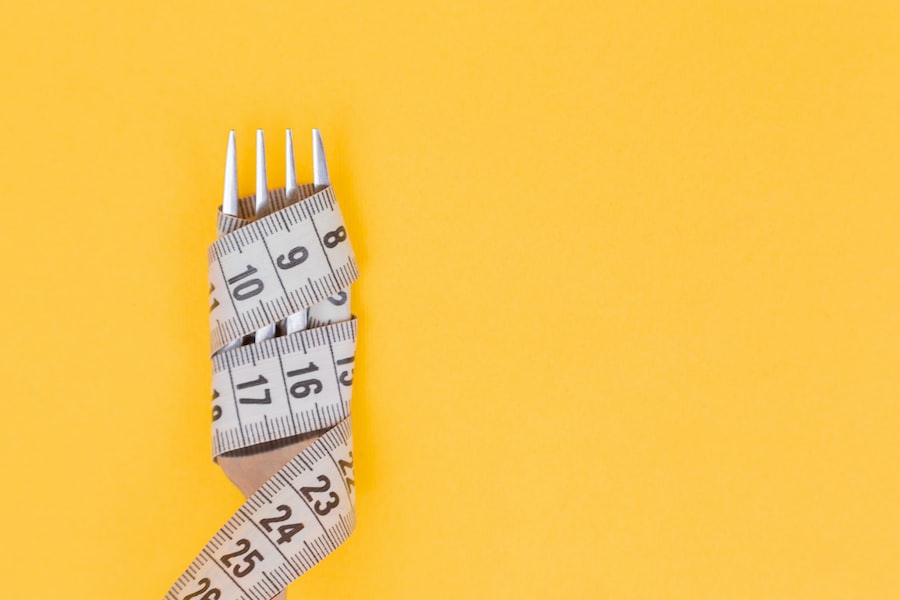
Encouraging healthier habits as a family can have a significant impact on overall health and well-being. Meal planning and cooking together can help promote healthier eating habits. This allows for more control over ingredients and portion sizes, making it easier to make nutritious choices.
Physical activity is also important for the whole family. Engaging in activities such as walking, biking, or playing sports together not only promotes physical fitness but also strengthens family bonds.
It is important to lead by example and create a supportive environment that encourages healthy habits. This includes providing nutritious meals and snacks, limiting screen time, and making physical activity a regular part of family routines.
A balanced diet is essential for overall health and well-being. It provides the necessary nutrients our bodies need to function properly and maintain good health. Understanding nutritional needs and making informed food choices is crucial for optimal health.
A balanced diet should include a variety of fruits, vegetables, whole grains, lean proteins, and healthy fats. It is important to limit the intake of processed foods, sugary beverages, and foods high in saturated fats and sodium.
It is also important to pay attention to portion sizes and practice mindful eating. This involves listening to your body’s hunger and fullness cues and eating until you are satisfied, not overly full.
Physical activity plays a crucial role in maintaining good health. It has numerous benefits for both our physical and mental well-being. Regular exercise can help improve cardiovascular health, strengthen muscles and bones, and reduce the risk of chronic diseases such as heart disease, diabetes, and certain types of cancer.
Exercise also has mental health benefits. It can help reduce symptoms of anxiety and depression, improve mood, boost self-esteem, and enhance cognitive function.
It is recommended that adults engage in at least 150 minutes of moderate-intensity aerobic activity or 75 minutes of vigorous-intensity aerobic activity per week. This can be achieved through activities such as brisk walking, jogging, cycling, swimming, or dancing.
Finding the right balance between diet and exercise is crucial for achieving optimal health. Both play important roles in maintaining a healthy weight, preventing chronic diseases, and improving overall well-being.
Setting realistic goals is important when it comes to diet and exercise. It is important to focus on making sustainable changes rather than quick fixes. Gradually incorporating healthier food choices and increasing physical activity levels over time can lead to long-term success.
Tracking progress can also be helpful in finding the right balance. Keeping a food diary or using a fitness tracker can help monitor food intake and physical activity levels. This can provide valuable insights and help identify areas for improvement.
Prioritizing health is essential for a better quality of life and overall well-being. It is important to find a balance between diet and exercise, as well as other factors such as sleep, hydration, stress management, and preventive health practices.
By making small, sustainable changes to our lifestyle and incorporating healthy habits into our daily routines, we can improve our overall health and well-being. It is never too late to start prioritizing health and taking steps towards a healthier lifestyle.
If you’re trying to decide whether diet or exercise is more important for weight loss, you might find this article on the Health Speak website helpful. It discusses the benefits and drawbacks of both approaches and provides insights into finding the right balance. Check it out here.
Diet and exercise are both important for maintaining a healthy lifestyle. Diet provides the necessary nutrients for the body to function properly, while exercise helps to improve cardiovascular health, build muscle, and maintain a healthy weight.
Both diet and exercise are equally important for overall health and wellness. While exercise can help burn calories and build muscle, a healthy diet is necessary for providing the body with the necessary nutrients to function properly.
Yes, it is possible to lose weight with just diet or just exercise. However, combining both diet and exercise is the most effective way to achieve weight loss and maintain a healthy lifestyle.
A healthy diet should include a variety of fruits, vegetables, whole grains, lean proteins, and healthy fats. Examples include leafy greens, berries, quinoa, chicken breast, and avocado.
Examples of exercise include cardio activities such as running, cycling, and swimming, as well as strength training exercises such as weightlifting and bodyweight exercises like push-ups and squats.
