

Empower Your Health And Well-Being With Better Health News and Information
Platelets are small, disc-shaped cell fragments in the blood that play a crucial role in the body’s ability to stop bleeding. They are produced in the bone marrow and are essential for the process of hemostasis, which is the body’s natural response to injury. When a blood vessel is damaged, platelets quickly gather at the site of injury, adhering to the exposed tissue and each other.
This aggregation forms a temporary plug that helps to seal the wound and prevent excessive blood loss. In addition to their role in clot formation, platelets also release various substances that promote healing and inflammation, making them vital for recovery from injuries. The function of platelets is not limited to just stopping bleeding; they also participate in various physiological processes.
For instance, they are involved in immune responses and can influence the repair of damaged tissues. The balance of platelet activity is essential; while they must be active enough to prevent bleeding, excessive platelet function can lead to unwanted clot formation, which may result in conditions such as thrombosis. Understanding how platelets operate and their multifaceted roles in the body is fundamental for appreciating their importance in overall health.
Maintaining healthy platelet function is essential for overall well-being. Proper platelet activity ensures that the body can effectively respond to injuries, minimizing blood loss and facilitating healing. When platelet function is compromised, it can lead to a range of health issues.
For example, insufficient platelet activity may result in prolonged bleeding, which can be dangerous in situations such as surgery or injury. Conversely, overactive platelets can contribute to cardiovascular diseases by forming clots that obstruct blood flow, potentially leading to heart attacks or strokes. Healthy platelet function is also linked to various bodily systems beyond just the circulatory system.
For instance, it plays a role in inflammation and immune responses. When platelets function optimally, they help regulate these processes, ensuring that the body can respond appropriately to infections and injuries. Therefore, understanding and supporting healthy platelet function is vital for maintaining not only cardiovascular health but also overall bodily functions.
Natural supplements can play a significant role in supporting healthy platelet function. Certain vitamins and minerals are known to contribute positively to platelet health. For instance, vitamin K is essential for the synthesis of proteins required for blood coagulation.
It helps ensure that platelets can effectively form clots when necessary. Additionally, vitamin C is known for its antioxidant properties and may support overall vascular health, indirectly benefiting platelet function. Another important supplement is omega-3 fatty acids, which are found in fish oil.
These fatty acids have been shown to help maintain a healthy balance of platelet activity by reducing excessive aggregation. This can be particularly beneficial for individuals at risk of cardiovascular issues. Incorporating these natural supplements into one’s diet can be an effective strategy for promoting optimal platelet function and overall health.
Diet plays a crucial role in supporting healthy platelet function. Consuming a balanced diet rich in essential nutrients can help maintain optimal platelet activity. Foods high in vitamin K, such as leafy greens like spinach and kale, are particularly beneficial as they support the body’s ability to form clots when necessary.
Additionally, foods rich in antioxidants, such as berries and nuts, can help protect platelets from oxidative stress, promoting their longevity and functionality. Moreover, incorporating foods high in omega-3 fatty acids, such as salmon, walnuts, and flaxseeds, can help regulate platelet aggregation. These foods not only support heart health but also contribute to maintaining a healthy balance of platelet activity.
A well-rounded diet that includes a variety of fruits, vegetables, whole grains, and healthy fats can significantly enhance platelet function and overall health.
Several lifestyle factors can influence platelet function significantly. One of the most critical factors is physical activity. Regular exercise has been shown to improve circulation and promote healthy blood flow, which can enhance platelet function.
Engaging in moderate physical activity helps maintain a healthy weight and reduces the risk of conditions that may negatively impact platelet activity. Another important lifestyle factor is stress management. Chronic stress can lead to increased levels of certain hormones that may affect platelet function negatively.
Implementing stress-reduction techniques such as mindfulness, meditation, or yoga can help maintain a balanced physiological state conducive to healthy platelet activity. By addressing these lifestyle factors, individuals can take proactive steps toward supporting their platelet health.
Herbal remedies have been used for centuries to support various aspects of health, including platelet function. Certain herbs are known for their potential benefits in promoting healthy blood circulation and supporting the body’s natural clotting mechanisms. For example, ginger is often recognized for its anti-inflammatory properties and may help improve circulation while supporting overall cardiovascular health.
Turmeric is another herb that has gained attention for its potential benefits related to platelet function. Curcumin, the active compound in turmeric, has been shown to have anti-inflammatory effects that may help regulate platelet activity. Incorporating these herbs into one’s diet or using them as supplements can be an effective way to support healthy platelet function naturally.
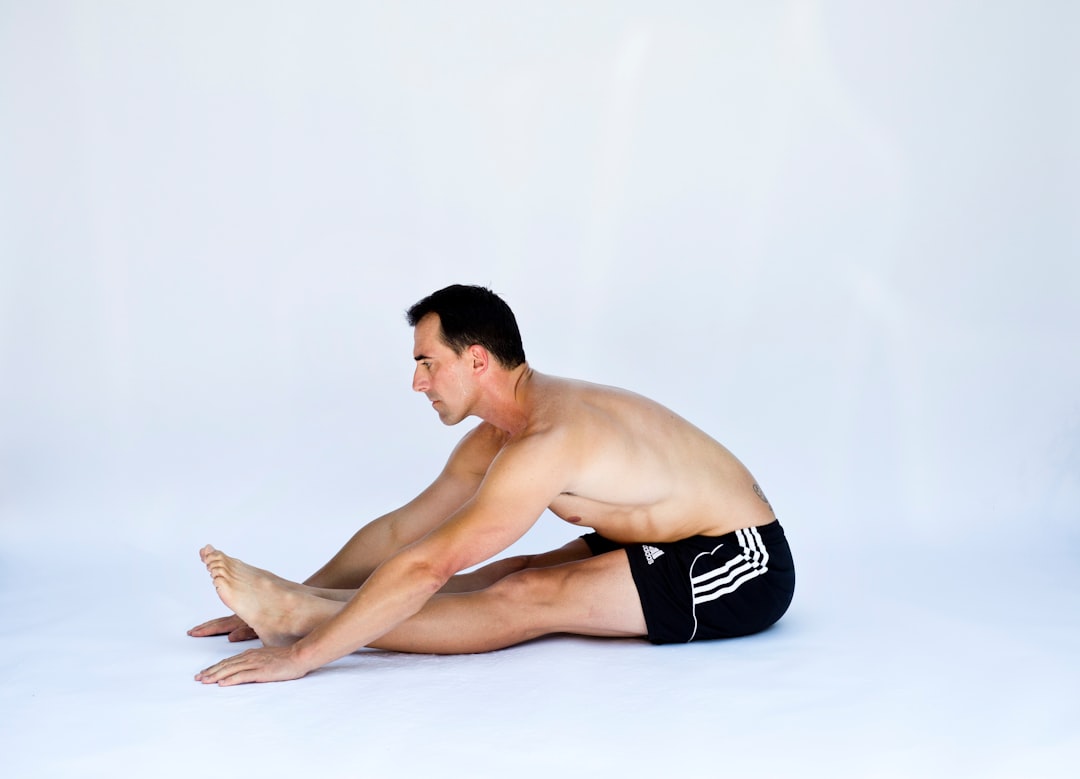
Exercise is a powerful tool for enhancing overall health, including the function of platelets. Engaging in regular physical activity promotes better circulation and helps maintain a healthy weight, both of which are essential for optimal platelet function. Aerobic exercises such as walking, running, or cycling can improve cardiovascular health by enhancing blood flow and reducing the risk of clot formation.
Moreover, strength training exercises contribute to overall muscle health and metabolic function, which can indirectly support healthy platelet activity. The combination of aerobic and strength training exercises creates a balanced fitness routine that not only benefits cardiovascular health but also supports the body’s ability to manage platelet function effectively.
An integrative approach to supporting platelet function involves combining various strategies from diet, lifestyle changes, natural supplements, and exercise into a cohesive plan for optimal health. This holistic perspective recognizes that no single factor operates in isolation; rather, they all interact to influence overall well-being. For instance, an individual might focus on consuming a nutrient-rich diet while simultaneously engaging in regular physical activity and incorporating stress management techniques into their daily routine.
By addressing multiple aspects of health simultaneously, individuals can create an environment that supports healthy platelet function more effectively than by focusing on one area alone. This comprehensive approach not only enhances platelet health but also contributes to overall vitality and well-being. In conclusion, understanding the importance of healthy platelet function is essential for maintaining overall health.
By exploring natural supplements, dietary support, lifestyle factors, herbal remedies, exercise routines, and integrative approaches, individuals can take proactive steps toward promoting optimal platelet activity. This multifaceted strategy not only supports cardiovascular health but also enhances the body’s ability to heal and respond effectively to injuries.

Dr. Mark Leeds, DO is an addiction medicine specialist in Fort Lauderdale, FL and has over 26 years of experience in the medical field. He graduated from Des Moines University College Of Osteopathic Medicine in 1996. He is affiliated with Florida Medical Center. His office accepts new patients.