

Empower Your Health And Well-Being With Better Health News and Information
Labyrinthitis is an inner ear disorder that affects the labyrinth, a structure responsible for balance and hearing. This condition often arises from infections, either viral or bacterial, that can inflame the labyrinth. Common causes include respiratory infections, such as colds or flu, which can lead to inflammation in the inner ear.
Additionally, certain conditions like meningitis or autoimmune diseases may also contribute to the development of labyrinthitis. Understanding these causes is crucial for recognizing the symptoms and seeking appropriate treatment. The symptoms of labyrinthitis can vary in intensity and may include dizziness, vertigo, hearing loss, and balance issues.
Individuals may experience a spinning sensation, making it difficult to maintain stability while standing or walking. Hearing loss can range from mild to severe and may affect one or both ears. Other symptoms may include tinnitus, which is a ringing or buzzing sound in the ears, and nausea.
Recognizing these symptoms early can help individuals seek timely medical attention and begin their recovery process.
When experiencing symptoms of labyrinthitis, it is essential to seek medical treatment promptly. A healthcare provider will typically conduct a thorough examination, which may include a physical assessment and a review of medical history. Diagnostic tests, such as hearing tests or imaging studies, may be employed to confirm the diagnosis and rule out other potential conditions.
Early intervention can significantly improve outcomes and reduce the duration of symptoms. Treatment for labyrinthitis often focuses on alleviating symptoms and addressing the underlying cause. In many cases, antiviral or antibiotic medications may be prescribed if an infection is identified.
Additionally, medications to manage dizziness and nausea can provide relief during the acute phase of the condition. It is important for individuals to follow their healthcare provider’s recommendations closely to ensure a smooth recovery.
Coping with the symptoms of labyrinthitis can be challenging, as they can significantly impact daily life. Individuals may find it difficult to perform routine tasks or engage in social activities due to dizziness and balance issues. Developing coping strategies is essential for managing these symptoms effectively.
One approach is to create a safe environment by removing potential hazards that could lead to falls, such as loose rugs or cluttered spaces. Additionally, individuals may benefit from using assistive devices, such as canes or walkers, to enhance stability while moving around. It is also helpful to take breaks when feeling overwhelmed by symptoms.
Resting in a quiet, dark room can provide relief from dizziness and help individuals regain their composure. Engaging in gentle activities, such as reading or listening to calming music, can also serve as effective distractions from discomfort.
Rest and relaxation play a vital role in the healing process for those recovering from labyrinthitis. The body requires time to recuperate from inflammation and restore balance within the inner ear. Prioritizing rest allows individuals to conserve energy and focus on recovery.
Creating a comfortable environment conducive to relaxation can enhance this process. Soft lighting, comfortable seating, and minimal noise can contribute to a calming atmosphere. Incorporating relaxation techniques into daily routines can also be beneficial.
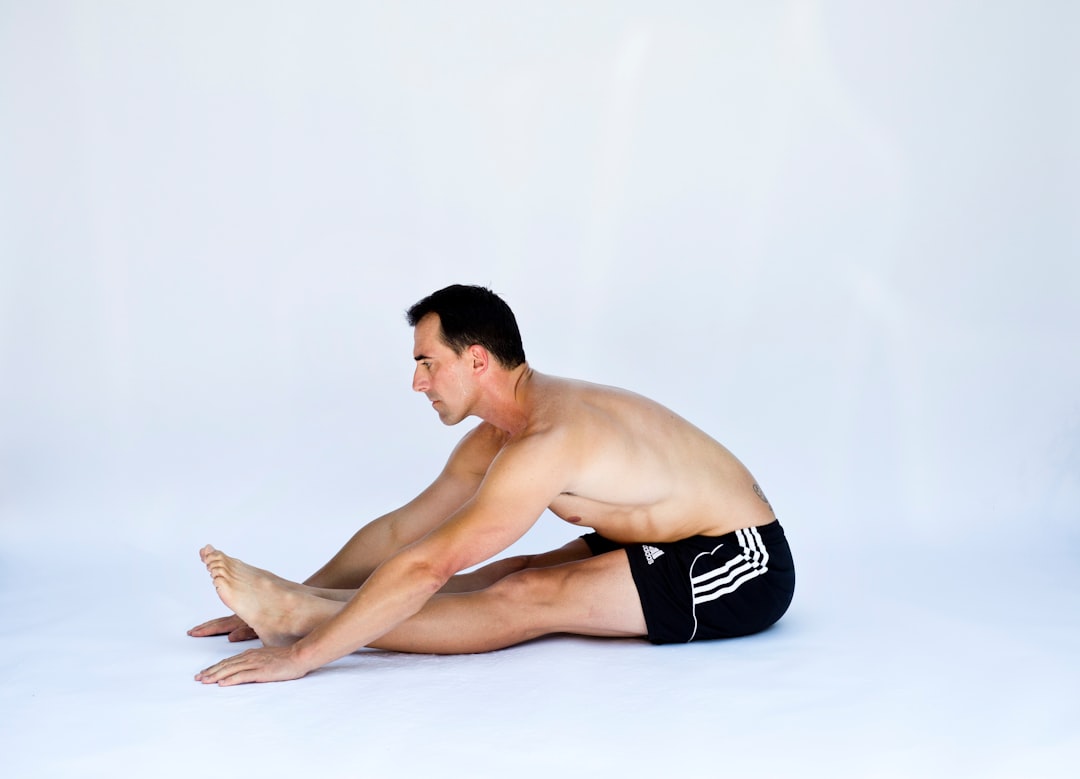
Practices such as deep breathing exercises, meditation, or gentle yoga can help reduce stress and promote a sense of well-being. These techniques not only aid in physical recovery but also support mental health during challenging times. By embracing rest and relaxation, individuals can facilitate their healing journey and improve their overall quality of life.
Vestibular rehabilitation therapy (VRT) is an essential component in the recovery process for individuals with labyrinthitis. This specialized form of physical therapy focuses on improving balance and reducing dizziness through targeted exercises. A trained therapist will design a personalized program that addresses specific symptoms and challenges faced by the individual.
These exercises aim to retrain the brain’s response to balance signals from the inner ear. VRT typically includes a combination of balance training, gaze stabilization exercises, and habituation techniques. Balance training helps individuals regain stability while standing or walking, while gaze stabilization exercises improve visual focus during movement.
Habituation techniques involve gradually exposing individuals to movements that trigger dizziness, allowing them to adapt over time. Engaging in VRT can significantly enhance recovery outcomes and empower individuals to regain control over their daily activities.
Making dietary and lifestyle changes can play a significant role in managing labyrinthitis symptoms and promoting overall health. A balanced diet rich in vitamins and minerals supports the immune system, which is crucial for recovery from infections that may cause labyrinthitis. Incorporating foods high in antioxidants, such as fruits and vegetables, can help reduce inflammation in the body.
Additionally, staying hydrated is essential for maintaining optimal bodily functions. Drinking plenty of water throughout the day can help prevent dehydration, which may exacerbate dizziness and other symptoms. Limiting caffeine and alcohol intake is also advisable, as these substances can affect balance and exacerbate symptoms.
By adopting healthier dietary habits and lifestyle choices, individuals can support their recovery process and improve their overall well-being.
The journey of healing from labyrinthitis can be emotionally taxing, as individuals may experience frustration or anxiety due to their symptoms. Seeking mental and emotional support is crucial during this time. Connecting with friends or family members who understand the challenges faced can provide comfort and encouragement.
Sharing experiences with others who have gone through similar situations can also foster a sense of community. In addition to social support, engaging in mindfulness practices can help individuals manage stress and anxiety related to their condition. Techniques such as journaling or practicing gratitude can promote positive thinking and emotional resilience.
If feelings of sadness or anxiety become overwhelming, seeking professional counseling may be beneficial. Mental health professionals can provide coping strategies tailored to individual needs, helping individuals navigate their healing journey more effectively.
Preventing recurrence of labyrinthitis involves adopting proactive measures to maintain ear health and overall well-being. One key strategy is to practice good hygiene, particularly during cold and flu season. Regular handwashing and avoiding close contact with sick individuals can reduce the risk of infections that may lead to labyrinthitis.
Additionally, managing underlying health conditions that could contribute to ear infections is essential. Individuals with allergies or sinus issues should work with healthcare providers to develop effective management plans. Staying up-to-date with vaccinations can also help protect against infections that may affect the inner ear.
In conclusion, understanding labyrinthitis—its causes, symptoms, treatment options, coping strategies, and preventive measures—can empower individuals on their journey toward recovery. By prioritizing rest, engaging in rehabilitation therapy, making dietary changes, seeking emotional support, and taking preventive steps, individuals can enhance their healing process and reduce the likelihood of recurrence.

Dr. Mark Leeds, DO is an addiction medicine specialist in Fort Lauderdale, FL and has over 26 years of experience in the medical field. He graduated from Des Moines University College Of Osteopathic Medicine in 1996. He is affiliated with Florida Medical Center. His office accepts new patients.