

Empower Your Health And Well-Being With Better Health News and Information
Neuropathy refers to a range of conditions that affect the peripheral nervous system, which is responsible for transmitting signals between the brain and the rest of the body. This condition can manifest in various forms, including peripheral neuropathy, which primarily impacts the limbs, and autonomic neuropathy, which affects involuntary bodily functions. Symptoms may include numbness, tingling, pain, and weakness in the affected areas.
Understanding the underlying causes of neuropathy is crucial for effective management. Common causes include diabetes, infections, autoimmune diseases, and exposure to toxins. The impact of neuropathy can be significant, affecting daily activities and overall quality of life.
Individuals may experience difficulty in walking, performing fine motor tasks, or even feeling sensations in their extremities. The complexity of neuropathy lies in its diverse origins and symptoms, making it essential for those affected to seek comprehensive approaches to management. By recognizing the symptoms and understanding the condition’s nature, individuals can take proactive steps toward improving their well-being.
Making lifestyle changes can play a pivotal role in managing neuropathy effectively. One of the most significant adjustments involves adopting a balanced diet rich in nutrients that support nerve health. Foods high in vitamins B1, B6, B12, and antioxidants can help nourish the nervous system.
Incorporating whole grains, lean proteins, fruits, and vegetables into daily meals can provide essential nutrients that may alleviate some symptoms associated with neuropathy. In addition to dietary changes, maintaining a healthy weight is crucial. Excess weight can exacerbate symptoms and lead to further complications.
Engaging in regular physical activity is another vital aspect of lifestyle modification. Exercise not only helps manage weight but also improves circulation and promotes overall nerve function. Simple activities such as walking, swimming, or yoga can be beneficial.
Establishing a routine that includes these elements can significantly enhance one’s quality of life while managing neuropathy.
Herbal remedies have gained popularity as complementary approaches to managing neuropathy symptoms. Certain herbs are believed to possess properties that may support nerve health and alleviate discomfort. For instance, turmeric contains curcumin, which has anti-inflammatory properties that may help reduce pain associated with neuropathy.
Similarly, ginger is known for its potential to improve circulation and may provide relief from symptoms. Another herb often mentioned in discussions about neuropathy is evening primrose oil. This oil is rich in gamma-linolenic acid (GLA), which may help reduce inflammation and support nerve function.
While these herbal remedies are not a substitute for medical treatment, they can be integrated into a broader management plan. It is essential to approach herbal remedies with caution and ensure they complement other lifestyle changes and treatments.
Acupuncture is an ancient practice rooted in traditional Chinese medicine that involves inserting thin needles into specific points on the body. This technique aims to restore balance and promote healing by stimulating the body’s natural energy flow. Many individuals with neuropathy have reported positive outcomes from acupuncture treatments.
The practice may help alleviate pain and improve overall nerve function by enhancing blood circulation and reducing inflammation. The effectiveness of acupuncture for neuropathy varies among individuals, but it is often considered a valuable adjunct therapy. Sessions typically involve a trained practitioner who tailors the treatment to the specific needs of the patient.
While acupuncture may not provide a cure for neuropathy, it can serve as a supportive measure that enhances other management strategies.
Massage therapy is another complementary approach that can be beneficial for individuals dealing with neuropathy. This practice involves manipulating the muscles and soft tissues of the body to promote relaxation and improve circulation. For those experiencing discomfort or pain due to neuropathy, massage can provide relief by reducing muscle tension and enhancing blood flow to affected areas.
Different types of massage techniques may be employed based on individual preferences and needs. For instance, Swedish massage focuses on gentle strokes to promote relaxation, while deep tissue massage targets deeper layers of muscle for more intense relief. Regular massage sessions can contribute to an overall sense of well-being and may help individuals manage their symptoms more effectively.
Dietary supplements can play a supportive role in managing neuropathy symptoms by providing essential nutrients that may be lacking in one’s diet. Certain vitamins and minerals are particularly important for nerve health. For example, B vitamins are crucial for maintaining healthy nerve function, while vitamin D supports overall health and may help reduce pain perception.
Alpha-lipoic acid is another supplement often discussed in relation to neuropathy management. This antioxidant is believed to help improve nerve function and reduce symptoms associated with diabetic neuropathy. Omega-3 fatty acids, found in fish oil supplements, are also known for their anti-inflammatory properties and may contribute to nerve health.
It is important to choose high-quality supplements and consider them as part of a comprehensive approach to managing neuropathy.
Regular exercise is a cornerstone of effective neuropathy management. Engaging in physical activity can enhance circulation, improve muscle strength, and promote overall well-being. Low-impact exercises such as walking, swimming, or cycling are often recommended for individuals with neuropathy, as they minimize stress on the joints while providing cardiovascular benefits.
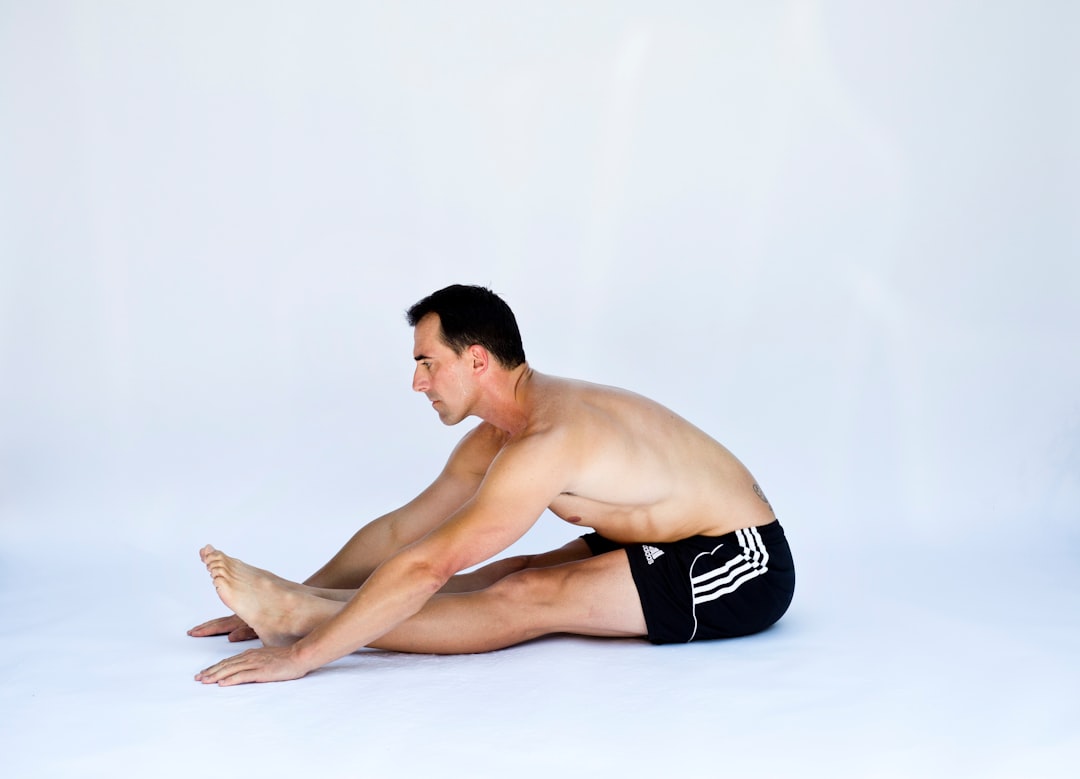
Incorporating stretching exercises into a routine can also be advantageous. Stretching helps maintain flexibility and reduces stiffness in muscles and joints, which can be particularly beneficial for those experiencing discomfort due to neuropathy. Establishing a consistent exercise regimen not only aids in symptom management but also contributes to improved mental health by reducing stress and anxiety levels.
Mind-body practices encompass a range of techniques designed to enhance the connection between mental and physical well-being. Practices such as meditation, yoga, and tai chi have gained recognition for their potential benefits in managing chronic conditions like neuropathy. These techniques focus on promoting relaxation, reducing stress, and improving overall quality of life.
Meditation encourages mindfulness and helps individuals develop coping strategies for dealing with pain or discomfort associated with neuropathy. Yoga combines physical movement with breath control and meditation, promoting flexibility and relaxation simultaneously. Tai chi offers gentle movements that enhance balance and coordination while fostering a sense of calmness.
Integrating these mind-body practices into daily routines can empower individuals to take an active role in managing their symptoms while enhancing their overall well-being. In conclusion, managing neuropathy requires a multifaceted approach that includes lifestyle changes, complementary therapies, dietary considerations, exercise, and mind-body practices. By understanding the condition and exploring various management strategies, individuals can work towards improving their quality of life while addressing the challenges posed by neuropathy.
Each person’s journey is unique; therefore, it is essential to find a combination of methods that resonate with individual needs and preferences for optimal results.

Dr. Mark Leeds, DO is an addiction medicine specialist in Fort Lauderdale, FL and has over 26 years of experience in the medical field. He graduated from Des Moines University College Of Osteopathic Medicine in 1996. He is affiliated with Florida Medical Center. His office accepts new patients.