


Empower Your Health And Well-Being With Better Health News and Information
Cervicogenic headaches are a specific type of headache that originates from issues in the cervical spine, which is the neck region of the spine. These headaches are often characterized by pain that starts in the neck and radiates to the head, typically affecting one side. The pain can vary in intensity and may be accompanied by other symptoms such as stiffness in the neck, reduced range of motion, and discomfort when moving the head.
Unlike tension-type headaches or migraines, cervicogenic headaches are directly linked to structural problems in the neck, making them distinct in their origin and treatment. The underlying causes of cervicogenic headaches can include degenerative disc disease, cervical spondylosis, or injuries such as whiplash. These conditions can lead to inflammation or irritation of the nerves in the cervical region, resulting in referred pain that manifests as a headache.
Understanding the mechanics of cervicogenic headaches is crucial for effective management and treatment. By recognizing that these headaches stem from neck-related issues, individuals can better address their symptoms and seek appropriate interventions.
Identifying triggers and risk factors for cervicogenic headaches is essential for effective management. Common triggers include poor posture, especially during prolonged periods of sitting or working at a computer. Individuals who spend long hours in front of screens may find that their neck muscles become tense and fatigued, leading to headaches.
Additionally, activities that involve repetitive neck movements or heavy lifting can exacerbate existing conditions in the cervical spine, increasing the likelihood of developing cervicogenic headaches. Other risk factors include age and previous neck injuries. As individuals age, the cervical spine undergoes natural wear and tear, making them more susceptible to conditions that can lead to cervicogenic headaches.
Furthermore, a history of trauma to the neck, such as from sports injuries or accidents, can predispose individuals to experience these types of headaches. Recognizing these triggers and risk factors allows individuals to take proactive steps in managing their neck health and reducing the frequency of headaches.
Treatment options for cervicogenic headaches often focus on addressing the underlying causes while alleviating symptoms. One common approach is physical therapy, which can help strengthen neck muscles and improve flexibility. A physical therapist may design a personalized exercise program that targets specific areas of weakness or tension in the neck.
This not only helps relieve pain but also promotes better posture and reduces the risk of future headaches. In addition to physical therapy, other treatment modalities may include chiropractic care and massage therapy. Chiropractors often use spinal manipulation techniques to realign the cervical spine, which can relieve pressure on nerves and reduce headache symptoms.
Massage therapy can also be beneficial by targeting tight muscles in the neck and shoulders, promoting relaxation and improved blood flow. Combining these treatments can provide a comprehensive approach to managing cervicogenic headaches effectively.
Making lifestyle changes can significantly impact the frequency and severity of cervicogenic headaches. One of the most effective strategies is to improve posture, especially for those who spend long hours sitting at desks or using electronic devices. Ergonomic adjustments to workspaces, such as using chairs with proper lumbar support and positioning screens at eye level, can help maintain a neutral spine position and reduce strain on the neck.
Incorporating regular breaks into daily routines is also essential. Taking short breaks to stretch or change positions can alleviate muscle tension and prevent the onset of headaches. Additionally, staying hydrated and maintaining a balanced diet can contribute to overall well-being, further reducing headache triggers.
By adopting these lifestyle changes, individuals can create a healthier environment for their neck and minimize the risk of developing cervicogenic headaches.
Physical therapy plays a crucial role in managing cervicogenic headaches by addressing both pain relief and functional improvement. A trained physical therapist will assess an individual’s specific condition and develop a tailored treatment plan that may include manual therapy techniques, therapeutic exercises, and education on proper body mechanics. These interventions aim to restore normal function in the cervical spine while alleviating pain.
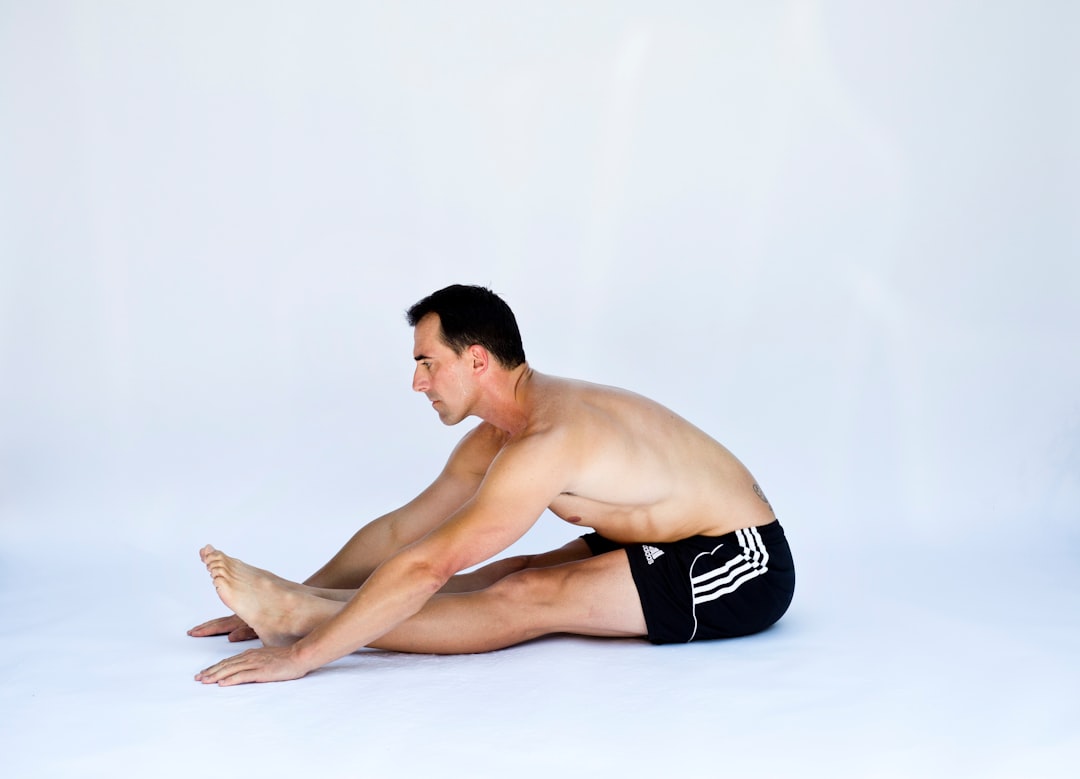
Exercise is a vital component of physical therapy for cervicogenic headaches. Strengthening exercises for the neck and upper back can enhance muscle support around the cervical spine, reducing strain on structures that may contribute to headache pain. Stretching exercises are equally important as they promote flexibility and help release tension in tight muscles.
Engaging in regular physical activity not only aids in headache management but also contributes to overall physical health.
While lifestyle changes and physical therapy are effective strategies for managing cervicogenic headaches, medications may also play a role in treatment. Over-the-counter pain relievers such as nonsteroidal anti-inflammatory drugs (NSAIDs) can provide temporary relief from headache pain by reducing inflammation in the affected areas. These medications are often used as a first-line approach for managing acute headache episodes.
In some cases, healthcare providers may prescribe stronger medications if over-the-counter options are insufficient. Muscle relaxants may be recommended to alleviate muscle tension in the neck, while other medications may target nerve pain specifically associated with cervicogenic headaches. It is important for individuals to follow their healthcare provider’s guidance regarding medication use to ensure safe and effective management of their symptoms.
Alternative therapies have gained popularity as complementary approaches to managing cervicogenic headaches. Acupuncture is one such therapy that involves inserting thin needles into specific points on the body to promote healing and relieve pain. Many individuals report positive outcomes from acupuncture treatments, finding relief from headache symptoms through this holistic approach.
Another alternative therapy is biofeedback, which teaches individuals how to control physiological functions such as muscle tension and heart rate through relaxation techniques. By becoming more aware of their body’s responses, individuals can learn to manage stressors that may trigger cervicogenic headaches. Other options include aromatherapy and herbal remedies, which some people find helpful in reducing headache frequency or intensity.
While these therapies may not work for everyone, they offer additional avenues for those seeking relief from cervicogenic headaches.
When cervicogenic headaches become frequent or debilitating, seeking professional help is essential for effective management. A healthcare provider can conduct a thorough evaluation to determine the underlying causes of the headaches and recommend appropriate treatment options tailored to individual needs. This may involve referrals to specialists such as physical therapists or chiropractors who have expertise in treating neck-related issues.
In addition to addressing immediate symptoms, healthcare professionals can provide guidance on long-term management strategies to prevent future occurrences of cervicogenic headaches. This comprehensive approach ensures that individuals receive not only relief from pain but also education on maintaining optimal neck health moving forward. By taking proactive steps and seeking professional assistance, individuals can significantly improve their quality of life while managing cervicogenic headaches effectively.

Dr. Mark Leeds, DO is an addiction medicine specialist in Fort Lauderdale, FL and has over 26 years of experience in the medical field. He graduated from Des Moines University College Of Osteopathic Medicine in 1996. He is affiliated with Florida Medical Center. His office accepts new patients.