

Empower Your Health And Well-Being With Better Health News and Information
The vagal response refers to the body’s physiological reaction mediated by the vagus nerve, which is one of the longest nerves in the body. This nerve plays a crucial role in the autonomic nervous system, influencing various bodily functions such as heart rate, digestion, and respiratory rate. When the vagus nerve is activated, it can lead to a state of calmness and relaxation, often referred to as the “rest and digest” state.
This response is essential for maintaining balance within the body, especially during times of stress or anxiety. Understanding the vagal response is vital for recognizing how our bodies react to different stimuli. When faced with stress, the body may enter a fight-or-flight mode, which can be counterproductive in the long run.
The vagal response acts as a counterbalance to this state, promoting relaxation and recovery. By fostering a healthy vagal response, individuals can enhance their overall well-being and resilience against stressors.
There are several techniques that individuals can employ to support and enhance their vagal response. One effective method is through controlled breathing exercises. By practicing deep, slow breaths, individuals can stimulate the vagus nerve, promoting a sense of calm and reducing feelings of anxiety.
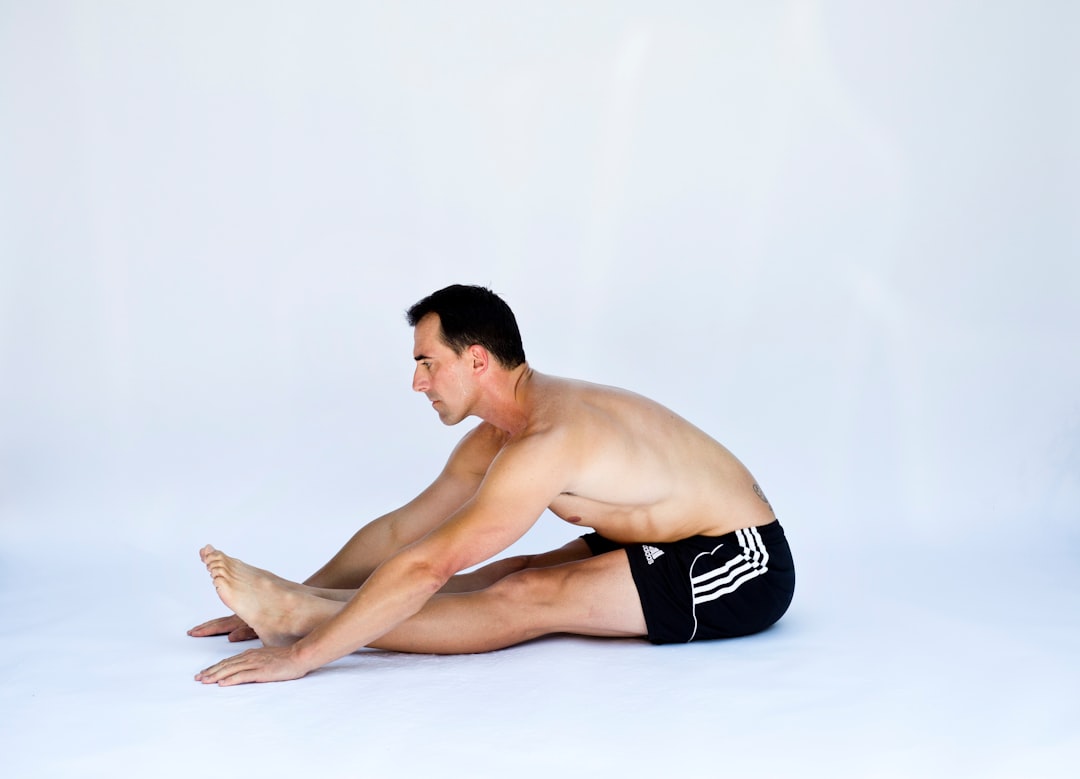
This technique can be easily integrated into daily routines, making it accessible for anyone seeking to improve their emotional regulation. Another technique involves engaging in mindfulness practices such as meditation or yoga. These activities encourage individuals to focus on the present moment, which can help reduce stress and activate the vagal response.
Mindfulness practices not only promote relaxation but also enhance self-awareness, allowing individuals to better understand their emotional states and reactions. Incorporating these techniques into daily life can lead to significant improvements in emotional health and overall well-being.
Supporting the vagal response is crucial for maintaining emotional and physical health. A well-functioning vagus nerve helps regulate stress levels, promotes digestion, and supports heart health. When the vagal response is strong, individuals are better equipped to handle stressors and recover from challenging situations.
This resilience is essential in today’s fast-paced world, where stress is often a constant presence. Moreover, a healthy vagal response contributes to improved mental clarity and emotional stability. Individuals with a strong vagal response tend to experience fewer mood swings and greater emotional regulation.
This stability not only enhances personal relationships but also improves performance in various aspects of life, including work and academic pursuits. Therefore, prioritizing the support of the vagal response can lead to a more balanced and fulfilling life.
Recognizing the signs of a healthy vagal response can help individuals assess their emotional and physical well-being. One key indicator is a stable heart rate variability (HRV). A higher HRV suggests that the body can effectively switch between sympathetic (fight-or-flight) and parasympathetic (rest-and-digest) states.
Individuals with a healthy vagal response often exhibit greater adaptability to stress, allowing them to recover more quickly from challenging situations. Another sign of a robust vagal response is improved digestion. The vagus nerve plays a significant role in regulating digestive processes, so individuals who experience regular digestion without discomfort may have a well-functioning vagal system.
Additionally, emotional resilience—such as the ability to remain calm under pressure or bounce back from setbacks—can also indicate a healthy vagal response. Recognizing these signs can empower individuals to take proactive steps in supporting their overall health.
A strong vagal response offers numerous benefits that extend beyond emotional regulation. One significant advantage is enhanced physical health. A well-functioning vagus nerve supports cardiovascular health by promoting lower heart rates and improved circulation.
This can lead to reduced risks of heart-related issues over time. Furthermore, a strong vagal response aids in digestion, ensuring that nutrients are absorbed efficiently and waste is eliminated effectively. In addition to physical benefits, a robust vagal response contributes to improved mental health.
Individuals with strong vagal tone often report lower levels of anxiety and depression. This connection between the vagus nerve and mental well-being highlights the importance of nurturing this aspect of health. By fostering a strong vagal response, individuals can experience greater emotional stability, leading to enhanced quality of life and overall satisfaction.
Making specific lifestyle changes can significantly enhance the function of the vagus nerve. One effective change is incorporating regular physical activity into daily routines. Exercise has been shown to stimulate the vagus nerve, promoting better heart health and emotional regulation.
Engaging in activities such as walking, swimming, or dancing not only supports physical fitness but also encourages a healthy vagal response. Another important lifestyle change involves prioritizing sleep hygiene. Quality sleep is essential for overall health and plays a critical role in supporting the vagus nerve’s function.
Establishing a consistent sleep schedule, creating a calming bedtime routine, and minimizing screen time before bed can all contribute to better sleep quality. By focusing on these lifestyle changes, individuals can create an environment that nurtures their vagal response and promotes overall well-being.
Incorporating specific exercises and practices into daily routines can effectively strengthen the vagal response. One popular practice is diaphragmatic breathing, which involves breathing deeply from the diaphragm rather than shallowly from the chest. This technique not only calms the nervous system but also stimulates the vagus nerve directly.
Practicing diaphragmatic breathing for just a few minutes each day can yield significant benefits for emotional regulation. Another effective practice is engaging in cold exposure activities, such as taking cold showers or immersing oneself in cold water. Cold exposure has been shown to activate the vagus nerve, promoting resilience against stress and enhancing overall well-being.
Additionally, singing or chanting can also stimulate the vagus nerve due to its connection with vocal cord function. Incorporating these exercises into daily life can help individuals cultivate a stronger vagal response over time.
While many techniques for supporting the vagal response can be practiced independently, seeking professional help may be beneficial for some individuals. Mental health professionals or therapists trained in somatic practices can provide valuable guidance on how to enhance the vagal response effectively. They may offer tailored strategies that address individual needs and challenges.
Additionally, practitioners specializing in holistic health may provide insights into nutrition and lifestyle changes that support the vagus nerve’s function. By working with professionals who understand the complexities of the autonomic nervous system, individuals can gain deeper insights into their health and well-being. This collaborative approach can lead to more effective strategies for nurturing a healthy vagal response and achieving overall balance in life.
In conclusion, understanding and supporting the vagal response is essential for maintaining emotional and physical health. By employing various techniques, recognizing signs of a healthy response, and making lifestyle changes, individuals can enhance their overall well-being. Whether through exercises that strengthen this vital nerve or seeking professional guidance, nurturing the vagal response offers numerous benefits that contribute to a balanced and fulfilling life.

Dr. Mark Leeds, DO is an addiction medicine specialist in Fort Lauderdale, FL and has over 26 years of experience in the medical field. He graduated from Des Moines University College Of Osteopathic Medicine in 1996. He is affiliated with Florida Medical Center. His office accepts new patients.