




Biotoxin illness refers to a complex set of health issues that arise from exposure to harmful biological toxins. These toxins can originate from various sources, including mold, bacteria, and certain marine organisms. When individuals are exposed to these biotoxins, their bodies may struggle to eliminate them, leading to a cascade of symptoms that can affect multiple systems within the body.
This condition is often characterized by a range of physical and cognitive impairments, which can significantly impact an individual’s overall well-being. The mechanisms behind biotoxin illness are still being studied, but it is understood that the body’s immune response plays a crucial role. When exposed to biotoxins, the immune system may become overactive or misdirected, resulting in inflammation and other adverse reactions.
This can lead to chronic health issues that persist long after the initial exposure has ended. Understanding biotoxin illness is essential for both patients and healthcare providers, as it can help guide effective treatment and management strategies.
The symptoms of biotoxin illness can vary widely among individuals, making diagnosis a challenging endeavor. Common physical symptoms include fatigue, muscle pain, joint pain, headaches, and gastrointestinal disturbances. Cognitive symptoms may also manifest, such as difficulty concentrating, memory problems, and mood swings.
These symptoms can be debilitating and often overlap with other medical conditions, complicating the diagnostic process. To diagnose biotoxin illness, healthcare providers typically conduct a thorough medical history and physical examination. They may also utilize specific laboratory tests to identify the presence of biotoxins or assess the body’s response to them.
However, because there is no single definitive test for biotoxin illness, it is crucial for patients to communicate their symptoms clearly and advocate for their health. A comprehensive approach that considers both physical and cognitive symptoms is essential for accurate diagnosis and effective treatment.

Emerging research has highlighted a significant connection between biotoxin illness and mental health challenges. The chronic inflammation and immune dysregulation associated with biotoxin exposure can have profound effects on brain function and emotional well-being. Individuals suffering from biotoxin illness may experience heightened anxiety, depression, and other mood disorders as a result of their physical health struggles.
Moreover, the stress of living with a chronic illness can exacerbate mental health issues. The uncertainty surrounding diagnosis and treatment can lead to feelings of isolation and frustration. Understanding this link is vital for healthcare providers, as addressing both the physical and mental health aspects of biotoxin illness can lead to more comprehensive care and improved outcomes for patients.
Individuals dealing with biotoxin illness often report a range of mental health symptoms that can significantly impact their daily lives. Anxiety is one of the most commonly reported issues, with many individuals feeling overwhelmed by their health challenges and uncertain about their future. This anxiety can manifest in various ways, including panic attacks, obsessive thoughts about health, and heightened sensitivity to stressors.
Depression is another prevalent mental health concern among those affected by biotoxin illness. The persistent physical symptoms and limitations imposed by the condition can lead to feelings of hopelessness and despair. Additionally, cognitive difficulties such as “brain fog” can further contribute to a sense of frustration and isolation.
Recognizing these mental health symptoms is crucial for developing effective treatment plans that address the whole person rather than just the physical aspects of the illness.
The effects of biotoxin illness extend far beyond physical symptoms; they can profoundly impact an individual’s daily functioning and overall quality of life. Many individuals find it challenging to maintain their usual routines due to fatigue, pain, and cognitive difficulties. Simple tasks such as going to work, engaging in social activities, or even managing household responsibilities can become overwhelming.
This disruption in daily life can lead to significant emotional distress. Individuals may feel a loss of identity or purpose as they struggle to adapt to their new reality. Relationships with family and friends may also suffer as loved ones may not fully understand the complexities of the illness.
As a result, individuals with biotoxin illness often find themselves navigating not only their physical health challenges but also the emotional toll that comes with them.
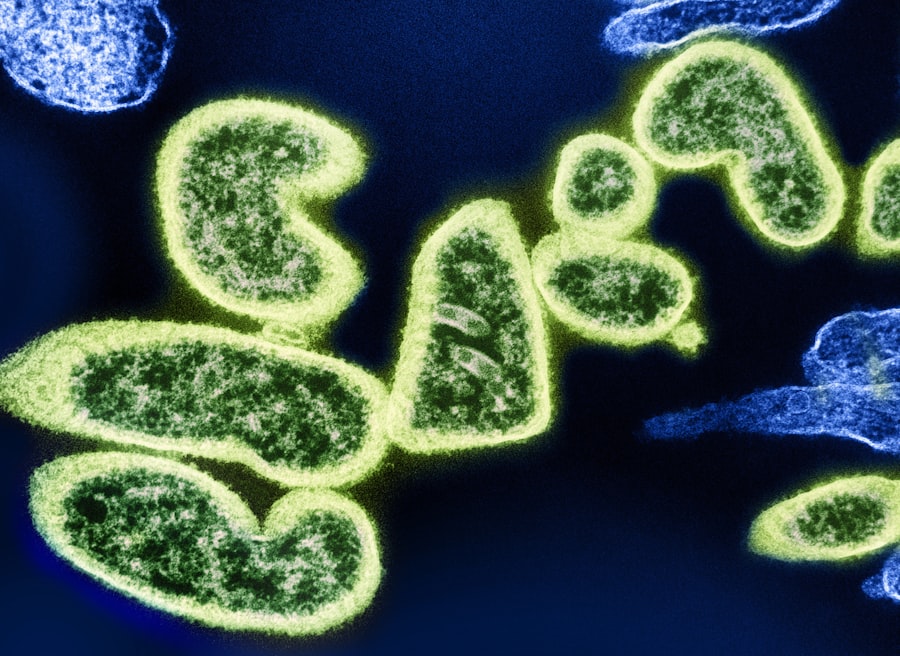
Addressing biotoxin illness requires a multifaceted approach that encompasses both physical and mental health treatment options. For the physical aspects, treatment may involve detoxification protocols aimed at removing biotoxins from the body. This could include dietary changes, supplements, or medications designed to support the body’s natural detoxification processes.
In parallel, mental health support is equally important. Therapy options such as cognitive-behavioral therapy (CBT) can help individuals develop coping strategies for managing anxiety and depression related to their condition. Mindfulness practices and stress-reduction techniques may also be beneficial in promoting emotional well-being.
A collaborative approach that integrates both medical and psychological care can lead to more effective management of biotoxin illness.
Coping with biotoxin illness and its associated mental health challenges requires resilience and proactive strategies. One effective approach is establishing a strong support network that includes healthcare providers, family members, and friends who understand the complexities of the condition. Open communication about one’s experiences can foster understanding and reduce feelings of isolation.
Additionally, self-care practices play a crucial role in managing both physical and mental health symptoms. Engaging in regular physical activity tailored to individual capabilities can help improve mood and energy levels. Mindfulness techniques such as meditation or yoga can also promote relaxation and reduce anxiety.
By prioritizing self-care and seeking support, individuals can enhance their ability to cope with the challenges posed by biotoxin illness.
Navigating the complexities of biotoxin illness requires not only personal resilience but also advocacy for one’s health needs. Seeking support from healthcare professionals who are knowledgeable about biotoxin-related conditions is essential for receiving appropriate care. Patients should feel empowered to ask questions, express concerns, and advocate for themselves throughout their treatment journey.
Moreover, connecting with support groups or online communities can provide valuable resources and encouragement from others who share similar experiences. These platforms offer opportunities for individuals to share coping strategies, exchange information about treatment options, and foster a sense of belonging. By actively seeking support and advocating for their needs, individuals with biotoxin illness can take significant steps toward improving their overall quality of life while addressing both their physical and mental health challenges.
