




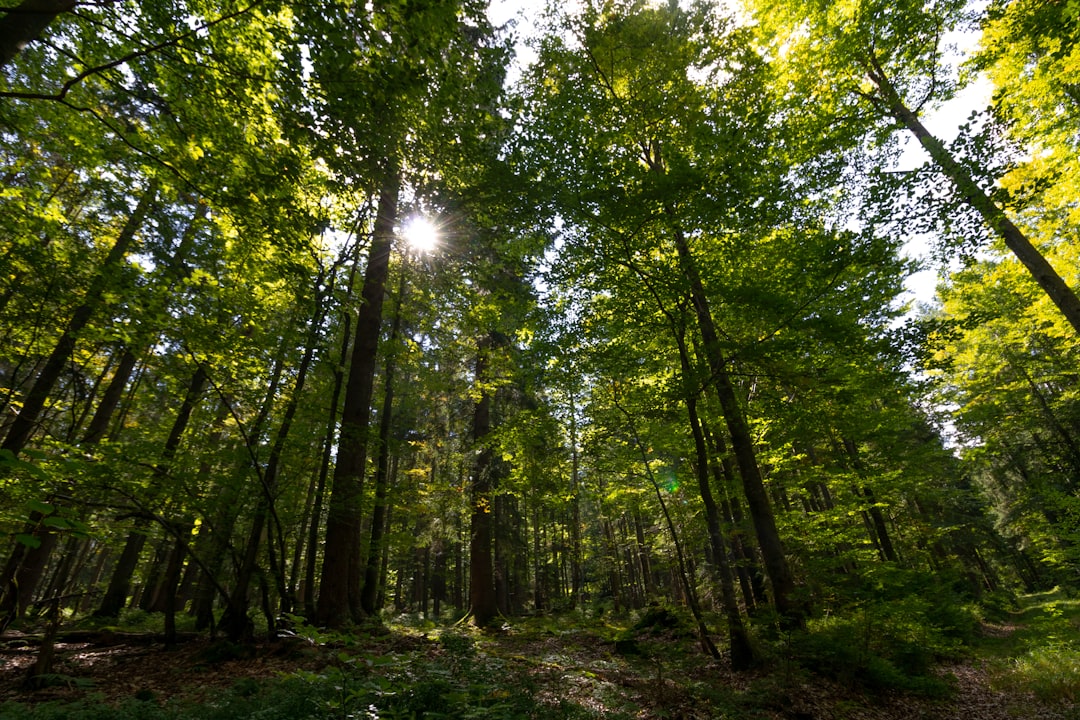
Forest bathing, or “Shinrin-yoku” as it is known in Japan, is a practice that encourages individuals to immerse themselves in nature, engaging all their senses to experience the environment fully. This concept goes beyond merely taking a walk in the woods; it involves a mindful approach to being present in a natural setting. Participants are encouraged to slow down, breathe deeply, and connect with the sights, sounds, and smells of the forest.
The essence of forest bathing lies in its ability to foster a deep connection with nature, promoting relaxation and well-being. The practice is not about hiking or exercising; rather, it emphasizes the importance of being still and absorbing the tranquility of the natural world. By allowing oneself to be enveloped by the sights and sounds of the forest, individuals can cultivate a sense of peace and rejuvenation.
This mindful engagement with nature can lead to profound emotional and psychological benefits, making forest bathing a valuable tool for enhancing overall mental health.
The origins of forest bathing can be traced back to Japan in the early 1980s when the government recognized the need for a holistic approach to health and wellness. Amidst rapid urbanization and technological advancement, there was a growing concern about the impact of modern life on mental and physical health. In response, Shinrin-yoku was introduced as a way to encourage people to reconnect with nature and promote well-being.
The practice quickly gained popularity, leading to the establishment of forest therapy programs across the country. While forest bathing is often associated with Japanese culture, similar practices have existed in various forms throughout history in different cultures around the world. Indigenous peoples have long understood the healing power of nature, incorporating it into their spiritual and medicinal practices.
The modern resurgence of interest in forest bathing reflects a broader recognition of the importance of nature in our lives, particularly in an age where urban living often disconnects us from the natural world.

Research has begun to uncover the physiological and psychological mechanisms that make forest bathing beneficial. One key aspect is the presence of phytoncides—natural compounds released by trees and plants that have been shown to enhance immune function. When individuals spend time in forests, they inhale these compounds, which can lead to increased levels of natural killer cells in the body, bolstering the immune system’s ability to fight off illness.
Additionally, studies have indicated that spending time in nature can lower levels of cortisol, a hormone associated with stress. The calming effect of natural environments can lead to reduced anxiety and improved mood. The sights and sounds of the forest—such as rustling leaves, chirping birds, and flowing water—can stimulate relaxation responses in the brain, further contributing to a sense of well-being.
This scientific understanding reinforces the idea that immersing oneself in nature is not just a pleasant experience but one that can have tangible health benefits.
The mental health benefits of forest bathing are extensive and well-documented. Many individuals report feeling a sense of calm and clarity after spending time in nature. This practice can serve as a powerful antidote to the stressors of daily life, providing an opportunity for individuals to step away from their responsibilities and reconnect with themselves.
The act of being present in a natural setting encourages mindfulness, which has been shown to reduce symptoms of anxiety and depression. Moreover, forest bathing can enhance creativity and cognitive function. The serene environment allows for mental clarity, enabling individuals to think more freely and creatively.
Many people find that their best ideas come to them while they are immersed in nature, away from distractions. This connection between nature and creativity highlights the importance of incorporating outdoor experiences into our lives for both mental health and personal growth.
Practicing forest bathing is accessible to everyone and does not require any special training or equipment. To begin, find a nearby forest or natural area where you feel comfortable spending time. Once you arrive, take a moment to pause and breathe deeply, allowing yourself to transition from your busy day-to-day life into a more relaxed state.
It’s essential to leave behind distractions such as phones or other electronic devices so you can fully engage with your surroundings. As you walk through the forest, take your time to observe your environment. Notice the colors of the leaves, the texture of the bark on trees, and the sounds of wildlife around you.
Engage your senses by touching plants or listening closely to the rustling leaves or flowing water. Allow yourself to be fully present in this moment without rushing or focusing on any particular destination. The goal is not to cover distance but rather to immerse yourself in the experience of being surrounded by nature.

Forest bathing has gained recognition as a therapeutic practice that can complement traditional forms of therapy for mental health issues. Nature therapy programs are increasingly being integrated into treatment plans for individuals dealing with anxiety, depression, or stress-related disorders. The calming effects of nature can enhance therapeutic outcomes by providing patients with a safe space to explore their feelings while benefiting from the restorative qualities of the environment.
Therapists may guide clients through structured forest bathing sessions, encouraging them to reflect on their emotions and experiences while immersed in nature. This combination of talk therapy and nature immersion can create a powerful healing experience, allowing individuals to process their thoughts in a supportive environment. As more mental health professionals recognize the value of nature in therapy, forest bathing is becoming an essential component of holistic treatment approaches.
Numerous studies have explored the effects of forest bathing on physical and mental health outcomes. Research conducted in Japan has shown that participants who engaged in forest bathing reported lower levels of stress and improved mood compared to those who spent time in urban environments. Other studies have indicated that regular exposure to natural settings can lead to long-term improvements in mental health, including reduced symptoms of anxiety and depression.
In addition to psychological benefits, research has also highlighted physiological changes associated with forest bathing. For instance, studies have demonstrated that spending time in nature can lower blood pressure and heart rate while improving overall cardiovascular health. These findings underscore the importance of integrating nature into our lives for both mental and physical well-being.
Incorporating forest bathing into your mental health routine can be a transformative experience that enhances your overall well-being. Start by setting aside dedicated time each week for outdoor exploration—whether it’s a short visit to a local park or a longer excursion into a nearby forest. Consistency is key; making this practice a regular part of your life can amplify its benefits over time.
Consider inviting friends or family members to join you on your forest bathing adventures. Sharing these experiences can deepen connections with loved ones while promoting collective well-being. Additionally, keep a journal to document your feelings and observations during each session; this reflective practice can help you track your progress and deepen your understanding of how nature impacts your mental health.
In conclusion, forest bathing offers an accessible and enriching way to enhance mental health through connection with nature. By embracing this practice, individuals can cultivate mindfulness, reduce stress, and foster emotional resilience—all essential components for navigating today’s fast-paced world. Whether practiced alone or as part of a therapeutic approach, forest bathing invites us to slow down, breathe deeply, and reconnect with ourselves amidst the beauty of the natural world.
