


Empower Your Health And Well-Being With Better Health News and Information
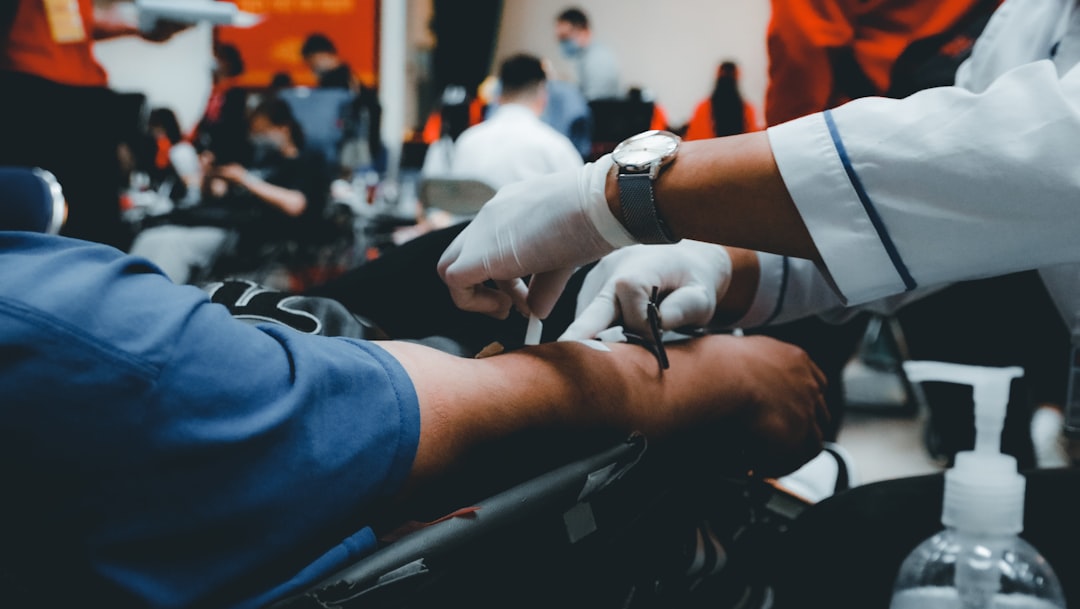
Blood donation is a vital medical procedure that involves voluntarily giving a portion of one’s blood to be used for transfusions in patients with various medical needs. Typically, a single donation consists of approximately one pint (470 ml) of blood. This donated blood can be crucial for individuals undergoing surgery, recovering from trauma, receiving cancer treatment, or managing chronic blood disorders.
The process of donating blood is generally safe, quick, and causes minimal discomfort to the donor. It plays a critical role in both emergency and routine medical care, helping to save countless lives each year. Blood donations are essential for maintaining adequate supplies in hospitals and medical facilities.
Donated blood serves multiple purposes in healthcare. It can be used to treat patients with anemia, support those undergoing chemotherapy, aid in the management of blood disorders, and provide life-saving transfusions during emergencies. By donating blood, individuals contribute directly to the health and well-being of others in their community.
Regular blood donation is necessary to maintain a stable blood supply, as blood products have a limited shelf life. Different blood types are needed to meet the diverse needs of patients, making ongoing donations from a wide range of donors crucial. Blood donation centers and mobile blood drives are common ways for eligible individuals to contribute to this important aspect of healthcare.
One of the most significant benefits of donating blood is the reduction of iron levels in the body. High levels of iron can lead to an increased risk of heart disease, so donating blood can help lower these levels and reduce the risk of cardiovascular problems.
Donating blood can help maintain healthy iron levels in the body, which is essential for overall well-being. Furthermore, donating blood can also help stimulate the production of new blood cells. This can lead to improved blood flow and circulation, which is essential for maintaining good health.
Improved blood flow can also help reduce the risk of developing conditions such as heart disease and stroke. By donating blood, you are not only helping others in need but also improving your own cardiovascular health.
In addition to the physical health benefits, donating blood can also have positive effects on mental well-being. Many donors report feeling a sense of fulfillment and satisfaction after donating blood. Knowing that you have made a difference in someone else’s life can be incredibly rewarding and can boost your mood and overall mental health.
Furthermore, donating blood can also help reduce stress and anxiety. The act of giving back to others and contributing to the well-being of society can provide a sense of purpose and meaning, which can have a positive impact on mental well-being. Additionally, the act of donating blood can also help promote a sense of community and connection with others, which can further contribute to improved mental health.
Donating blood can have a significant impact on blood circulation and heart health. When you donate blood, your body works to replenish the lost blood by producing new blood cells. This process can help improve blood flow and circulation throughout the body, which is essential for maintaining good cardiovascular health.
Improved blood circulation can help reduce the risk of developing conditions such as high blood pressure, heart disease, and stroke. By donating blood, you are not only helping others in need but also taking proactive steps to support your own heart health. Regular blood donation can help maintain healthy blood flow and circulation, which is essential for overall well-being.
There is evidence to suggest that regular blood donation may be associated with a reduced risk of certain types of cancer. High iron levels in the body have been linked to an increased risk of cancer, particularly liver and colon cancer. By donating blood, you can help lower your iron levels, which may in turn reduce your risk of developing these types of cancer.
Additionally, regular blood donation can also help stimulate the production of new blood cells, which is essential for maintaining good health. This process can help support overall immune function and may contribute to a reduced risk of developing certain types of cancer. By donating blood, you are not only helping others in need but also taking proactive steps to support your own health and well-being.
In addition to the physical and mental health benefits, donating blood can also have positive social and emotional effects. The act of giving back to others and contributing to the well-being of society can provide a sense of purpose and meaning, which can have a positive impact on overall well-being. Knowing that you have made a difference in someone else’s life can be incredibly rewarding and can boost your mood and overall mental health.
Furthermore, donating blood can also help promote a sense of community and connection with others. Many donors report feeling a sense of fulfillment and satisfaction after donating blood. The act of giving back to others and contributing to the well-being of society can provide a sense of purpose and meaning, which can have a positive impact on mental well-being.
In conclusion, donating blood is a selfless act that has the power to save lives and improve the health of both the donor and the recipient. It is a simple yet powerful way to give back to your community and support those who are facing health challenges. The physical health benefits of donating blood include the reduction of iron levels in the body, improved blood circulation, and potential reduction in the risk of cancer.
Furthermore, donating blood can also have positive effects on mental well-being by promoting a sense of fulfillment, reducing stress and anxiety, and fostering a sense of community and connection with others. It is important to recognize the significant impact that blood donation can have on both individual and community health. I encourage everyone who is able to donate blood to consider doing so as it is a meaningful way to make a difference in the lives of others while also supporting your own health and well-being.
By donating blood, you are providing a lifeline to those who are in critical need of transfusions and contributing to the greater good of society.

Dr. Mark Leeds, DO is an addiction medicine specialist in Fort Lauderdale, FL and has over 26 years of experience in the medical field. He graduated from Des Moines University College Of Osteopathic Medicine in 1996. He is affiliated with Florida Medical Center. His office accepts new patients.

