


Empower Your Health And Well-Being With Better Health News and Information
Polyphenols are a diverse group of naturally occurring compounds found in plants, with over 8,000 different types identified. These compounds are classified into subgroups such as flavonoids, phenolic acids, and polyphenolic amides. Polyphenols are known for their antioxidant properties, which help protect the body from damage caused by free radicals.
They are present in various foods, including fruits, vegetables, tea, coffee, and red wine. Research has indicated that polyphenols may offer a range of health benefits, including improved cognitive function, reduced risk of chronic diseases, and increased longevity. In recent years, there has been growing interest in the potential role of polyphenols in promoting brain health and cognitive function.
Studies have suggested that these compounds may have neuroprotective effects, potentially helping to protect the brain from damage and degeneration. The potential of polyphenols to support cognitive health and possibly reduce the risk of age-related cognitive decline has led to increased scientific interest. While further research is needed to fully elucidate the mechanisms of action and potential benefits of polyphenols, current evidence suggests that these compounds may play a significant role in supporting overall brain health.
However, it is important to note that more studies are required to establish definitive conclusions about the effects of polyphenols on cognitive function and brain health.
One way in which polyphenols may support cognitive function is through their antioxidant properties. Oxidative stress, which occurs when there is an imbalance between free radicals and antioxidants in the body, has been linked to cognitive decline and neurodegenerative diseases such as Alzheimer’s and Parkinson’s. Polyphenols have been shown to help reduce oxidative stress and protect the brain from damage caused by free radicals, which may help support cognitive function and reduce the risk of age-related cognitive decline.
In addition to their antioxidant properties, polyphenols may also have anti-inflammatory effects, which could further contribute to their potential impact on cognitive health. Chronic inflammation has been linked to a range of health issues, including cognitive decline, and polyphenols have been shown to help reduce inflammation in the body. By reducing inflammation in the brain, polyphenols may help support overall cognitive function and potentially reduce the risk of neurodegenerative diseases.
Furthermore, some studies have suggested that polyphenols may also have direct effects on neurotransmitter systems in the brain, which could further contribute to their potential impact on cognitive health. Overall, the existing evidence suggests that polyphenols may play a valuable role in supporting brain health and cognitive function.
Research has suggested that polyphenols may also play a role in promoting longevity and overall healthspan. Longevity refers to the length of time that an individual lives, while healthspan refers to the length of time that an individual lives in good health. Studies have shown that polyphenols may have anti-aging effects, which could potentially contribute to their impact on longevity and healthspan.
One way in which polyphenols may support longevity is through their ability to reduce the risk of chronic diseases such as heart disease, cancer, and neurodegenerative diseases. By reducing the risk of these diseases, polyphenols may help individuals live longer, healthier lives. In addition to reducing the risk of chronic diseases, polyphenols may also have direct effects on the aging process itself.
Research has suggested that polyphenols may help protect against age-related cellular damage and promote cellular repair mechanisms, which could potentially contribute to their anti-aging effects. Furthermore, some studies have suggested that polyphenols may also have effects on gene expression and cellular signaling pathways that are involved in the aging process. While more research is needed to fully understand the mechanisms of action and potential impact of polyphenols on longevity, the existing evidence suggests that these compounds may play a valuable role in promoting overall healthspan and potentially extending lifespan.
Polyphenols are found in a wide variety of foods, making it relatively easy to incorporate these compounds into a healthy diet. Fruits and vegetables are particularly rich sources of polyphenols, with berries, apples, citrus fruits, onions, and spinach being particularly high in these compounds. Other sources of polyphenols include tea, coffee, red wine, cocoa, nuts, seeds, whole grains, and legumes.
The specific types and amounts of polyphenols can vary widely between different foods, so consuming a diverse range of plant-based foods is important for maximizing polyphenol intake. In addition to whole foods, certain beverages such as tea and coffee are also rich sources of polyphenols. Green tea, in particular, is known for its high polyphenol content, particularly a type of flavonoid called catechins.
Coffee also contains a variety of polyphenols, including chlorogenic acids and flavonoids. Red wine is another beverage that is rich in polyphenols, particularly a subgroup called resveratrol. While it’s important to consume these beverages in moderation due to their caffeine or alcohol content, they can still be valuable sources of polyphenols when consumed as part of a balanced diet.
The potential mechanisms of action of polyphenols in the brain are complex and multifaceted. One way in which polyphenols may exert their effects on the brain is through their antioxidant properties. As mentioned previously, oxidative stress has been linked to cognitive decline and neurodegenerative diseases, and polyphenols have been shown to help reduce oxidative stress in the brain.
By neutralizing free radicals and reducing oxidative damage, polyphenols may help protect the brain from age-related degeneration and support overall cognitive function. In addition to their antioxidant properties, polyphenols may also have direct effects on cellular signaling pathways and gene expression in the brain. Some studies have suggested that polyphenols can modulate various signaling pathways involved in neuronal survival and plasticity, which could potentially contribute to their neuroprotective effects.
Furthermore, polyphenols have been shown to have anti-inflammatory effects in the brain, which could help reduce neuroinflammation and support overall brain health. Overall, the potential mechanisms of action of polyphenols in the brain are diverse and interconnected, and further research is needed to fully understand how these compounds exert their effects on cognitive function.
Age-related cognitive decline is a natural part of the aging process, but research has suggested that polyphenols may help support cognitive function as individuals age. Studies have shown that regular consumption of polyphenol-rich foods such as fruits, vegetables, tea, and red wine is associated with better cognitive function in older adults. Furthermore, some research has suggested that higher intake of specific types of polyphenols such as flavonoids is associated with a reduced risk of cognitive decline and neurodegenerative diseases.
One way in which polyphenols may help support cognitive function as individuals age is through their ability to protect against age-related oxidative stress and inflammation in the brain. By reducing these processes, polyphenols may help slow down age-related degeneration and support overall brain health. Furthermore, some studies have suggested that polyphenols may also have direct effects on neuronal signaling pathways and neurotransmitter systems in the brain, which could further contribute to their potential impact on age-related cognitive decline.
While more research is needed to fully understand the relationship between polyphenols and age-related cognitive decline, the existing evidence suggests that these compounds may play a valuable role in supporting cognitive function as individuals age.
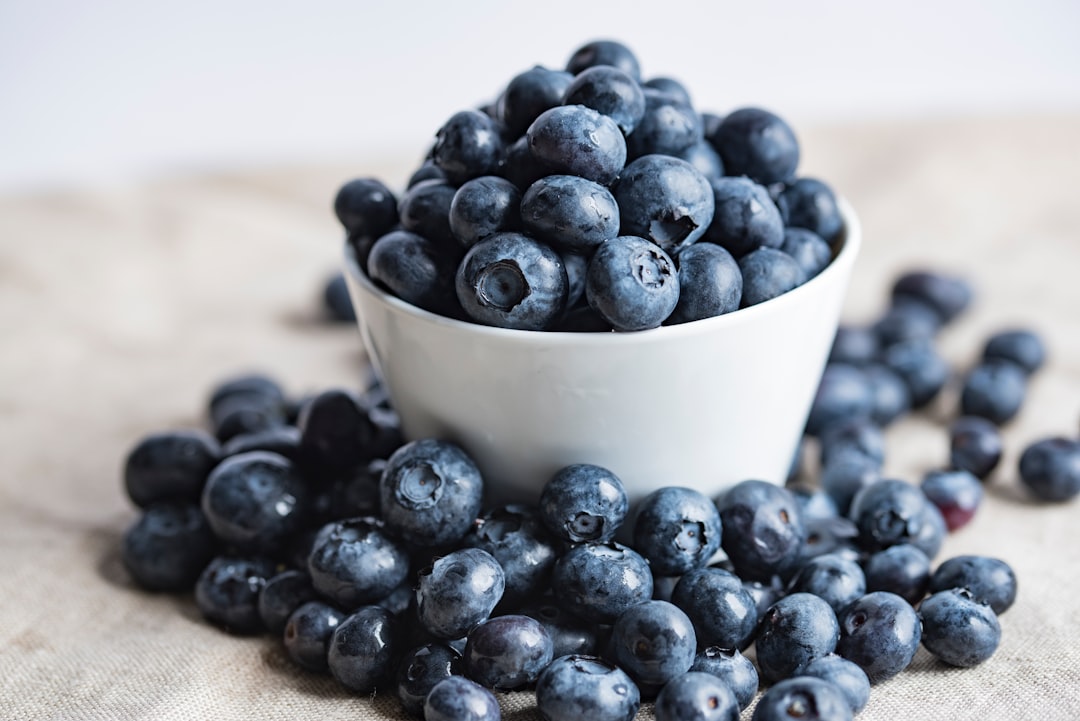
Incorporating polyphenols into a healthy lifestyle can be relatively easy with some simple dietary changes. Consuming a diverse range of fruits and vegetables is an excellent way to increase polyphenol intake, as these foods are rich sources of these compounds. Berries such as blueberries, strawberries, and raspberries are particularly high in polyphenols and can be easily added to breakfast cereals, yogurt, or smoothies for a quick and nutritious boost.
Other high-polyphenol fruits include apples, cherries, plums, and citrus fruits such as oranges and grapefruits. In addition to fruits and vegetables, incorporating tea into your daily routine is another great way to increase polyphenol intake. Green tea is particularly high in polyphenols such as catechins, which have been studied for their potential health benefits.
Drinking a few cups of green tea throughout the day can provide a significant amount of polyphenols while also offering hydration and a mild caffeine boost. Coffee is another beverage that can contribute to polyphenol intake when consumed in moderation. Choosing whole grains over refined grains and incorporating nuts, seeds, and legumes into your meals can also help increase polyphenol intake as these foods are generally rich sources of these compounds.
In conclusion, polyphenols are a diverse group of compounds found in plant-based foods that have been studied for their potential impact on cognitive health and longevity. These compounds have antioxidant and anti-inflammatory properties that may help protect the brain from age-related degeneration and support overall cognitive function. Incorporating a variety of fruits, vegetables, tea, coffee, red wine, nuts, seeds, whole grains, and legumes into your diet can help increase polyphenol intake and support overall health.
While more research is needed to fully understand the mechanisms of action and potential benefits of polyphenols, the existing evidence suggests that these compounds may play a valuable role in promoting brain health and potentially extending lifespan.
If you’re interested in learning more about healthy aging and longevity, you may want to check out this article on healthy aging tips for longevity. It provides valuable information on how to maintain cognitive health and overall well-being as you age, which complements the discussion on the role of polyphenols in cognitive health and longevity.

Dr. Mark Leeds, DO is an addiction medicine specialist in Fort Lauderdale, FL and has over 26 years of experience in the medical field. He graduated from Des Moines University College Of Osteopathic Medicine in 1996. He is affiliated with Florida Medical Center. His office accepts new patients.

