


Empower Your Health And Well-Being With Better Health News and Information
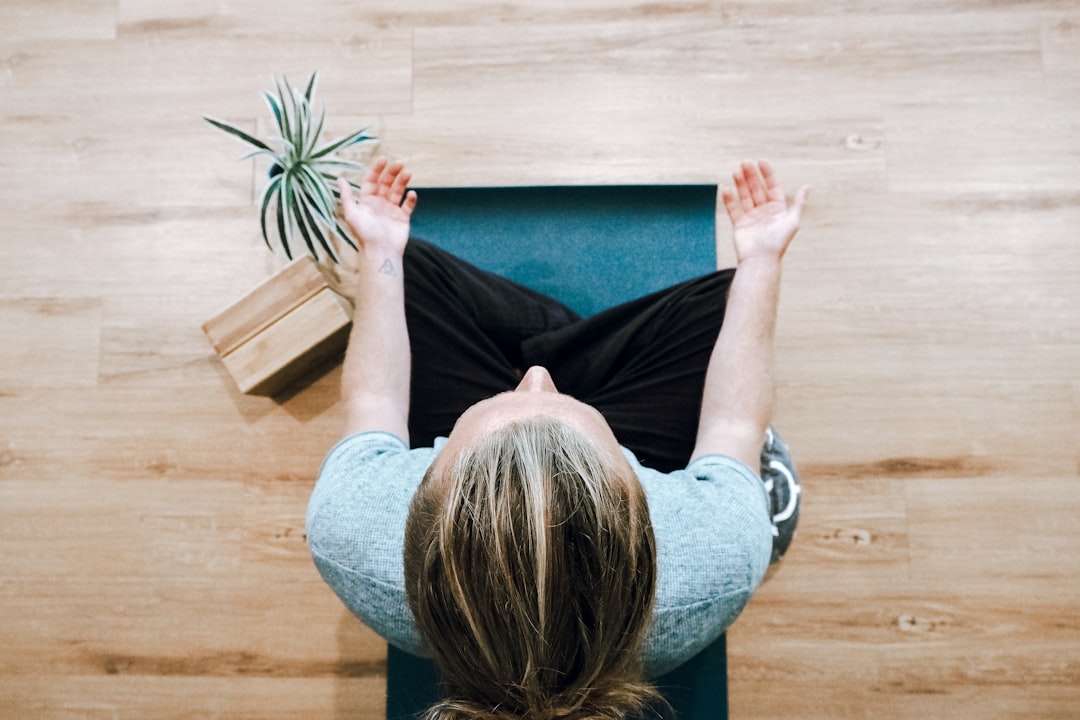
Mental well-being refers to a state of emotional and psychological well-being, where an individual is able to cope with the normal stresses of life, work productively, and contribute to their community. It encompasses a person’s ability to manage their emotions, thoughts, and behaviors in a healthy and positive way. Mental well-being is just as important as physical health, as it affects every aspect of our lives, including our relationships, work performance, and overall quality of life.
The mind-body connection is a powerful relationship between our mental and physical health. Our mental health can have a significant impact on our physical health, and vice versa. When we experience mental health issues such as stress, anxiety, or depression, it can manifest in physical symptoms such as headaches, stomachaches, or fatigue. On the other hand, physical health problems like chronic pain or illness can also take a toll on our mental well-being.
Self-care refers to the practice of taking care of oneself physically, emotionally, mentally, and spiritually. It involves engaging in activities that promote relaxation, rejuvenation, and overall well-being. Self-care is crucial for maintaining good mental health because it allows us to recharge and replenish our energy levels. It helps us manage stress, reduce anxiety, and prevent burnout. Examples of self-care activities include taking a bath, going for a walk in nature, practicing yoga or meditation, reading a book, or spending time with loved ones.
Stress and anxiety are common experiences that can have a significant impact on our mental health. Stress is the body’s response to a perceived threat or demand, while anxiety is a feeling of unease or worry about future events. When left unmanaged, chronic stress and anxiety can lead to mental health disorders such as depression or panic disorder. Techniques for managing stress and anxiety include deep breathing exercises, progressive muscle relaxation, journaling, engaging in physical activity, and seeking support from a therapist or counselor.
Resilience refers to the ability to bounce back from adversity and adapt to change. It is an important trait for maintaining good mental health because it helps us navigate through life’s challenges and setbacks. Building resilience involves developing coping skills that allow us to effectively manage stress, regulate our emotions, and maintain a positive outlook. Techniques for building resilience and coping skills include practicing gratitude, reframing negative thoughts, setting realistic goals, seeking social support, and engaging in activities that bring joy and fulfillment.
Sleep plays a crucial role in our mental health. It is during sleep that our bodies repair and rejuvenate themselves, and our brains process and consolidate information from the day. Lack of sleep can lead to increased stress, anxiety, and mood disturbances. Strategies for improving sleep and rest include establishing a regular sleep schedule, creating a relaxing bedtime routine, avoiding stimulants such as caffeine or electronics before bed, creating a comfortable sleep environment, and practicing relaxation techniques such as deep breathing or meditation.
Nutrition plays a significant role in our mental health. The foods we eat can impact our mood, energy levels, and overall well-being. A diet rich in fruits, vegetables, whole grains, lean proteins, and healthy fats provides the nutrients necessary for optimal brain function. On the other hand, a diet high in processed foods, sugar, and unhealthy fats can contribute to inflammation in the body and negatively affect our mental health. Foods that promote mental well-being include fatty fish rich in omega-3 fatty acids, leafy greens rich in folate, nuts and seeds rich in magnesium, and fermented foods rich in probiotics.
Mindfulness and meditation are practices that involve bringing one’s attention to the present moment without judgment. They have been shown to have numerous benefits for mental well-being, including reducing stress, anxiety, and depression, improving focus and concentration, and increasing feelings of calm and relaxation. Techniques for practicing mindfulness and meditation include deep breathing exercises, body scans, guided imagery, and mindful eating.
Positive relationships and social support are essential for good mental health. Having a strong support system of friends, family, or community can provide a sense of belonging, connection, and emotional support. It can also help reduce feelings of loneliness, stress, and anxiety. Strategies for building positive relationships and social support include reaching out to loved ones regularly, joining clubs or organizations with similar interests, volunteering in the community, or seeking therapy or support groups.
Creating a personalized mental health toolkit involves identifying the strategies and techniques that work best for you in promoting your mental well-being. This toolkit can include a variety of tools such as self-care activities, stress management techniques, coping skills, sleep hygiene practices, nutrition guidelines, mindfulness exercises, and strategies for building positive relationships. It is important to use this toolkit regularly as part of your daily routine to maintain good mental health.
In conclusion, mental well-being is crucial for living a fulfilling and balanced life. It is important to understand the connection between mental and physical health and prioritize self-care activities that promote good mental health. By managing stress and anxiety, building resilience and coping skills, improving sleep and rest, nourishing our bodies with healthy foods, practicing mindfulness and meditation, building positive relationships and social support, and creating a personalized mental health toolkit for daily life, we can take proactive steps towards maintaining optimal mental well-being.

Dr. Mark Leeds, DO is an addiction medicine specialist in Fort Lauderdale, FL and has over 26 years of experience in the medical field. He graduated from Des Moines University College Of Osteopathic Medicine in 1996. He is affiliated with Florida Medical Center. His office accepts new patients.

