


Empower Your Health And Well-Being With Better Health News and Information
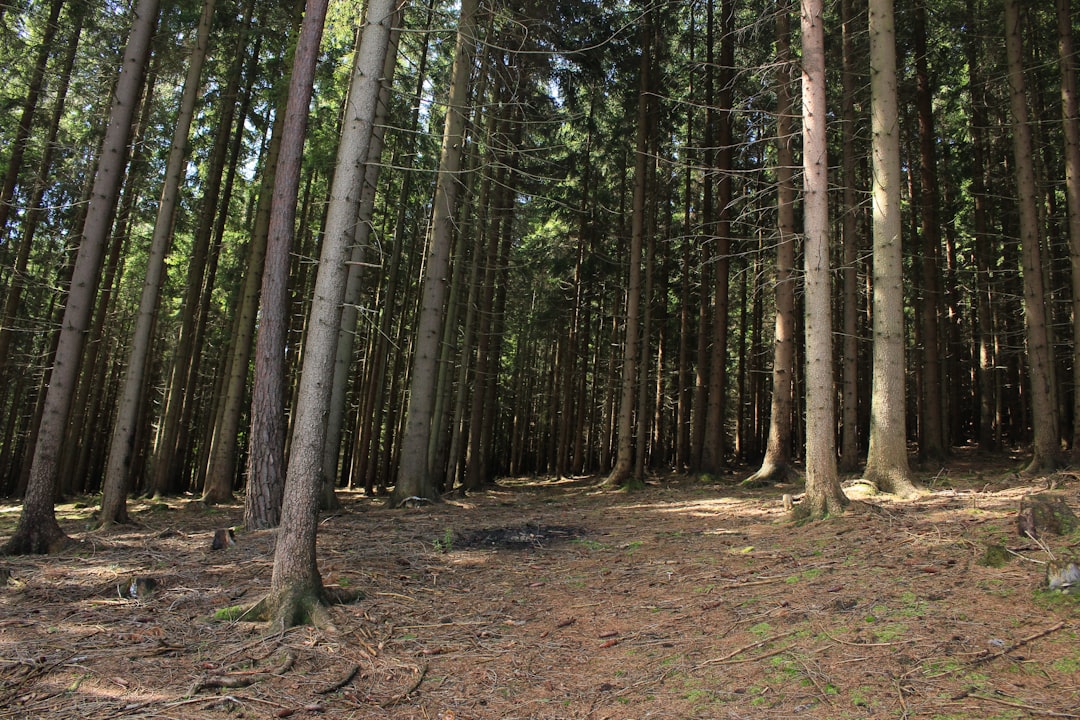
Forest bathing, or Shinrin-yoku in Japanese, is a practice that involves immersing oneself in nature and mindfully experiencing the forest environment through all senses. Originating in Japan in the 1980s as a response to urban stress, this concept has gained global popularity as a form of nature therapy. The practice emphasizes slow, deliberate engagement with the natural surroundings, rather than physical exercise.
Participants are encouraged to walk slowly, meditate, or simply observe their environment, focusing on being present in the moment and connecting with nature. Forest bathing is considered a holistic approach to wellness, addressing both physical and mental health. Research has shown that this practice can lead to various benefits, including stress reduction, improved mood, and enhanced overall well-being.
As a recognized form of therapy, forest bathing has attracted individuals seeking a natural approach to health and wellness. It differs from a casual walk in the woods by emphasizing intentional, mindful interaction with the forest environment, allowing participants to fully experience the potential healing properties of nature.
Forest bathing has been shown to have a significant impact on reducing stress and anxiety levels. When individuals spend time in nature, particularly in a forest setting, they experience a decrease in cortisol levels, which are associated with stress. This reduction in stress hormones can lead to a calmer and more relaxed state of mind, helping individuals to cope with the pressures of daily life.
In addition to stress reduction, forest bathing has been shown to improve mood and mental clarity. The sights and sounds of the forest can have a calming effect on the mind, leading to a more positive outlook and increased feelings of happiness. Furthermore, studies have found that spending time in nature can enhance cognitive function, including improved focus and attention.
Forest bathing has been linked to a decrease in symptoms of depression and anxiety. The natural environment can provide a sense of tranquility and peace that is often lacking in urban settings, offering individuals a much-needed respite from the demands of modern life. By immersing oneself in nature and practicing mindfulness, individuals can experience a sense of inner calm and emotional balance that can have lasting effects on their mental well-being.
In addition to the psychological benefits, forest bathing has been shown to have numerous physical benefits as well. Spending time in nature has been linked to lower blood pressure and heart rate, which can contribute to overall cardiovascular health. The fresh air and clean environment of the forest can also lead to improved respiratory function, making it an ideal practice for individuals with respiratory conditions such as asthma.
Furthermore, forest bathing has been associated with improved immune function. The natural compounds released by trees, known as phytoncides, have been found to enhance the activity of natural killer cells in the immune system, which play a crucial role in fighting off infections and diseases. This can lead to a stronger immune response and better overall health for individuals who regularly engage in forest bathing.
Additionally, spending time in nature can lead to increased physical activity, as individuals may engage in activities such as walking or hiking while forest bathing. This can contribute to improved fitness levels and weight management, making it a beneficial practice for individuals looking to maintain a healthy lifestyle. Overall, the physical benefits of forest bathing make it an attractive option for those seeking to improve their physical well-being while also enjoying the beauty of nature.
One of the most intriguing aspects of forest bathing is its ability to improve immune function. Research has shown that spending time in nature, particularly in a forest setting, can lead to an increase in the activity of natural killer cells in the immune system. These cells play a crucial role in fighting off infections and diseases, making them an essential component of a healthy immune response.
The increase in natural killer cell activity is thought to be due to the inhalation of phytoncides, which are natural compounds released by trees and plants. These compounds have been found to have antimicrobial properties and are believed to play a role in protecting plants from disease. When humans inhale phytoncides while forest bathing, it can lead to an increase in natural killer cell activity, enhancing the body’s ability to fight off illness.
In addition to increasing natural killer cell activity, forest bathing has been shown to reduce levels of stress hormones such as cortisol, which can have a suppressive effect on the immune system. By lowering stress levels and promoting relaxation, forest bathing can help to support a healthy immune response and overall well-being. This makes it an attractive practice for individuals looking to boost their immune function and protect themselves from illness.
Stress reduction is one of the primary benefits of forest bathing and is a key reason why many individuals are drawn to this practice. Spending time in nature has been shown to have a calming effect on the mind and body, leading to a decrease in stress levels and an overall sense of relaxation. The sights, sounds, and smells of the forest can provide a natural escape from the pressures of daily life, allowing individuals to unwind and recharge.
Research has shown that spending time in nature can lead to a decrease in cortisol levels, which are associated with stress. Cortisol is often referred to as the “stress hormone” because it is released in response to stress and can have negative effects on the body when levels are chronically elevated. By engaging in forest bathing and experiencing a reduction in cortisol levels, individuals can experience a sense of calm and tranquility that can have lasting effects on their mental well-being.
Furthermore, forest bathing has been linked to improvements in mood and emotional well-being. The natural environment can provide a sense of peace and serenity that is often lacking in urban settings, offering individuals a much-needed break from the hustle and bustle of modern life. By immersing oneself in nature and practicing mindfulness, individuals can experience a sense of inner calm that can help them cope with the challenges of daily life.
As interest in forest bathing continues to grow, so does the need for further research into its potential benefits and mechanisms of action. Future research on forest bathing may focus on exploring its effects on specific health conditions such as anxiety disorders, depression, or chronic stress. Understanding how forest bathing impacts these conditions at a physiological level could provide valuable insights into its potential as a therapeutic intervention.
Additionally, research on the long-term effects of forest bathing could help shed light on its lasting impact on mental and physical well-being. Longitudinal studies that follow individuals who regularly engage in forest bathing over an extended period could provide valuable data on its sustained effects on stress reduction, immune function, and overall health. This could help solidify its place as a legitimate form of nature therapy with long-lasting benefits.
Furthermore, future research may explore the potential role of forest bathing in healthcare settings as an adjunct therapy for various health conditions. Integrating forest bathing into treatment plans for conditions such as anxiety, depression, or chronic pain could offer patients an alternative approach to healing that complements traditional medical interventions. Understanding how forest bathing can be integrated into healthcare settings could open up new possibilities for holistic wellness practices.
In conclusion, forest bathing offers numerous psychological and physical benefits that make it an attractive practice for individuals seeking a natural approach to health and wellness. Its ability to reduce stress, improve mood, enhance immune function, and promote overall well-being has led to increased interest in its potential as a form of nature therapy. As research on forest bathing continues to expand, it holds promise for becoming an integral part of holistic healthcare practices and urban lifestyles alike.
If you’re interested in learning more about the future of healthcare, you might want to check out the article on Telehealth: The Future of Healthcare. This article discusses the growing trend of telehealth and how it is changing the way people access medical care. It’s a fascinating look at how technology is revolutionizing the healthcare industry and could have implications for urban dwellers looking to improve their overall well-being.

Dr. Mark Leeds, DO is an addiction medicine specialist in Fort Lauderdale, FL and has over 26 years of experience in the medical field. He graduated from Des Moines University College Of Osteopathic Medicine in 1996. He is affiliated with Florida Medical Center. His office accepts new patients.

