


Empower Your Health And Well-Being With Better Health News and Information
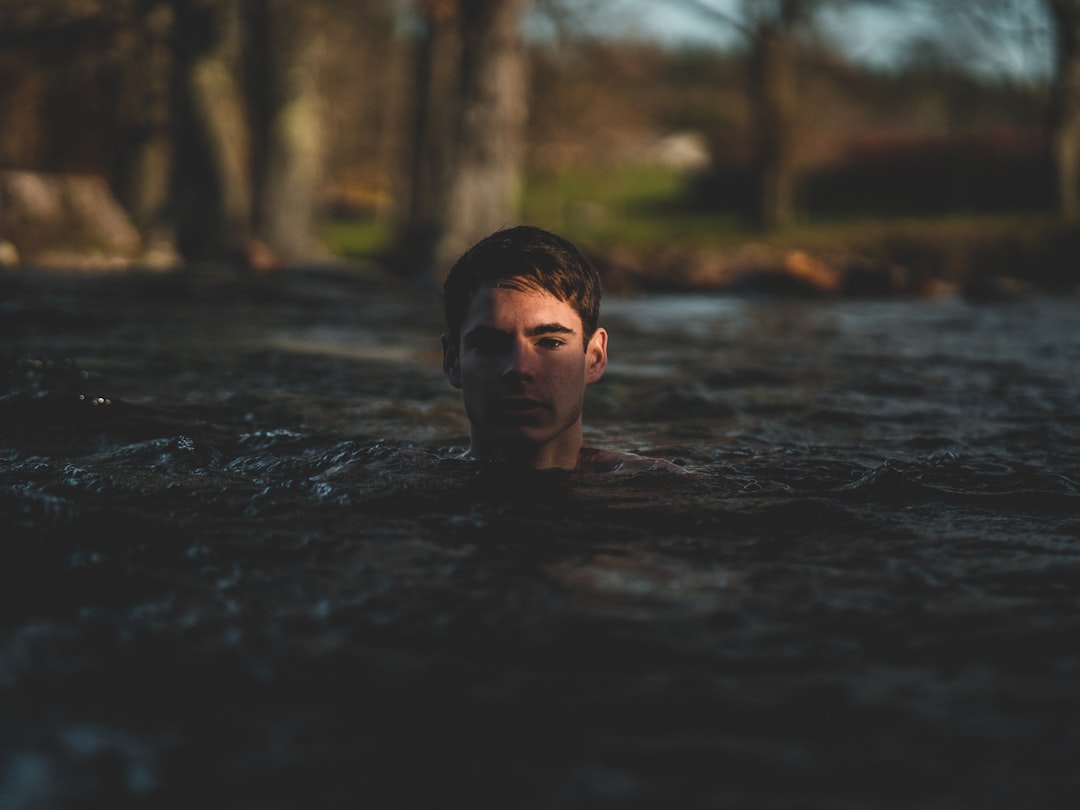
Cold water swimming, also referred to as winter swimming or ice swimming, involves immersing oneself in natural bodies of water with temperatures below 15 degrees Celsius (59 degrees Fahrenheit). This practice has experienced a surge in popularity in recent years due to its reported physical and mental health benefits. Practitioners often cite the invigorating and rejuvenating effects of cold water immersion as a primary motivation for engaging in this activity.
The potential health benefits of cold water swimming are diverse and include improvements in physical health, mental well-being, immune system function, and circulation. Research has shown that regular exposure to cold water can stimulate the production of brown adipose tissue, which may aid in weight management and metabolic health. Additionally, cold water immersion has been associated with reduced inflammation, improved cardiovascular health, and enhanced recovery from exercise-induced muscle damage.
From a mental health perspective, cold water swimming has been linked to reduced stress levels, improved mood, and increased feelings of well-being. Some studies suggest that the practice may have potential therapeutic effects for individuals suffering from depression and anxiety disorders. While cold water swimming offers numerous potential benefits, it is essential to approach the activity with caution and proper preparation.
Safety measures, such as gradual acclimatization to cold water, swimming with a partner, and being aware of one’s physical limitations, are crucial for minimizing risks associated with this practice.
The cold water causes the body to work harder to maintain its core temperature, which in turn can help to boost metabolism and burn calories. Additionally, the shock of the cold water can stimulate the release of endorphins, which are natural mood lifters that can help reduce stress and anxiety.
Cold water swimming has also been shown to improve circulation, as the cold water causes blood vessels to constrict and then dilate, which can help to improve overall blood flow. Furthermore, regular cold water swimming has been linked to a stronger immune system, as the body adapts to the stress of the cold water and becomes more resilient to illness.
Cold water swimming also has a positive impact on the cardiovascular system. The shock of the cold water causes the heart to work harder, which can help to strengthen the heart muscle over time. Additionally, the increased circulation that occurs during cold water swimming can help to improve overall cardiovascular health. Cold water swimming has also been shown to have anti-inflammatory effects, which can help to reduce pain and swelling in the body. This makes it a great activity for those with conditions such as arthritis or muscle soreness.
In addition to its physical health benefits, cold water swimming also offers numerous mental health benefits. The shock of the cold water can trigger a rush of endorphins, which are natural mood lifters that can help reduce stress and anxiety. Many cold water swimmers report feeling a sense of euphoria and heightened mental clarity after a swim in icy waters.
This natural high can have a lasting impact on mental well-being and can help to improve overall mood and outlook on life. Cold water swimming also provides an opportunity for mindfulness and meditation. The act of immersing oneself in cold water requires a great deal of focus and concentration, as the body adjusts to the shock of the temperature.
This intense focus can help to clear the mind and promote a sense of calm and relaxation. Additionally, the sensory experience of cold water swimming – the sound of the water, the feel of the cold against the skin – can be incredibly grounding and centering, providing a much-needed break from the stresses of daily life. Furthermore, cold water swimming has been shown to improve resilience and mental toughness.
The act of willingly subjecting oneself to discomfort and pushing through the initial shock of the cold water can help build mental fortitude and a sense of accomplishment. This can translate to greater resilience in other areas of life, as cold water swimmers learn to embrace discomfort and challenge with a sense of determination and strength.
One of the most significant health benefits of cold water swimming is its impact on the immune system. Regular exposure to cold water has been shown to increase levels of white blood cells in the body, which are responsible for fighting off infections and illness. This boost in white blood cells can help to strengthen the immune system and make the body more resilient to illness.
Additionally, the shock of the cold water can stimulate the release of adrenaline and other stress hormones, which can also have a positive impact on immune system function. Furthermore, cold water swimming has been linked to a reduction in inflammation in the body. Chronic inflammation has been linked to a wide range of health issues, including autoimmune disorders, heart disease, and cancer.
By reducing inflammation, cold water swimming can help to support overall immune system function and reduce the risk of chronic illness. Overall, regular cold water swimming can have a significant impact on immune system function, making it a great natural way to support overall health and well-being.
Cold water swimming has been shown to have a positive impact on circulation. When the body is exposed to cold water, blood vessels constrict in order to conserve heat. This constriction forces blood to move at a faster rate in order to maintain core body temperature.
As a result, regular exposure to cold water can help to improve overall blood flow and circulation. Improved circulation has numerous health benefits. It can help to deliver oxygen and nutrients more efficiently throughout the body, which can support overall cardiovascular health.
Additionally, improved circulation can help to reduce swelling and inflammation in the body, which can be beneficial for those with conditions such as arthritis or muscle soreness. Furthermore, improved circulation can have a positive impact on skin health. The increased blood flow that occurs during cold water swimming can help to nourish the skin and promote a healthy, glowing complexion.
Overall, improved circulation is one of the many physical health benefits of cold water swimming.
If you’re new to cold water swimming, start with short dips in the water and gradually increase your time as your body acclimates to the temperature.
Wear a wetsuit or other appropriate cold water gear to help insulate your body and protect against hypothermia.
Always swim with a friend or in an organized group in case of emergency. Additionally, pay attention to your body’s signals and never push yourself beyond your comfort level.
After your swim, warm up gradually with hot drinks and dry clothes to prevent hypothermia. By following these safety tips, you can enjoy the many health benefits of cold water swimming while minimizing the risks associated with this activity.
In conclusion, cold water swimming offers a wide range of physical and mental health benefits. From improved circulation and immune system function to reduced stress and anxiety, there are numerous reasons why people are drawn to this invigorating activity. However, it is important to approach cold water swimming with caution in order to ensure safety.
By following safety tips and gradually acclimating your body to the temperature, you can enjoy all that cold water swimming has to offer while minimizing risks. Overall, if you are looking for a natural way to boost your overall well-being, consider giving cold water swimming a try. The physical and mental health benefits are numerous, and many enthusiasts swear by its rejuvenating effects.
So next time you find yourself near a natural body of cold water, consider taking the plunge – your body and mind will thank you for it!
If you’re interested in the mental health benefits of cold water swimming, you may also want to check out this article on the best burnout recovery plan for executive burnout syndrome. It discusses the importance of taking care of your mental health and finding effective ways to recover from burnout.

Dr. Mark Leeds, DO is an addiction medicine specialist in Fort Lauderdale, FL and has over 26 years of experience in the medical field. He graduated from Des Moines University College Of Osteopathic Medicine in 1996. He is affiliated with Florida Medical Center. His office accepts new patients.

