


Empower Your Health And Well-Being With Better Health News and Information
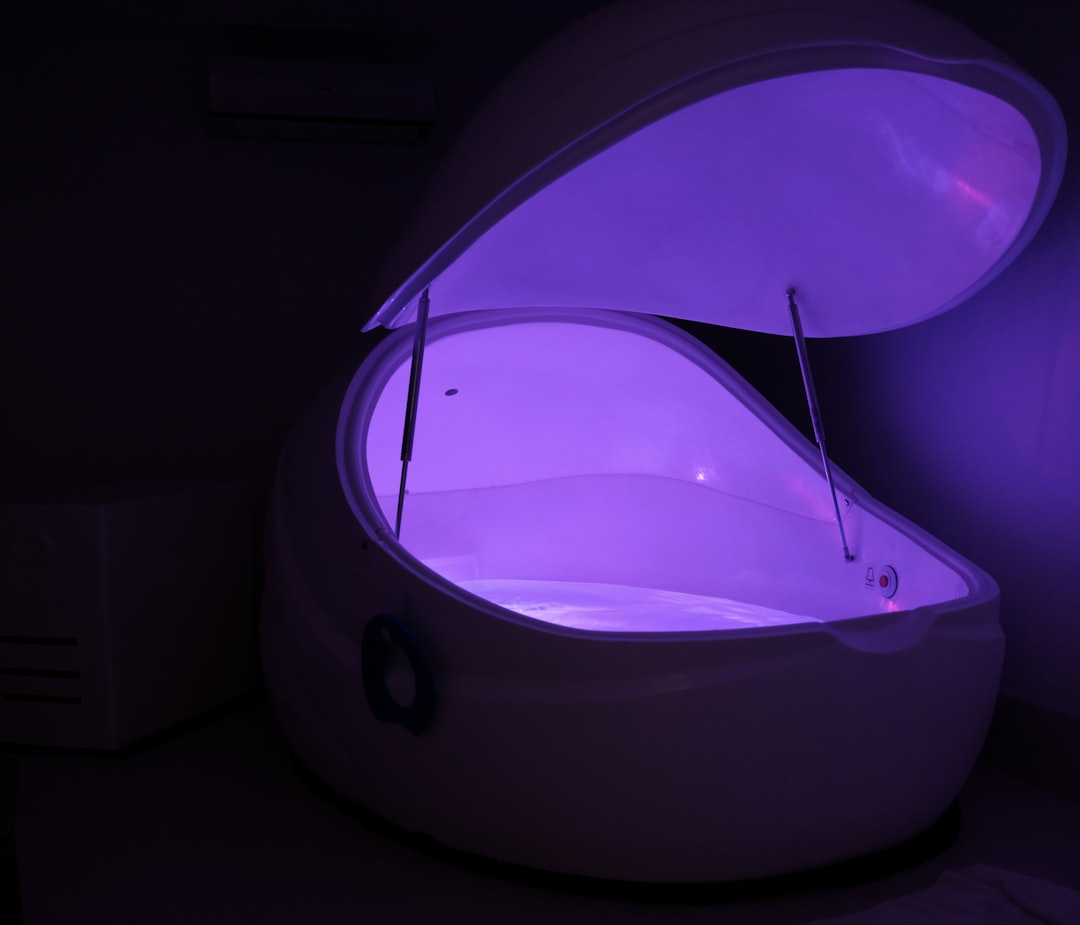
Sensory deprivation tanks, also called isolation or floatation tanks, are enclosed chambers filled with saltwater at body temperature, designed to minimize sensory input. Developed in the 1950s by neuroscientist John Lilly, these tanks create an environment devoid of external stimuli, allowing users to experience deep relaxation and sensory isolation. The tanks contain a high concentration of Epsom salt, enabling effortless flotation.
The water is maintained at skin temperature to enhance the sensation of weightlessness. Soundproofing and light-blocking features ensure a distraction-free environment. Users typically enter the tank unclothed to further reduce tactile sensations.
This controlled environment significantly reduces sensory input to the brain, promoting a state of profound relaxation and altered consciousness. The combination of buoyancy, temperature control, and sensory deprivation creates a unique experience that has been studied for its potential psychological and physiological effects.
The combination of weightlessness, warm water, and sensory isolation creates an environment that is conducive to relaxation, allowing the user to experience a state of deep calm and tranquility. One of the most commonly reported benefits is deep relaxation and stress reduction.
Many users report feeling a sense of mental clarity and reduced stress levels after floating in a sensory deprivation tank. In addition to relaxation, floating in a sensory deprivation tank has also been reported to have benefits for physical recovery and pain relief.
The weightlessness experienced in the tank can help to relieve pressure on the joints and muscles, making it an ideal environment for those suffering from chronic pain or recovering from injuries. The high concentration of Epsom salt in the water can also have therapeutic effects on the body, helping to reduce inflammation and promote muscle relaxation. Many athletes and individuals with chronic pain conditions have reported experiencing relief from their symptoms after floating in a sensory deprivation tank.
Sensory deprivation tanks have been found to have numerous mental health benefits. One of the most significant benefits is the reduction of anxiety and stress. The environment created by the tank allows individuals to disconnect from the outside world and focus on their internal thoughts and feelings.
This can lead to a reduction in stress levels and an overall sense of calm and relaxation. Furthermore, floating in a sensory deprivation tank has been found to have positive effects on mood and mental well-being. The deep relaxation experienced in the tank can help to alleviate symptoms of depression and improve overall mood.
Many users report feeling a sense of euphoria and heightened well-being after floating in a sensory deprivation tank. This can be attributed to the release of endorphins and the reduction of stress hormones, which can have a positive impact on mental health.
In addition to the mental health benefits, using a sensory deprivation tank can also have positive effects on physical health. One of the most significant benefits is pain relief. The weightlessness experienced in the tank can help to alleviate pressure on the joints and muscles, making it an ideal environment for those suffering from chronic pain conditions or recovering from injuries.
The high concentration of Epsom salt in the water can also have therapeutic effects on the body, helping to reduce inflammation and promote muscle relaxation. Furthermore, floating in a sensory deprivation tank has been found to have positive effects on blood circulation and cardiovascular health. The weightlessness experienced in the tank can help to improve blood flow and circulation, which can have positive effects on cardiovascular health.
Additionally, the deep relaxation experienced in the tank can help to lower blood pressure and reduce stress levels, which can have further benefits for cardiovascular health.
For first-time users of sensory deprivation tanks, it’s important to be prepared for the experience in order to maximize its benefits. Firstly, it’s important to shower before entering the tank in order to remove any oils or lotions from the skin that could contaminate the water. Additionally, it’s important to avoid shaving or waxing before using the tank, as this can cause discomfort due to the high salt concentration in the water.
It’s also important to be mindful of your mindset before entering the tank. Try to approach the experience with an open mind and a willingness to let go of any expectations or preconceived notions. It’s normal to feel some apprehension before using a sensory deprivation tank for the first time, but try to focus on the potential benefits and allow yourself to relax into the experience.
While sensory deprivation tanks have numerous benefits, there are also some potential risks and precautions that should be considered before using one. One potential risk is feeling claustrophobic or anxious while inside the tank. If you have a history of claustrophobia or anxiety, it’s important to consider whether using a sensory deprivation tank is the right choice for you.
Another potential risk is skin irritation due to the high salt concentration in the water. If you have any cuts or abrasions on your skin, it’s important to cover them with petroleum jelly before entering the tank in order to prevent discomfort.
It’s also important to avoid getting salt water in your eyes or mouth, as this can cause irritation.
The future of sensory deprivation tanks in health and wellness looks promising, with growing interest in their potential benefits for both mental and physical health. As more research is conducted on the effects of floating in a sensory deprivation tank, we can expect to gain a better understanding of its potential therapeutic applications. In addition to its potential benefits for mental and physical health, sensory deprivation tanks are also being explored for their potential applications in alternative medicine and holistic healing practices.
Many wellness centers and spas are now offering floatation therapy as part of their services, recognizing its potential as a tool for promoting relaxation and overall well-being. In conclusion, sensory deprivation tanks offer a unique opportunity for individuals to experience deep relaxation and sensory isolation, with potential benefits for both mental and physical health. As interest in floatation therapy continues to grow, we can expect to see further research into its potential therapeutic applications, as well as its integration into mainstream health and wellness practices.

Dr. Mark Leeds, DO is an addiction medicine specialist in Fort Lauderdale, FL and has over 26 years of experience in the medical field. He graduated from Des Moines University College Of Osteopathic Medicine in 1996. He is affiliated with Florida Medical Center. His office accepts new patients.

