




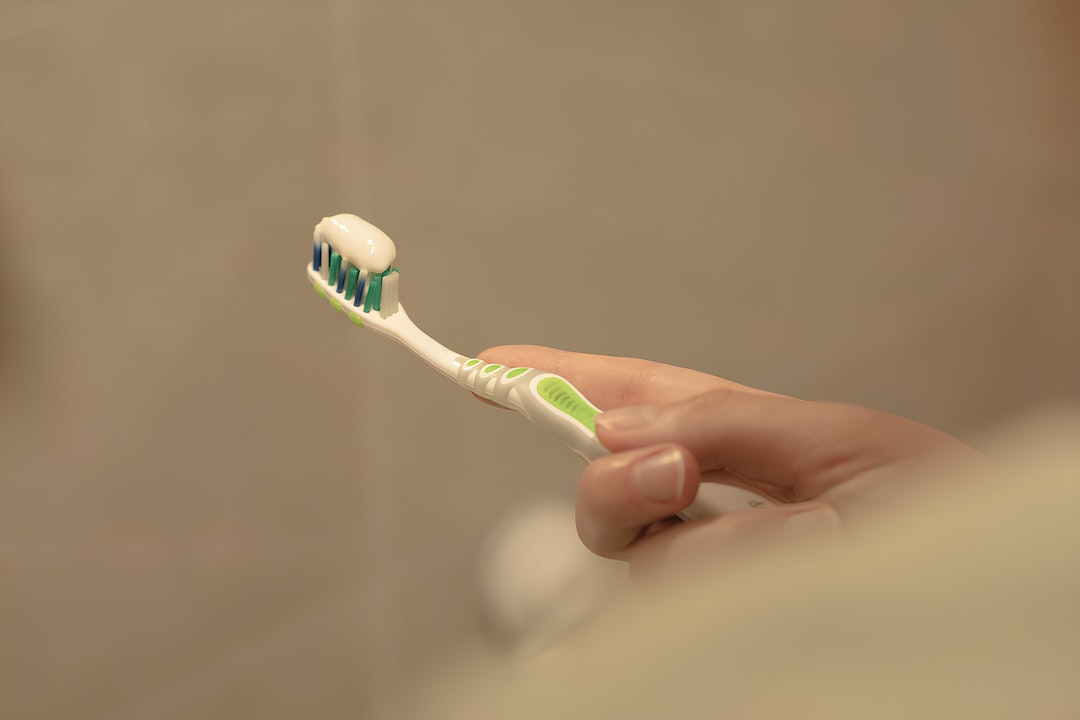
Oral health refers to the overall health of the mouth, including the teeth, gums, and tongue. It is an essential aspect of overall well-being and plays a crucial role in maintaining good overall health. Poor oral health can lead to various issues such as tooth decay, gum disease, bad breath, and even more serious conditions like heart disease and diabetes.
One of the most common oral health issues is tooth decay, which occurs when bacteria in the mouth produce acids that erode the tooth enamel. This can lead to cavities and tooth loss if left untreated. Another common issue is gum disease, which is caused by the buildup of plaque and tartar on the teeth and gums. This can result in inflammation, bleeding gums, and eventually tooth loss if not addressed.
Regular dental checkups are essential for maintaining good oral health. Dentists are trained professionals who can identify and treat oral health issues before they become more serious problems. During a dental checkup, the dentist will examine your teeth and gums, clean your teeth, and take X-rays if necessary.
Regular dental checkups allow dentists to catch any potential issues early on and provide appropriate treatment. This can help prevent more extensive and costly procedures down the line. Additionally, dentists can provide valuable advice on proper oral hygiene practices and recommend specific products that may be beneficial for your oral health.
Finding a good dentist is crucial for ensuring that you receive quality dental care. It is recommended to ask for recommendations from friends or family members or consult online reviews. It is also important to consider factors such as the dentist’s qualifications, experience, and the cleanliness of the dental office.
There are several ways to improve oral health and achieve a brighter smile. One of the most important aspects of maintaining good oral hygiene is brushing your teeth at least twice a day with a fluoride toothpaste. This helps remove plaque and bacteria from the teeth and gums, preventing tooth decay and gum disease.
In addition to regular brushing, flossing is also crucial for maintaining good oral health. Flossing helps remove food particles and plaque from between the teeth and along the gumline, where a toothbrush cannot reach. It is recommended to floss at least once a day.
Another way to improve oral health is by adopting a healthy diet. Consuming foods that are rich in vitamins and minerals, such as fruits and vegetables, can help strengthen teeth and gums. Avoiding sugary and acidic foods and drinks can also help prevent tooth decay.
| Nutrient | Role in Oral Health | Food Sources |
|---|---|---|
| Calcium | Strengthens teeth and bones | Milk, cheese, yogurt, leafy greens |
| Vitamin C | Helps prevent gum disease | Citrus fruits, strawberries, broccoli |
| Vitamin D | Helps absorb calcium for strong teeth and bones | Fatty fish, egg yolks, fortified milk |
| Phosphorus | Strengthens tooth enamel | Meat, fish, poultry, dairy, nuts |
| Water | Keeps mouth hydrated and washes away food particles | Tap water, fruits, vegetables, soups |
Nutrition plays a significant role in maintaining good oral health. A balanced diet that includes essential nutrients can help strengthen teeth and gums, prevent tooth decay, and promote overall oral health.
Calcium is an essential mineral for strong teeth and bones. It can be found in dairy products, leafy greens, and fortified foods. Vitamin D is also important for calcium absorption and can be obtained through sunlight exposure or supplements.
Vitamin C is crucial for healthy gums and can be found in citrus fruits, strawberries, and bell peppers. Vitamin A promotes saliva production, which helps wash away bacteria and food particles. It can be found in carrots, sweet potatoes, and spinach.
Foods that are high in fiber, such as apples and celery, can help stimulate saliva production and act as natural cleansers for the teeth. Drinking plenty of water throughout the day is also important for maintaining good oral health as it helps rinse away bacteria and food particles.
Stress can have a significant impact on oral health. When we are stressed, our bodies produce more cortisol, a hormone that can weaken the immune system and increase inflammation in the body, including the gums. This can lead to gum disease and other oral health issues.
To effectively manage stress and promote better oral health, it is important to incorporate stress management techniques into your daily routine. Regular exercise, such as walking or yoga, can help reduce stress levels and promote overall well-being.
Practicing relaxation techniques, such as deep breathing exercises or meditation, can also help reduce stress and promote a healthier smile. Taking time for yourself and engaging in activities that you enjoy can also help alleviate stress and improve overall mental health.

Chronic health conditions can have a significant impact on oral health. Conditions such as diabetes, heart disease, and autoimmune disorders can increase the risk of developing oral health issues such as gum disease and tooth decay.
Managing chronic health conditions effectively is crucial for maintaining good oral health. It is important to work closely with healthcare professionals to develop a comprehensive treatment plan that addresses both the chronic condition and its effects on oral health.
Regular dental checkups are especially important for individuals with chronic health conditions as they may require more frequent cleanings and monitoring. It is also important to maintain good oral hygiene practices at home, including brushing and flossing regularly.
Preventive health practices are essential for maintaining good oral health. These practices include regular dental checkups, proper brushing and flossing techniques, and adopting a healthy diet.
Regular dental checkups allow dentists to identify any potential issues early on and provide appropriate treatment. It is recommended to visit the dentist at least twice a year for routine checkups and cleanings.
Proper brushing and flossing techniques are crucial for removing plaque and bacteria from the teeth and gums. It is recommended to brush your teeth at least twice a day for two minutes each time using a fluoride toothpaste. Flossing should be done at least once a day, making sure to reach all areas between the teeth and along the gumline.
Adopting a healthy diet that includes fruits, vegetables, lean proteins, and whole grains can help strengthen teeth and gums and prevent tooth decay. Avoiding sugary and acidic foods and drinks can also help maintain good oral health.
Proper brushing and flossing techniques are essential for maintaining good oral health. Brushing your teeth at least twice a day for two minutes each time helps remove plaque and bacteria from the teeth and gums.
To brush properly, hold your toothbrush at a 45-degree angle to the gums and use gentle, circular motions. Make sure to brush all surfaces of the teeth, including the front, back, and chewing surfaces. It is also important to brush the tongue to remove bacteria and freshen breath.
Flossing should be done at least once a day to remove food particles and plaque from between the teeth and along the gumline. Use a piece of floss about 18 inches long and wrap it around your fingers, leaving about two inches of floss between them. Gently slide the floss between the teeth, making a C-shape around each tooth and moving it up and down.
It is also important to replace your toothbrush every three to four months or sooner if the bristles become frayed. Using a soft-bristled toothbrush is recommended as it is less likely to cause damage to the gums.
Promoting good oral health in your family is crucial for maintaining healthy smiles for everyone. Encouraging good oral hygiene habits from an early age can help children develop lifelong habits that will benefit their oral health.
To encourage good oral hygiene habits in children, lead by example. Let them see you brushing and flossing regularly and make it a fun and interactive activity. Use age-appropriate toothbrushes and toothpaste to make brushing more enjoyable for children.
It is also important to schedule regular dental checkups for the whole family. This allows the dentist to monitor oral health and provide appropriate treatment if necessary. Family-friendly dental care options, such as pediatric dentists or family dental practices, can provide comprehensive care for everyone in the family.
Taking charge of your oral health is essential for maintaining a brighter smile and overall well-being. By practicing good oral hygiene habits, scheduling regular dental checkups, and adopting a healthy lifestyle, you can ensure that your teeth and gums stay healthy.
Remember to brush your teeth at least twice a day, floss daily, and eat a balanced diet that includes foods that promote good oral health. Manage stress effectively and seek treatment for any chronic health conditions that may affect your oral health.
By prioritizing your oral health and making it a part of your daily routine, you can enjoy a brighter smile and better overall health for years to come.
If you’re looking to improve your oral health, it’s important to consider the impact of childhood trauma on relationships. According to a related article on Health-Speak.com, childhood trauma can have long-lasting effects on both physical and mental health, including oral health. The article explores how traumatic experiences can lead to dental problems such as teeth grinding, jaw clenching, and poor oral hygiene habits. Understanding the connection between childhood trauma and oral health can help individuals take proactive steps to maintain a bright smile. To learn more about this topic, check out the article here.
Oral health refers to the overall health of your mouth, including your teeth, gums, and tongue. It is important to maintain good oral health to prevent dental problems such as cavities, gum disease, and bad breath.
Basic oral health practices include brushing your teeth twice a day with fluoride toothpaste, flossing daily, eating a healthy diet, and visiting your dentist regularly for check-ups and cleanings.
It is recommended to visit the dentist every six months for a check-up and cleaning. However, if you have specific dental issues or concerns, your dentist may recommend more frequent visits.
Signs of poor oral health include bad breath, tooth decay, gum disease, tooth sensitivity, and tooth loss. If you experience any of these symptoms, it is important to see your dentist as soon as possible.
Foods that are good for oral health include fruits and vegetables, dairy products, lean proteins, and whole grains. These foods provide essential nutrients for strong teeth and gums.
Foods that are bad for oral health include sugary and acidic foods and drinks, such as candy, soda, and citrus fruits. These foods can contribute to tooth decay and erosion.
If you have a dental emergency, such as a broken tooth or severe toothache, it is important to see your dentist as soon as possible. If you cannot see your dentist immediately, go to the emergency room for treatment.
