

Empower Your Health And Well-Being With Better Health News and Information
Interstitial cystitis (IC) is a chronic condition characterized by bladder pressure, bladder pain, and sometimes pelvic pain. It is often misunderstood and misdiagnosed, leading to frustration for those affected. The exact cause of IC remains unclear, but it is believed to involve a combination of factors, including inflammation of the bladder wall, a defect in the bladder lining, and possibly autoimmune responses.
Symptoms can vary widely among individuals, making it a complex condition to manage. Individuals with interstitial cystitis may experience frequent urination, urgency to urinate, and discomfort that can significantly impact their quality of life. The symptoms can be exacerbated by certain foods, beverages, and stress, which makes understanding personal triggers essential for effective management.
While there is no definitive cure for IC, various strategies can help alleviate symptoms and improve overall well-being.
Diet plays a crucial role in managing interstitial cystitis. Many individuals find that certain foods and beverages can trigger or worsen their symptoms. Common irritants include caffeine, alcohol, spicy foods, and acidic fruits.
Therefore, adopting a diet that minimizes these triggers can be beneficial. A food diary can be an effective tool for identifying personal sensitivities and understanding how different items affect symptoms. Incorporating a balanced diet rich in whole grains, lean proteins, and vegetables can support overall health while potentially reducing IC symptoms.
Foods that are less likely to irritate the bladder include bananas, oatmeal, and non-citrus fruits. Staying hydrated is also essential; however, individuals should be mindful of their fluid intake and choose water over irritants like carbonated drinks or caffeinated beverages. By focusing on nutrition and making informed dietary choices, individuals can take proactive steps toward managing their condition.
Herbal remedies have gained popularity as complementary approaches to managing interstitial cystitis. Various herbs are believed to possess anti-inflammatory properties that may help soothe bladder irritation. For instance, marshmallow root and slippery elm are often cited for their potential to coat and protect the mucous membranes of the bladder.
These herbs can be consumed in tea form or as supplements, depending on personal preference. Another herb that may offer benefits is chamomile, known for its calming effects. It can help reduce stress and promote relaxation, which may indirectly alleviate some symptoms associated with IWhile herbal remedies can be a valuable addition to a management plan, it is essential to approach them with caution and ensure they fit within an overall strategy tailored to individual needs.
Making lifestyle changes can significantly impact the management of interstitial cystitis. Regular physical activity is one such change that can enhance overall health and well-being. Exercise helps improve circulation and can reduce stress levels, both of which may contribute to symptom relief.
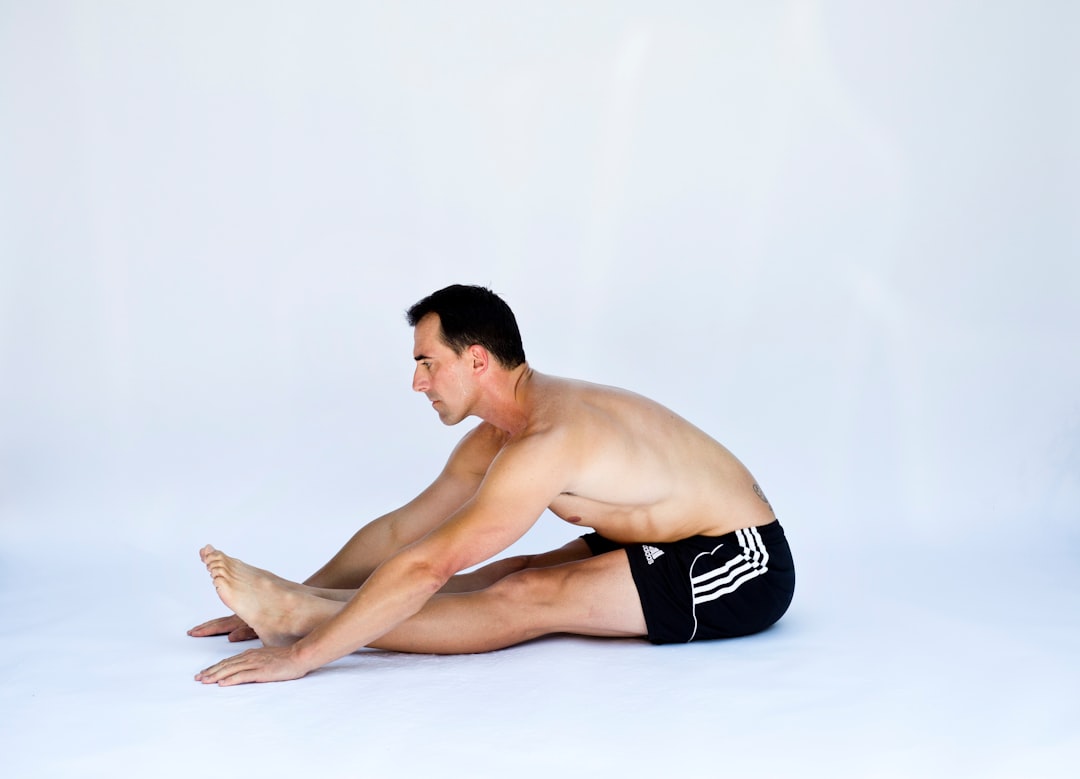
Engaging in low-impact activities such as walking, swimming, or yoga can be particularly beneficial for those with IC. Additionally, establishing a routine that includes adequate rest and relaxation is vital. Sleep plays a crucial role in the body’s ability to heal and manage stress.
Creating a calming bedtime routine can improve sleep quality and help individuals cope better with the challenges posed by interstitial cystitis. By prioritizing these lifestyle changes, individuals can create a supportive environment that fosters better health outcomes.
Stress management is an essential component of coping with interstitial cystitis. Stress can exacerbate symptoms and create a cycle of discomfort that is difficult to break. Therefore, finding effective ways to manage stress is crucial for those living with this condition.
Techniques such as mindfulness meditation, deep breathing exercises, and progressive muscle relaxation can help individuals cultivate a sense of calm and reduce anxiety. Incorporating regular physical activity into daily routines also serves as an effective stress reliever. Exercise releases endorphins, which are natural mood lifters.
Additionally, engaging in hobbies or activities that bring joy can provide a much-needed distraction from the challenges of living with IBy actively managing stress levels, individuals may find that their symptoms become more manageable.
Physical therapy can be an effective treatment option for individuals with interstitial cystitis. Specialized pelvic floor physical therapy focuses on strengthening the muscles in the pelvic region, which can help alleviate pain and improve bladder function. A trained physical therapist can guide individuals through exercises designed to relax tight muscles and enhance overall pelvic health.
In addition to targeted exercises, physical therapy may include techniques such as biofeedback and manual therapy. Biofeedback helps individuals gain awareness of their body’s responses and learn how to control certain functions, while manual therapy involves hands-on techniques to relieve tension in the pelvic area. By working with a qualified professional, individuals can develop a personalized plan that addresses their specific needs related to interstitial cystitis.
Alternative therapies offer additional avenues for managing interstitial cystitis symptoms. Acupuncture is one such therapy that has gained attention for its potential benefits in pain relief and overall well-being. This ancient practice involves inserting thin needles into specific points on the body to promote healing and balance.
Many individuals report positive experiences with acupuncture in managing chronic pain conditions. Another alternative approach is the use of mindfulness-based practices such as yoga or tai chi. These disciplines emphasize gentle movement combined with breath control and meditation, promoting relaxation and reducing stress levels.
Engaging in these practices regularly may help individuals develop greater awareness of their bodies and foster a sense of control over their symptoms.
While self-management strategies are valuable, seeking professional help is often necessary for effectively addressing interstitial cystitis. Healthcare providers specializing in urology or pelvic health can offer comprehensive evaluations and tailored treatment plans based on individual needs. They may recommend a combination of medical interventions, lifestyle modifications, and alternative therapies to create a holistic approach to managing the condition.
Support groups and counseling services can also provide emotional support for those navigating the challenges of interstitial cystitis. Connecting with others who share similar experiences can foster a sense of community and understanding. By seeking professional guidance and support, individuals can empower themselves to take control of their health journey while effectively managing the complexities of interstitial cystitis.

Dr. Mark Leeds, DO is an addiction medicine specialist in Fort Lauderdale, FL and has over 26 years of experience in the medical field. He graduated from Des Moines University College Of Osteopathic Medicine in 1996. He is affiliated with Florida Medical Center. His office accepts new patients.