

Empower Your Health And Well-Being With Better Health News and Information
Dystonia is a neurological movement disorder characterized by involuntary muscle contractions, leading to abnormal postures and movements. These contractions can affect various parts of the body, including the neck, face, and limbs. The condition can manifest in different forms, such as focal dystonia, which affects a specific area, or generalized dystonia, which impacts multiple regions.
The exact cause of dystonia remains unclear, but it is believed to involve a combination of genetic and environmental factors that disrupt normal brain function. Individuals with dystonia may experience a range of symptoms, including muscle spasms, twisting movements, and discomfort. The severity of these symptoms can vary significantly from person to person.
While some may find their daily activities severely impacted, others may experience milder forms that are less disruptive. Understanding the nature of dystonia is crucial for those affected, as it can help in identifying effective management strategies and improving quality of life.
Nutrition plays a vital role in overall health and can significantly influence the management of dystonia. A balanced diet rich in essential nutrients may help support neurological function and reduce inflammation in the body. Foods high in antioxidants, such as fruits and vegetables, can combat oxidative stress, which is thought to contribute to various neurological disorders.
Incorporating a variety of colorful produce into daily meals can provide the necessary vitamins and minerals that support brain health. Additionally, omega-3 fatty acids found in fish, flaxseeds, and walnuts are known for their anti-inflammatory properties. These healthy fats may help improve brain function and reduce symptoms associated with dystonia.
Staying hydrated is equally important; adequate water intake supports overall bodily functions and can help maintain muscle health. By focusing on a nutrient-dense diet, individuals with dystonia may find that they experience improved well-being and potentially reduced symptoms.
Herbal remedies have been used for centuries in various cultures to address a range of health issues, including movement disorders like dystonia. Certain herbs are believed to possess properties that may help alleviate symptoms associated with this condition. For instance, valerian root is often used for its calming effects and may help reduce muscle tension.
Similarly, passionflower is known for its ability to promote relaxation and may assist in managing stress levels, which can exacerbate dystonic symptoms. Another herb worth considering is ginkgo biloba, which is thought to improve blood circulation and support cognitive function. Some individuals report that incorporating ginkgo into their routine has led to improvements in their overall sense of well-being.
While herbal remedies can be a valuable addition to a holistic approach to managing dystonia, it is essential to research each option thoroughly and consider personal preferences and tolerances.
Making lifestyle changes can significantly impact the management of dystonia. Stress management is particularly crucial, as stress can trigger or worsen symptoms. Techniques such as mindfulness meditation, yoga, or even simple breathing exercises can help individuals develop coping strategies to handle stress more effectively.
Creating a daily routine that includes time for relaxation and self-care can also contribute to overall emotional well-being. Sleep hygiene is another important aspect of lifestyle management. Quality sleep is essential for physical and mental health, and poor sleep can exacerbate symptoms of dystonia.
Establishing a consistent sleep schedule, creating a calming bedtime routine, and ensuring a comfortable sleep environment can all promote better rest. By prioritizing these lifestyle changes, individuals with dystonia may find themselves better equipped to manage their symptoms and improve their quality of life.
Mind-body practices focus on the connection between mental and physical health, offering valuable tools for managing conditions like dystonia. Techniques such as meditation and guided imagery can help individuals cultivate a sense of calm and reduce anxiety levels. These practices encourage mindfulness, allowing individuals to become more aware of their bodies and how they respond to stressors.
Additionally, tai chi and qigong are gentle forms of exercise that emphasize slow movements and deep breathing. These practices not only promote physical flexibility but also enhance mental clarity and relaxation. Engaging in mind-body practices regularly can empower individuals with dystonia to take an active role in their health management while fostering a greater sense of control over their symptoms.
Regular exercise is an essential component of managing dystonia effectively. Engaging in physical activity can help improve muscle strength, coordination, and overall mobility. Low-impact exercises such as swimming or cycling are often recommended as they are easier on the joints while still providing cardiovascular benefits.
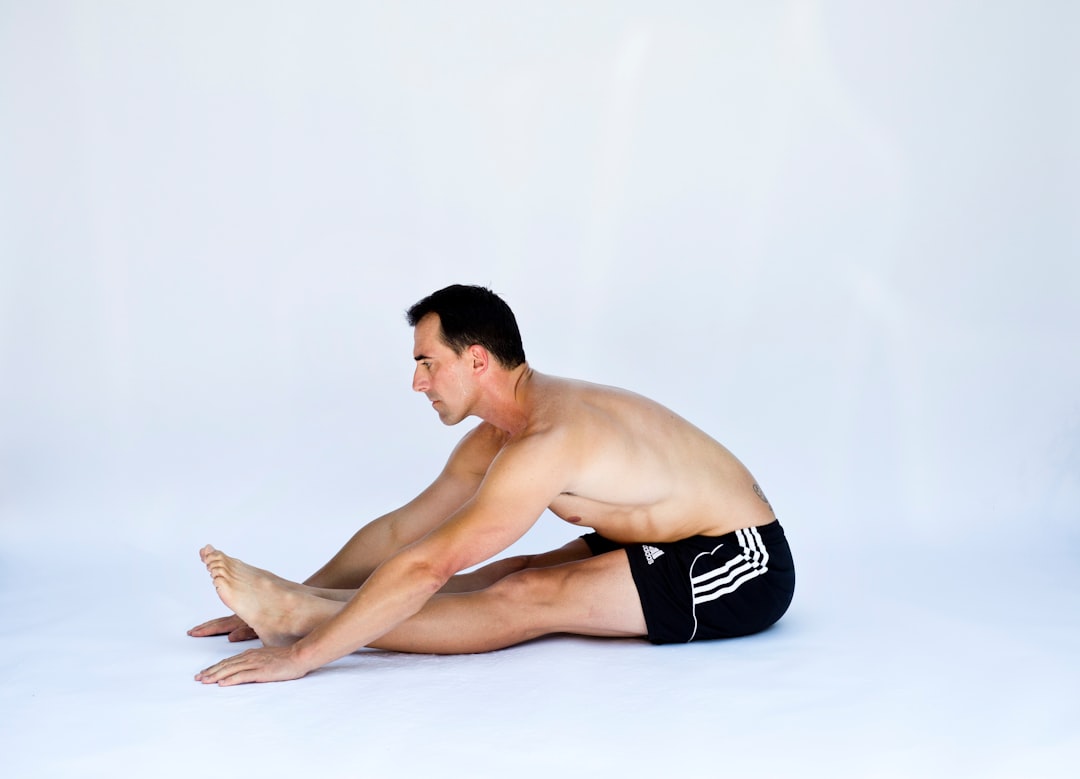
Additionally, stretching exercises can enhance flexibility and reduce muscle stiffness associated with dystonia. Physical therapy can also play a significant role in managing symptoms. A trained therapist can develop a personalized exercise program tailored to an individual’s specific needs and limitations.
This program may include techniques aimed at improving posture, balance, and coordination. By working closely with a physical therapist, individuals with dystonia can learn strategies to navigate daily activities more comfortably while minimizing the impact of their condition.
Acupuncture is an ancient practice rooted in traditional Chinese medicine that involves inserting thin needles into specific points on the body. This technique is believed to promote balance within the body’s energy systems and may help alleviate various health issues, including movement disorders like dystonia. Some individuals report experiencing reduced muscle tension and improved overall well-being after undergoing acupuncture treatments.
The practice of acupuncture may also support relaxation and stress reduction, which are crucial for managing dystonic symptoms. By addressing both physical discomfort and emotional stressors, acupuncture offers a holistic approach to care. While individual experiences with acupuncture can vary, many find it to be a valuable complementary therapy in their journey toward managing dystonia.
While exploring natural approaches to managing dystonia can be beneficial, seeking professional guidance is essential for ensuring safety and effectiveness. Healthcare providers who specialize in movement disorders or integrative medicine can offer valuable insights into which strategies may be most appropriate based on individual circumstances. They can help create a comprehensive management plan that incorporates dietary changes, herbal remedies, lifestyle modifications, and other complementary therapies.
Additionally, professionals can provide ongoing support and monitoring to assess progress and make necessary adjustments to the management plan over time. By collaborating with knowledgeable practitioners, individuals with dystonia can navigate their treatment options more confidently while maximizing their potential for improved health outcomes. Embracing a holistic approach under professional guidance empowers individuals to take charge of their health journey while addressing the complexities of living with dystonia effectively.

Dr. Mark Leeds, DO is an addiction medicine specialist in Fort Lauderdale, FL and has over 26 years of experience in the medical field. He graduated from Des Moines University College Of Osteopathic Medicine in 1996. He is affiliated with Florida Medical Center. His office accepts new patients.