




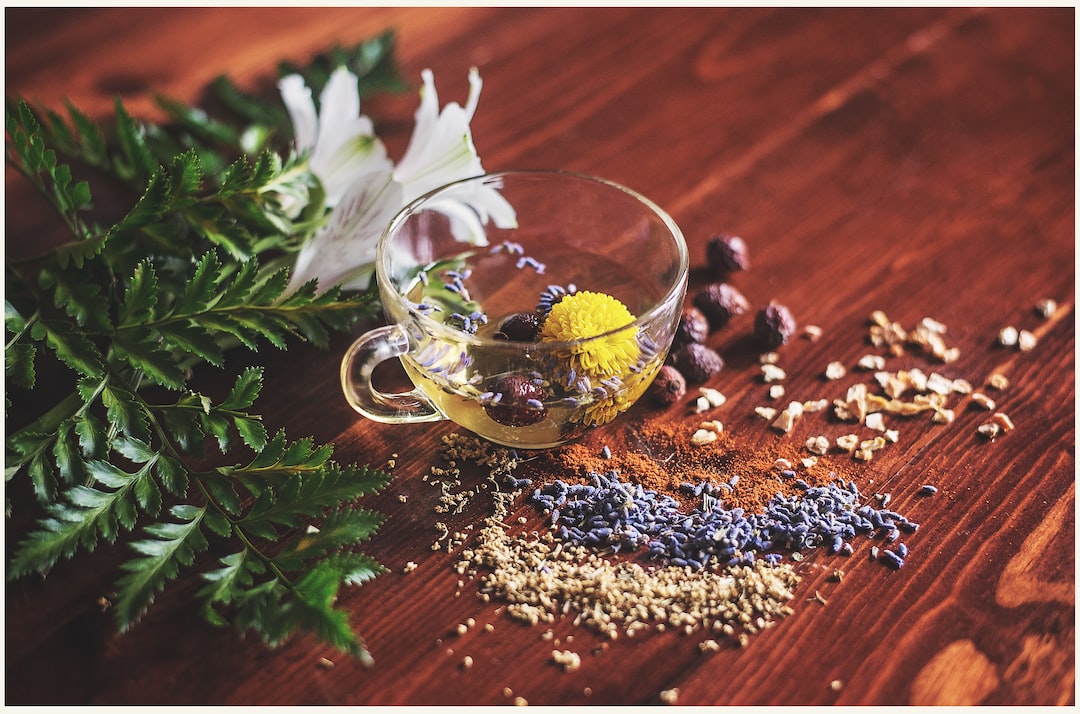
In recent years, there has been a growing interest in home remedies as a natural and holistic approach to healthcare. People are increasingly turning to these remedies as an alternative or complement to traditional medicine. Home remedies are often made from common ingredients found in the kitchen or garden, and they have been used for centuries to treat various ailments. While they may not always be backed by scientific evidence, many people find them effective and prefer their natural approach to healing.
Home remedies are natural treatments that can be made from ingredients found in the home or garden. They have been used for centuries by different cultures around the world to treat various ailments. Some common ingredients used in home remedies include herbs, spices, fruits, vegetables, and essential oils. For example, ginger is often used to soothe an upset stomach, while honey is known for its antibacterial properties and can be used to treat coughs and colds.
Staying healthy naturally involves making lifestyle changes that promote overall well-being. Regular exercise is essential for maintaining good health, as it helps to strengthen the immune system, improve cardiovascular health, and reduce the risk of chronic diseases. Eating a balanced diet that is rich in fruits, vegetables, whole grains, and lean proteins is also important for maintaining optimal health. Additionally, getting enough sleep is crucial for allowing the body to rest and repair itself.
| Metrics | Description |
|---|---|
| Stress level | A measure of the amount of stress experienced by an individual |
| Heart rate | The number of times the heart beats per minute |
| Blood pressure | The force of blood against the walls of the arteries |
| Sleep quality | A measure of how well an individual sleeps |
| Physical activity | The amount of exercise an individual engages in |
| Mental health | A measure of an individual’s emotional and psychological well-being |
| Diet | The types and amounts of food an individual consumes |
| Time management | The ability to effectively manage one’s time and prioritize tasks |
Stress is a common problem in today’s fast-paced world, and it can have a negative impact on both physical and mental health. Fortunately, there are several home remedies that can help reduce stress and promote relaxation. Aromatherapy is one such remedy that involves using essential oils to create a calming atmosphere. Lavender oil, for example, has been shown to have a calming effect and can be used in a diffuser or added to bathwater. Meditation is another effective stress management technique that can be practiced at home. It involves focusing the mind and breathing deeply to promote relaxation and reduce stress levels. Herbal teas, such as chamomile or peppermint, can also help to soothe the mind and body.
Home remedies can also be used to manage chronic conditions such as arthritis, diabetes, and high blood pressure. For example, turmeric has been shown to have anti-inflammatory properties and may help reduce pain and inflammation associated with arthritis. Cinnamon has been found to help regulate blood sugar levels in people with diabetes. And garlic has been shown to have a positive effect on blood pressure levels. These remedies can be incorporated into a person’s daily routine to help manage their chronic condition.
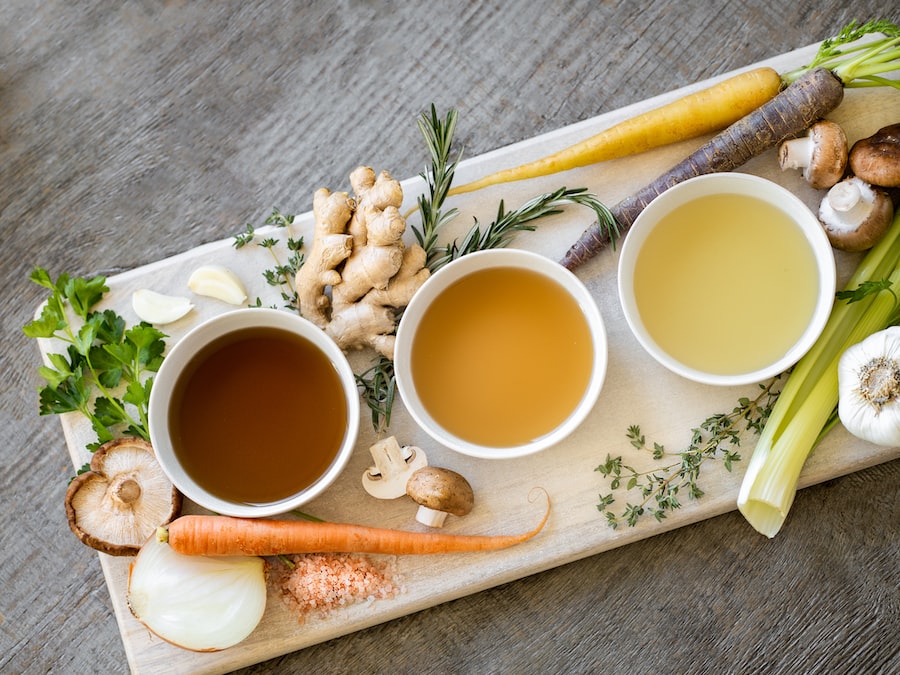
Prevention is always better than cure, and home remedies can play a role in preventing illnesses. Boosting the immune system is key to preventing illnesses, and certain home remedies can help achieve this. Vitamin C is known for its immune-boosting properties and can be found in citrus fruits, berries, and leafy greens. Zinc is another important nutrient for immune health and can be found in foods such as oysters, beef, and pumpkin seeds. Additionally, maintaining good hygiene practices, such as washing hands regularly and avoiding close contact with sick individuals, can help prevent the spread of illnesses.
Home remedies are often safe for both children and adults, making them a convenient option for families. For example, honey has been shown to be effective in treating coughs and colds in children over the age of one. It can be added to warm water or herbal tea to soothe a sore throat and reduce coughing. Ginger can also be used to treat nausea in both children and adults. It can be consumed as a tea or added to meals for its anti-nausea properties. However, it is important to note that not all home remedies are safe for children, and it is always best to consult with a healthcare professional before using them.
While many home remedies have been used for centuries, it is important to consider the scientific evidence behind them. Some remedies, such as ginger for nausea and turmeric for inflammation, have been studied and shown to have beneficial effects. Ginger has been found to reduce nausea and vomiting in pregnant women and cancer patients undergoing chemotherapy. Turmeric contains a compound called curcumin, which has been shown to have anti-inflammatory properties and may help reduce pain and inflammation in conditions such as arthritis. However, it is important to note that not all home remedies have been extensively studied, and more research is needed to fully understand their effectiveness.
While home remedies can be effective for many common ailments, there are times when it is important to seek professional medical help. If symptoms persist or worsen despite using home remedies, it may be a sign of a more serious underlying condition that requires medical attention. Additionally, if someone is experiencing severe pain, difficulty breathing, or any other concerning symptoms, it is important to seek immediate medical help. It is also important to consult with a healthcare professional before using home remedies, especially if you are pregnant, breastfeeding, or taking any medications.
Home remedies can play a valuable role in modern healthcare as a natural and holistic approach to healing. They offer an alternative or complement to traditional medicine and can be used for various ailments and conditions. However, it is important to use them responsibly and in conjunction with professional medical advice. While many home remedies have been used for centuries and have anecdotal evidence to support their effectiveness, more research is needed to fully understand their benefits and limitations. Overall, home remedies can be a safe and effective way to promote health and well-being when used appropriately.
If you’re interested in learning more about the connection between fibromyalgia and chemical sensitivity, check out this informative article on Health-Speak: Fibromyalgia and Chemical Sensitivity: The Underlying Connection. It delves into the underlying factors that contribute to both conditions and provides insights into managing symptoms.
Home remedies are natural treatments or remedies that are used to cure or alleviate common health problems. These remedies are usually made from ingredients that are easily available at home or in the local market.
There is no scientific evidence to support the effectiveness of all home remedies. However, some home remedies have been found to be effective in treating certain health conditions. It is important to note that home remedies should not be used as a substitute for medical treatment.
Home remedies are usually inexpensive and easily accessible. They can be used to treat minor health problems and can be a good alternative to over-the-counter medications. Home remedies are also natural and do not contain any harmful chemicals.
Some home remedies can be harmful if not used properly. For example, some herbs can interact with prescription medications and cause adverse reactions. It is important to consult a healthcare professional before using any home remedy, especially if you have a pre-existing medical condition.
Home remedies should not be used to treat serious health conditions. If you have a serious health condition, it is important to seek medical treatment from a healthcare professional. Home remedies can be used to alleviate symptoms of certain health conditions, but they should not be used as a substitute for medical treatment.
