

Empower Your Health And Well-Being With Better Health News and Information
Vertebral subluxation refers to a condition where one or more vertebrae in the spine become misaligned. This misalignment can lead to various health issues, as it may interfere with the nervous system’s ability to communicate effectively with the rest of the body. The spine plays a crucial role in protecting the spinal cord, which is responsible for transmitting signals between the brain and the body.
When vertebrae are out of place, they can exert pressure on nerves, leading to discomfort and dysfunction. The concept of vertebral subluxation is central to chiropractic care, as practitioners believe that restoring proper alignment can enhance overall health. Misalignments can occur due to various factors, including poor posture, physical trauma, repetitive movements, or even stress.
Understanding the underlying causes of vertebral subluxation is essential for developing effective treatment strategies. By addressing these misalignments, individuals may experience relief from pain and improved bodily function.
Chiropractic care is one of the most recognized approaches to addressing vertebral subluxation. Chiropractors utilize specific techniques to realign the spine and restore proper function. The primary method employed is spinal manipulation, which involves applying controlled force to the affected vertebrae.
This technique aims to correct misalignments and alleviate pressure on surrounding nerves, promoting better communication within the nervous system. In addition to spinal manipulation, chiropractors often incorporate other therapeutic modalities into their treatment plans. These may include exercises designed to strengthen supporting muscles, improve flexibility, and enhance overall spinal health.
Chiropractors also educate patients about posture and ergonomics, helping them make lifestyle adjustments that can prevent future misalignments. By taking a comprehensive approach, chiropractic care addresses not only the symptoms of vertebral subluxation but also its root causes.
Massage therapy can be a valuable complementary treatment for individuals experiencing vertebral subluxation. This therapeutic practice focuses on manipulating soft tissues in the body, including muscles, tendons, and ligaments. By applying pressure and movement, massage therapy can help relieve tension in the muscles surrounding the spine, which may contribute to misalignments.
Through regular massage sessions, individuals may experience reduced muscle tightness and improved circulation. This enhanced blood flow can promote healing and recovery in areas affected by vertebral subluxation. Additionally, massage therapy can help individuals develop greater body awareness, allowing them to recognize and correct poor posture or movement patterns that may lead to future misalignments.
When combined with chiropractic care, massage therapy can create a synergistic effect that supports overall spinal health.
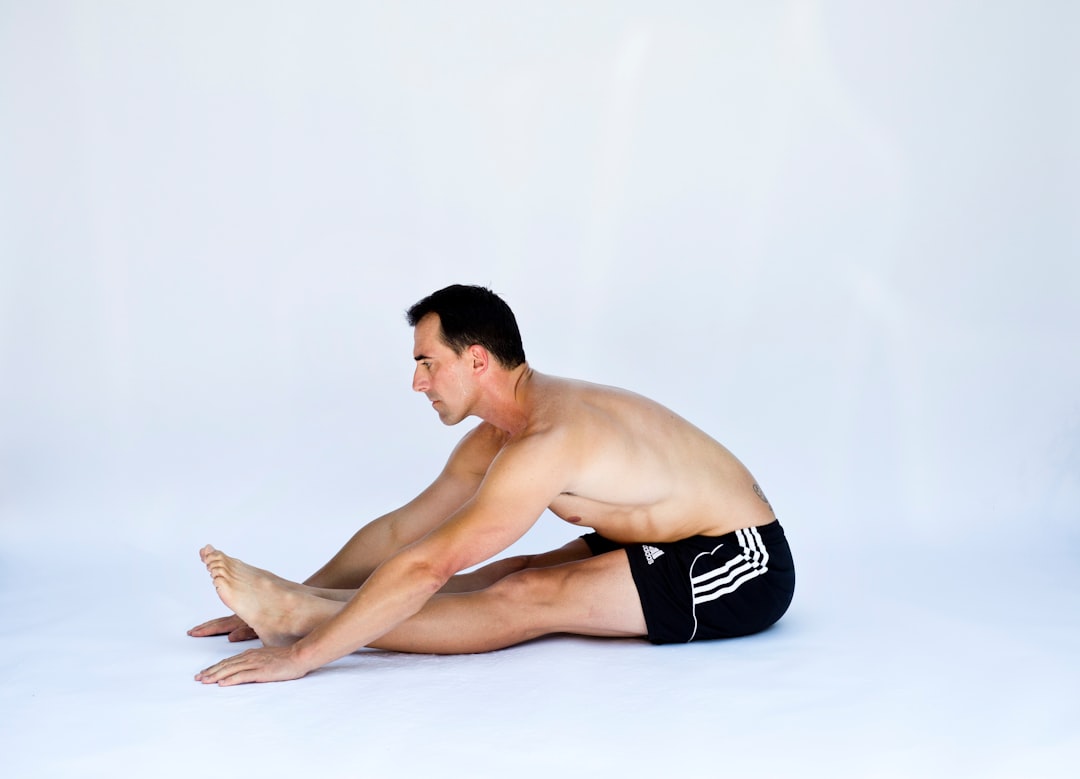
Yoga and stretching exercises are effective tools for managing vertebral subluxation. These practices focus on improving flexibility, strength, and balance, all of which are essential for maintaining proper spinal alignment. Yoga incorporates various postures that promote spinal health by encouraging proper alignment and strengthening core muscles that support the spine.
Regular participation in yoga can enhance body awareness and mindfulness, allowing individuals to better understand their physical limitations and capabilities. Stretching exercises specifically target tight muscles that may contribute to misalignments. By incorporating these practices into a daily routine, individuals can work towards preventing future occurrences of vertebral subluxation while also alleviating existing discomfort.
Nutrition plays a significant role in overall health and well-being, including spinal health. A balanced diet rich in essential nutrients supports the body’s ability to heal and maintain proper function. Certain vitamins and minerals are particularly important for bone health, such as calcium and vitamin D.
Ensuring adequate intake of these nutrients can help strengthen bones and reduce the risk of conditions that may contribute to vertebral subluxation. In addition to bone health, nutrition also influences inflammation levels in the body. Consuming anti-inflammatory foods, such as fruits, vegetables, whole grains, and healthy fats, can help reduce discomfort associated with misalignments.
Staying hydrated is equally important, as proper hydration supports joint lubrication and overall mobility. By adopting a nutritious diet, individuals can create a foundation for better spinal health and potentially minimize the risk of developing vertebral subluxation.
Mind-body techniques encompass a range of practices that promote relaxation and mental well-being while also supporting physical health. Techniques such as meditation, deep breathing exercises, and mindfulness can help individuals manage stress effectively. Stress is known to contribute to muscle tension and poor posture, both of which can exacerbate vertebral subluxation.
By incorporating mind-body techniques into daily routines, individuals may find it easier to maintain a relaxed state, reducing tension in the muscles surrounding the spine. This relaxation can lead to improved alignment and decreased discomfort associated with misalignments. Furthermore, cultivating a positive mindset through these practices can enhance motivation for engaging in other health-promoting activities such as exercise and proper nutrition.
Acupuncture is an ancient practice rooted in traditional Chinese medicine that involves inserting thin needles into specific points on the body. This technique aims to restore balance within the body’s energy systems and promote healing. For individuals dealing with vertebral subluxation, acupuncture may provide relief by addressing pain and discomfort associated with misalignments.
The insertion of needles stimulates blood flow and encourages the release of endorphins, which are natural pain-relieving chemicals produced by the body. This can lead to reduced muscle tension and improved overall well-being. Acupuncture can be used alongside other treatments such as chiropractic care or massage therapy to create a comprehensive approach to managing vertebral subluxation.
Adopting holistic lifestyle changes is essential for effectively managing vertebral subluxation over the long term. These changes encompass various aspects of daily life, including physical activity, nutrition, stress management, and sleep hygiene. Engaging in regular physical activity not only strengthens muscles but also promotes flexibility and balance—key components in maintaining proper spinal alignment.
In addition to exercise, prioritizing good posture during daily activities is crucial for preventing misalignments. Being mindful of how one sits, stands, or lifts objects can significantly reduce the risk of developing vertebral subluxation. Furthermore, ensuring adequate sleep is vital for recovery and overall health; quality sleep allows the body to repair itself and maintain optimal function.
In conclusion, understanding vertebral subluxation is essential for recognizing its impact on overall health. Various treatment modalities—including chiropractic care, massage therapy, yoga, nutrition, mind-body techniques, acupuncture, and holistic lifestyle changes—can work together to address this condition effectively. By taking a comprehensive approach that encompasses both physical and mental well-being, individuals can enhance their quality of life while promoting better spinal health.

Dr. Mark Leeds, DO is an addiction medicine specialist in Fort Lauderdale, FL and has over 26 years of experience in the medical field. He graduated from Des Moines University College Of Osteopathic Medicine in 1996. He is affiliated with Florida Medical Center. His office accepts new patients.