

Empower Your Health And Well-Being With Better Health News and Information
Costochondritis is a condition characterized by inflammation of the cartilage that connects the ribs to the breastbone, known as the sternum. This inflammation can lead to localized pain in the chest area, which may be mistaken for more serious conditions, such as heart problems. The exact cause of costochondritis is often unclear, but it can result from physical strain, injury, or repetitive trauma to the chest wall.
In some cases, it may also be associated with certain medical conditions, such as arthritis or infections. The condition is most commonly seen in adults, particularly those between the ages of 20 and 40. However, it can affect individuals of any age.
Costochondritis is generally considered a benign condition, meaning it is not life-threatening and often resolves on its own over time. Understanding this condition is crucial for those experiencing chest pain, as recognizing the symptoms can lead to appropriate management and relief.
The primary symptom of costochondritis is sharp or aching pain in the chest, which may worsen with certain movements or activities. This pain is typically localized to the area where the ribs meet the sternum and may radiate to the back or abdomen. Individuals may also experience tenderness when pressing on the affected area.
Unlike heart-related issues, costochondritis pain often increases with deep breaths, coughing, or physical activity. Diagnosing costochondritis usually involves a thorough medical history and physical examination. A healthcare provider will assess the location and nature of the pain and may perform specific maneuvers to reproduce the discomfort.
In most cases, additional tests such as X-rays or blood tests are not necessary unless there are concerns about other underlying conditions. The diagnosis is primarily based on clinical findings and the exclusion of other potential causes of chest pain.
Treatment for costochondritis typically focuses on relieving pain and reducing inflammation. Over-the-counter nonsteroidal anti-inflammatory drugs (NSAIDs) are commonly recommended to help alleviate discomfort. These medications can effectively reduce inflammation and provide relief from pain.
In some cases, a healthcare provider may prescribe stronger medications if over-the-counter options are insufficient. In addition to medication, applying heat or cold to the affected area can also be beneficial. Heat therapy can help relax tense muscles and improve blood flow, while cold therapy can reduce swelling and numb sharp pain.
It is essential for individuals to find a treatment approach that works best for them, as responses to different therapies can vary.
Making certain lifestyle changes can significantly aid in managing costochondritis symptoms. One of the most effective strategies is to avoid activities that exacerbate the pain. This may include modifying physical activities or avoiding heavy lifting and repetitive motions that strain the chest area.
Listening to one’s body and recognizing when to rest is crucial in preventing further irritation. Incorporating a balanced diet rich in anti-inflammatory foods can also support overall health and potentially reduce inflammation associated with costochondritis. Foods such as fruits, vegetables, whole grains, and healthy fats can contribute to a well-rounded diet.
Staying hydrated is equally important, as proper hydration supports overall bodily functions and can aid in recovery.
Physical therapy can play a vital role in managing costochondritis symptoms. A physical therapist can design a personalized exercise program that focuses on strengthening the muscles around the chest and improving flexibility. These exercises can help alleviate pain by promoting better posture and reducing strain on the affected area.
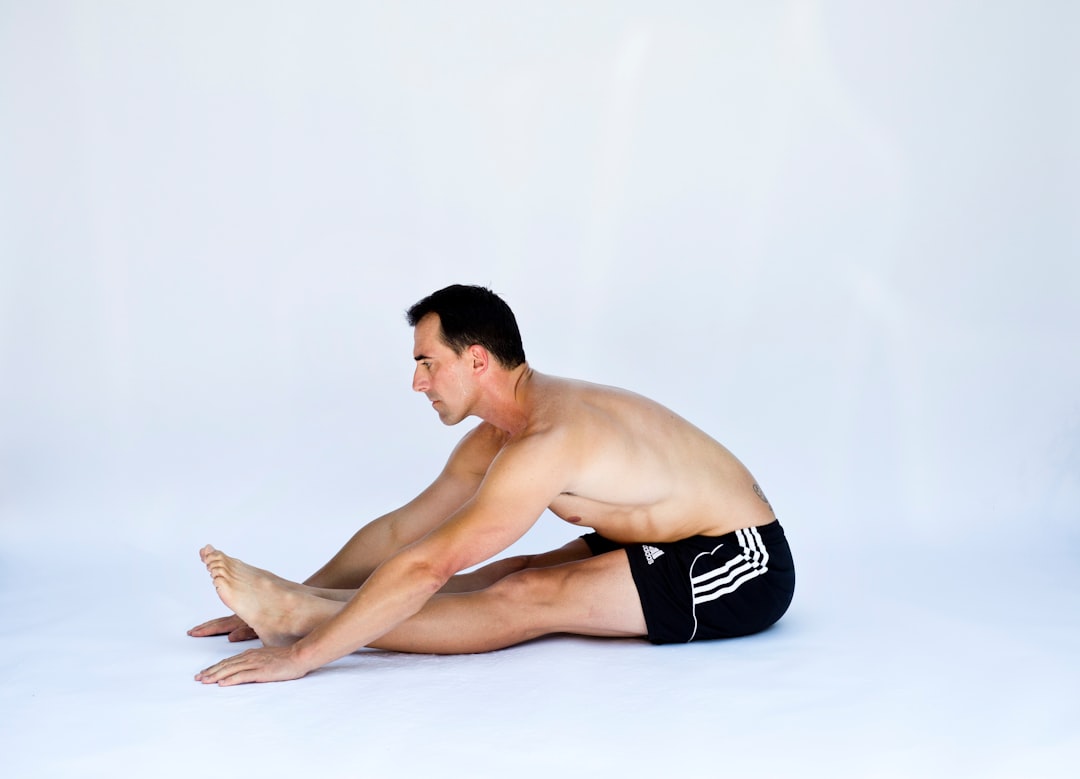
Gentle stretching exercises are particularly beneficial for individuals with costochondritis. Stretching can help relieve tension in the chest muscles and improve overall mobility. It is essential to approach exercise with caution; individuals should start slowly and gradually increase intensity as tolerated.
Engaging in low-impact activities such as walking or swimming can also provide cardiovascular benefits without putting excessive strain on the chest.
In addition to conventional treatments, many individuals explore alternative therapies for managing costochondritis symptoms. Acupuncture is one such option that has gained popularity for its potential to relieve pain and promote healing. This ancient practice involves inserting thin needles into specific points on the body to stimulate energy flow and reduce discomfort.
Chiropractic care is another alternative therapy that some individuals find helpful. Chiropractors focus on spinal alignment and may use manual adjustments to alleviate tension in the chest area. While these therapies may not work for everyone, they can offer additional avenues for relief when combined with traditional treatment methods.
Living with costochondritis can lead to increased stress and anxiety, particularly due to concerns about chest pain and its implications. It is essential for individuals to develop effective stress management techniques to cope with these feelings. Mindfulness practices, such as meditation or deep breathing exercises, can help calm the mind and reduce anxiety levels.
Engaging in activities that promote relaxation, such as yoga or tai chi, can also be beneficial. These practices not only help manage stress but may also improve flexibility and strength, contributing positively to overall well-being. Finding support through friends, family, or support groups can provide additional emotional relief and foster a sense of community during challenging times.
Preventing recurrence of costochondritis involves adopting strategies that minimize strain on the chest area. Individuals should be mindful of their posture during daily activities, especially when sitting for extended periods or lifting heavy objects. Ergonomic adjustments in workspaces can also help reduce unnecessary stress on the body.
Incorporating regular exercise into one’s routine can strengthen muscles and improve overall physical health, which may help prevent future episodes of costochondritis. Additionally, maintaining a healthy weight can reduce strain on the body and lower the risk of developing related conditions. By taking proactive steps toward prevention, individuals can enhance their quality of life and reduce the likelihood of experiencing recurring symptoms associated with costochondritis.

Dr. Mark Leeds, DO is an addiction medicine specialist in Fort Lauderdale, FL and has over 26 years of experience in the medical field. He graduated from Des Moines University College Of Osteopathic Medicine in 1996. He is affiliated with Florida Medical Center. His office accepts new patients.