




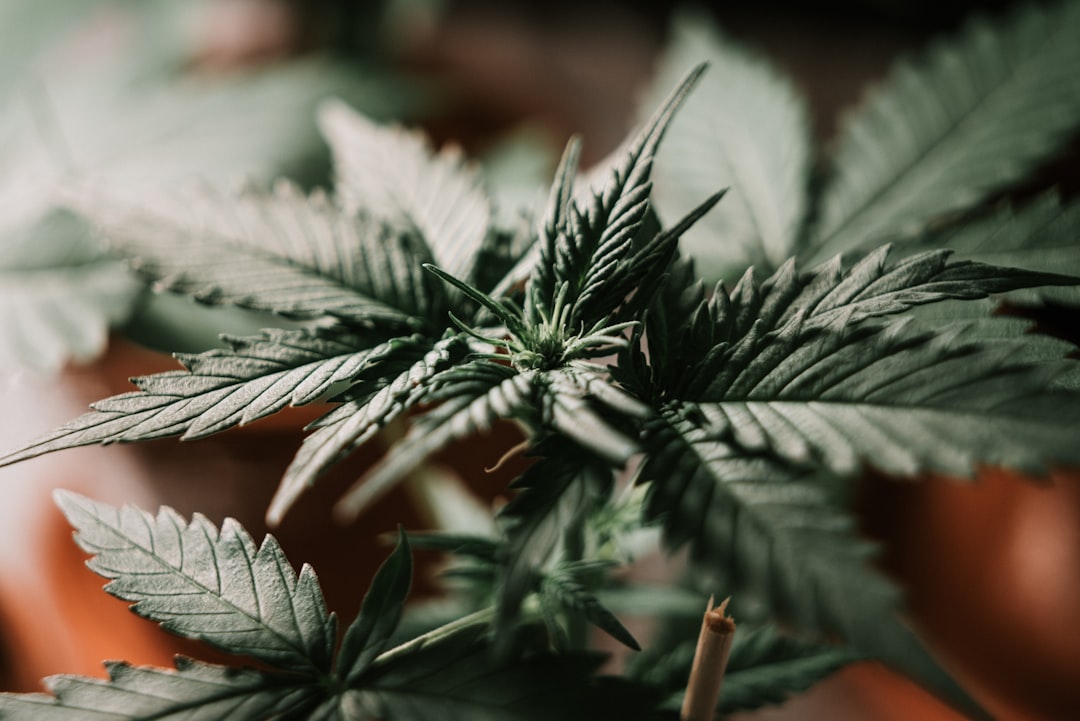
Cannabidiol, commonly known as CBD, is a compound derived from the cannabis plant that has garnered significant attention in recent years for its potential therapeutic benefits. Unlike its more famous counterpart, tetrahydrocannabinol (THC), CBD does not produce psychoactive effects, meaning it does not induce a “high.” This characteristic makes CBD an appealing option for individuals seeking relief from various health issues without the mind-altering effects associated with cannabis. Research into CBD has expanded rapidly, revealing a range of potential applications in the realm of mental health and beyond.
The therapeutic potential of CBD lies in its interaction with the endocannabinoid system, a complex network of receptors and neurotransmitters that play a crucial role in regulating various physiological processes, including mood, pain perception, and stress response. By influencing this system, CBD may help restore balance and promote overall well-being. As scientists continue to explore the myriad ways in which CBD can be utilized, it is becoming increasingly clear that this compound holds promise for addressing a variety of mental health challenges.
Anxiety and stress are prevalent issues that affect millions of people worldwide. Traditional treatments often involve medications that can have side effects or lead to dependency. In contrast, CBD has emerged as a potential alternative for managing these conditions.
Preliminary studies suggest that CBD may help reduce anxiety by interacting with serotonin receptors in the brain, which play a key role in regulating mood and emotional responses. This interaction may lead to a calming effect, helping individuals feel more at ease in stressful situations. Moreover, many users report experiencing a reduction in anxiety symptoms after using CBD products.
Anecdotal evidence supports the idea that CBD can help alleviate feelings of nervousness and promote relaxation. While more rigorous clinical trials are needed to fully understand its efficacy, the initial findings are promising. As individuals seek natural remedies for anxiety and stress, CBD offers a potential avenue for relief without the drawbacks associated with conventional medications.

Depression is a complex mental health condition that can significantly impact an individual’s quality of life. Traditional treatments often involve antidepressant medications, which may not work for everyone and can come with unwanted side effects. In recent years, researchers have begun to investigate the potential of CBD as a treatment option for depression and mood disorders.
Some studies suggest that CBD may have antidepressant-like effects, possibly due to its ability to influence serotonin levels in the brain. Additionally, CBD’s anti-inflammatory properties may play a role in its potential antidepressant effects. Chronic inflammation has been linked to various mood disorders, and by reducing inflammation, CBD may help improve overall mood and emotional well-being.
While more research is needed to establish definitive conclusions, the early findings indicate that CBD could be a valuable tool in the management of depression and related conditions.
Post-Traumatic Stress Disorder (PTSD) is a debilitating condition that can arise after experiencing or witnessing traumatic events. Symptoms often include flashbacks, severe anxiety, and uncontrollable thoughts about the event. Traditional treatments for PTSD typically involve therapy and medication; however, some individuals may not respond well to these approaches.
This has led researchers to explore alternative options, including CBD. Emerging studies suggest that CBD may help alleviate some symptoms associated with PTSD by modulating fear responses and promoting emotional regulation. By interacting with the endocannabinoid system, CBD may help individuals process traumatic memories more effectively and reduce anxiety related to those memories.
While research is still in its early stages, the potential for CBD to serve as an adjunctive treatment for PTSD offers hope for those seeking relief from their symptoms.
The neuroprotective properties of CBD have garnered attention in recent years, particularly concerning mental health. Neuroprotection refers to the preservation of neuronal structure and function, which is crucial for maintaining cognitive health. Some studies suggest that CBD may have neuroprotective effects due to its antioxidant properties and ability to reduce inflammation in the brain.
These neuroprotective effects could be particularly beneficial for individuals with neurodegenerative diseases or cognitive impairments. By potentially safeguarding brain cells from damage, CBD may help mitigate the progression of conditions such as Alzheimer’s disease or other forms of dementia. While more research is needed to fully understand these effects, the prospect of using CBD as a neuroprotective agent opens new avenues for treating various mental health conditions.

Psychotic disorders, such as schizophrenia, are characterized by disruptions in thought processes and perceptions of reality. Traditional treatments often involve antipsychotic medications that can have significant side effects. Recent research has begun to explore the potential of CBD as an adjunctive treatment for psychotic disorders.
Some studies indicate that CBD may possess antipsychotic properties, potentially helping to reduce symptoms such as hallucinations and delusions. The exact mechanisms by which CBD exerts these effects are still being investigated. However, it is believed that its interaction with cannabinoid receptors in the brain may play a role in modulating neurotransmitter systems involved in psychosis.
While more extensive clinical trials are necessary to establish its efficacy and safety, the initial findings suggest that CBD could offer a novel approach to managing psychotic disorders.
Substance use disorders can be challenging to treat, often requiring a multifaceted approach that includes therapy and medication. Some researchers are investigating the potential role of CBD in supporting individuals recovering from substance use challenges. Preliminary studies suggest that CBD may help reduce cravings and withdrawal symptoms associated with various substances, including opioids and alcohol.
By addressing some of the underlying factors contributing to substance use challenges, such as anxiety or stress, CBD may provide individuals with additional support during their recovery journey. While it is not a standalone solution, incorporating CBD into a comprehensive treatment plan could enhance outcomes for those seeking to overcome substance-related difficulties.
While the potential benefits of CBD are promising, it is essential for individuals considering its use for mental health treatment to approach it with caution. First and foremost, consulting with a healthcare professional is crucial before starting any new treatment regimen. This is especially important for individuals already taking medications or those with pre-existing health conditions.
Additionally, the quality and concentration of CBD products can vary significantly between brands and formulations. It is vital to choose products from reputable sources that provide third-party testing results to ensure safety and efficacy. Furthermore, individuals should be aware of potential side effects, which can include fatigue, changes in appetite, or gastrointestinal discomfort.
In conclusion, while research into the therapeutic potential of CBD continues to evolve, it holds promise as a complementary approach to managing various mental health conditions. From anxiety and depression to PTSD and psychotic disorders, the potential applications are vast. However, it is essential for individuals to remain informed and work closely with healthcare professionals when considering CBD as part of their mental health treatment plan.
As our understanding of this compound deepens, it may pave the way for innovative solutions that enhance mental well-being and improve quality of life for many individuals facing mental health challenges.
