




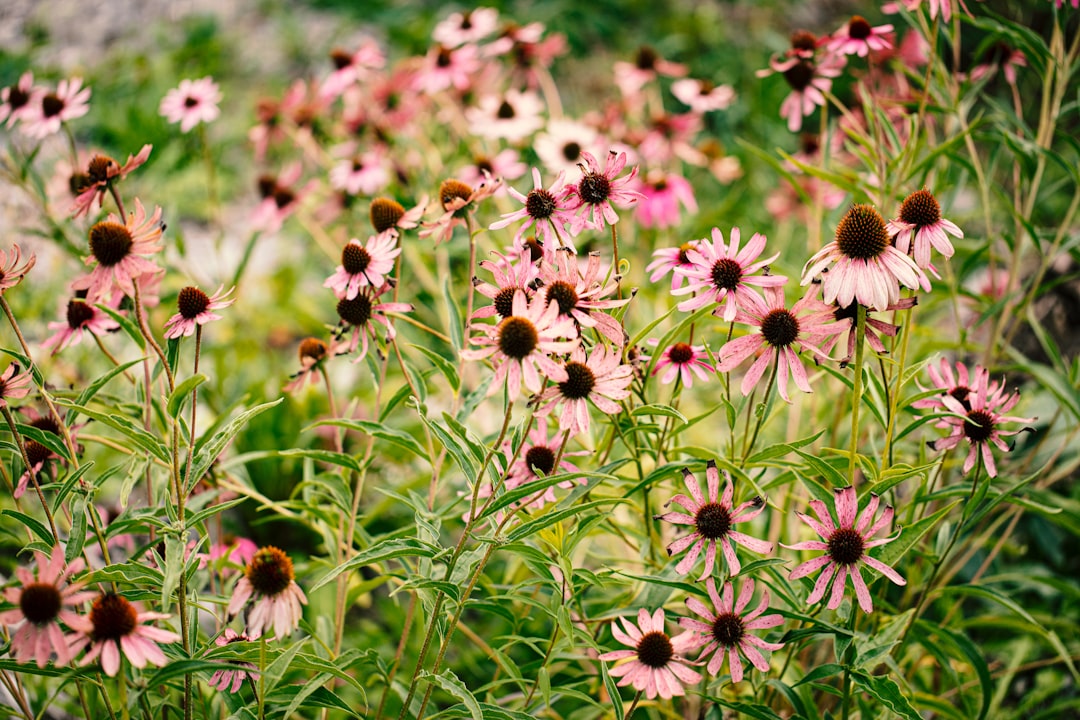
Echinacea is a popular natural remedy for cold and flu symptoms. It is derived from the Echinacea plant, which is native to North America. Echinacea has been used for centuries by Native Americans for its medicinal properties, and it has gained popularity in recent years as a natural alternative to over-the-counter cold and flu medications.
Many people turn to Echinacea because it is believed to boost the immune system and help fight off cold and flu symptoms. It is available in various forms, including supplements, teas, and tinctures. Echinacea is often used as a preventative measure during cold and flu season, as well as a treatment option for those who are already experiencing symptoms.
The use of Echinacea as a medicinal herb dates back centuries. Native American tribes, such as the Plains Indians, used Echinacea for various purposes, including treating infections, wounds, and snakebites. They would chew on the roots of the plant or make a tea from the leaves and flowers.
In the late 19th century, Echinacea gained popularity in Europe when German physician Dr. H.C.F. Meyer began studying its medicinal properties. He found that Echinacea had immune-stimulating effects and could be used to treat a variety of ailments, including respiratory infections.
Echinacea works by stimulating the immune system, specifically the activity of white blood cells called macrophages. These cells are responsible for engulfing and destroying pathogens, such as bacteria and viruses.
Research has shown that Echinacea can increase the production of interferon, a protein that helps regulate the immune response. It also enhances the activity of natural killer cells, which are important for fighting off infections.
Several studies have supported the effectiveness of Echinacea in fighting off cold and flu symptoms. A review of 14 studies found that Echinacea reduced the risk of developing a cold by 58% and reduced the duration of a cold by 1.4 days.
| Type of Echinacea | Benefits |
|---|---|
| Echinacea purpurea | Boosts immune system, reduces inflammation, relieves pain, fights respiratory infections |
| Echinacea angustifolia | Stimulates immune system, reduces inflammation, relieves pain, fights infections |
| Echinacea pallida | Boosts immune system, reduces inflammation, relieves pain, fights infections |
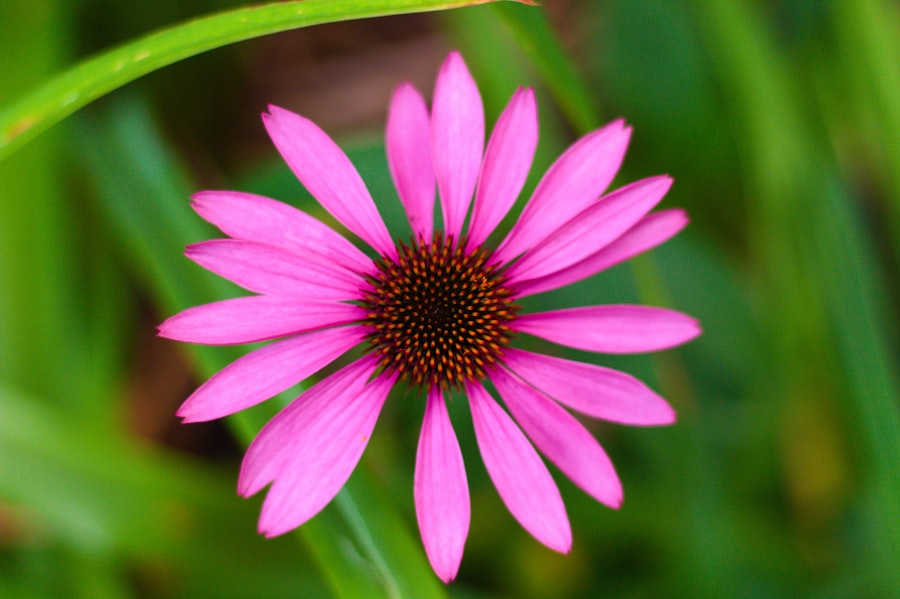
There are several species of Echinacea, including Echinacea purpurea, Echinacea angustifolia, and Echinacea pallida. Each species has its own unique benefits.
Echinacea purpurea is the most commonly used species and is known for its immune-boosting properties. It is often used to prevent and treat cold and flu symptoms.
Echinacea angustifolia is believed to have anti-inflammatory properties and is often used to relieve symptoms of respiratory infections, such as sore throat and cough.
Echinacea pallida is less commonly used but has been found to have antiviral properties. It may be beneficial for preventing and treating viral infections, such as the flu.
When it comes to choosing between Echinacea supplements and teas, it ultimately comes down to personal preference. Supplements are convenient and can be taken on-the-go, while teas provide a soothing and comforting experience. Both forms can be effective in boosting the immune system and fighting off cold and flu symptoms.
Echinacea can help alleviate a variety of cold and flu symptoms. It is particularly effective in reducing the severity and duration of symptoms such as sore throat, cough, nasal congestion, and fatigue.
Echinacea works by reducing inflammation in the respiratory tract, which can help relieve sore throat and cough. It also has antiviral properties that can help fight off the virus causing the cold or flu.
In addition to alleviating symptoms, Echinacea can also help shorten the duration of a cold or flu. Research has shown that taking Echinacea at the first sign of symptoms can reduce the duration of a cold by up to 1.4 days.
When it comes to dosage, it is important to follow the instructions on the product label. The recommended dosage for Echinacea supplements is typically 300-500 mg, taken three times a day. For teas, it is recommended to steep one tea bag in hot water for 5-10 minutes, up to three times a day.
While Echinacea is generally considered safe for most people, there are some potential side effects and safety concerns to be aware of. Some people may experience allergic reactions, such as rash or itching, when taking Echinacea. It is also not recommended for people with autoimmune disorders or those taking immunosuppressant medications.
It is always a good idea to consult with a healthcare provider before starting any new supplement or herbal remedy, especially if you have any underlying health conditions or are taking medications.
Echinacea can be used in conjunction with other natural remedies to boost the immune system and prevent cold and flu. Some other natural remedies that can be beneficial include vitamin C, zinc, elderberry, and garlic.
Vitamin C is known for its immune-boosting properties and can help reduce the severity and duration of cold symptoms. Zinc has antiviral properties and can help fight off the virus causing the cold or flu. Elderberry has been found to have antiviral properties and can help reduce the severity and duration of flu symptoms. Garlic has antimicrobial properties and can help fight off infections.
Combining these natural remedies can provide a synergistic effect and enhance their effectiveness in preventing and treating cold and flu symptoms.
Echinacea can be used safely and effectively in children to prevent and treat cold and flu symptoms. The recommended dosage for children varies depending on their age and weight.
For children under 2 years old, it is best to consult with a healthcare provider before giving them Echinacea. For children 2-5 years old, the recommended dosage is typically 1-2 mL of Echinacea tincture, three times a day. For children 6-12 years old, the recommended dosage is typically 2-3 mL of Echinacea tincture, three times a day.
It is important to choose age-appropriate Echinacea products for children and follow the instructions on the product label. As with adults, it is always a good idea to consult with a healthcare provider before giving any new supplement or herbal remedy to children.
While Echinacea can be beneficial for most people, it may not be suitable for those with chronic illnesses or weak immune systems. People with autoimmune disorders, such as rheumatoid arthritis or lupus, should avoid taking Echinacea as it can potentially stimulate the immune system and worsen symptoms.
Similarly, people with weak immune systems, such as those undergoing chemotherapy or taking immunosuppressant medications, should avoid taking Echinacea as it can potentially interfere with their medications or treatments.
It is important to consult with a healthcare provider before using Echinacea if you have any underlying health conditions or are taking medications that may interact with it.
Echinacea is a natural remedy that can be beneficial for preventing and treating cold and flu symptoms. It works by boosting the immune system and reducing inflammation in the respiratory tract.
There are different species of Echinacea, each with its own unique benefits. It is available in various forms, including supplements and teas. The recommended dosage varies depending on the form and age of the individual.
Echinacea can be used in conjunction with other natural remedies to enhance its effectiveness in preventing and treating cold and flu symptoms. However, it is important to consult with a healthcare provider before starting any new supplement or herbal remedy, especially if you have any underlying health conditions or are taking medications.
Incorporating Echinacea into your cold and flu prevention plan can be a natural and effective way to boost your immune system and stay healthy during cold and flu season.
