




Gut health is a topic that has gained significant attention in recent years, and for good reason. The health of our gut plays a crucial role in our overall well-being, affecting everything from digestion to immunity to mental health. One key component of maintaining a healthy gut is the use of probiotics. Probiotics are live bacteria and yeasts that are beneficial for our gut microbiome, the collection of microorganisms that reside in our digestive tract. In this article, we will explore the importance of gut health, the role of probiotics in maintaining it, and how to incorporate probiotics into our daily routine.
The gut, also known as the gastrointestinal tract, is responsible for the digestion and absorption of nutrients from the food we eat. It is lined with a complex ecosystem of microorganisms, collectively known as the gut microbiome. These microorganisms include bacteria, viruses, fungi, and other microbes. The gut microbiome plays a crucial role in maintaining our overall health by aiding in digestion, producing essential vitamins, regulating metabolism, and supporting our immune system.
When the balance of microorganisms in the gut is disrupted, it can lead to various health issues. Imbalances in the gut microbiome have been linked to conditions such as irritable bowel syndrome (IBS), inflammatory bowel disease (IBD), obesity, allergies, and even mental health disorders like depression and anxiety. Therefore, maintaining a healthy gut is essential for overall well-being.
Probiotics are live microorganisms that can provide health benefits when consumed in adequate amounts. They are often referred to as “good bacteria” because they help restore and maintain a healthy balance of microorganisms in the gut. Probiotics can be found naturally in certain foods or taken as supplements.
The main function of probiotics is to support the gut microbiome by promoting the growth of beneficial bacteria and inhibiting the growth of harmful bacteria. They do this by competing for resources and space in the gut, creating an environment that is favorable for the growth of beneficial bacteria. Probiotics also produce substances that can help strengthen the gut lining, improve digestion, and modulate the immune system.
| Probiotic Strain | Benefit |
|---|---|
| Lactobacillus acidophilus | Produces lactic acid, which lowers pH and inhibits growth of harmful bacteria |
| Bifidobacterium bifidum | Produces short-chain fatty acids, which nourish colon cells and improve gut barrier function |
| Streptococcus thermophilus | Produces lactase, which helps digest lactose and reduce symptoms of lactose intolerance |
| Saccharomyces boulardii | Helps prevent and treat diarrhea by inhibiting growth of harmful bacteria and restoring gut flora balance |
| Lactobacillus rhamnosus | Boosts immune system function and reduces risk of respiratory and gastrointestinal infections |
Probiotics work in several ways to improve gut health. Firstly, they help with digestion by breaking down food and aiding in nutrient absorption. Certain strains of probiotics produce enzymes that can break down complex carbohydrates, proteins, and fats, making them easier for our bodies to digest.
Secondly, probiotics have anti-inflammatory properties that can help reduce inflammation in the gut. Chronic inflammation in the gut can lead to conditions such as IBS and IBD. By reducing inflammation, probiotics can help alleviate symptoms associated with these conditions and promote overall gut health.
Lastly, probiotics can help restore the balance of microorganisms in the gut after disruptions such as antibiotic use or illness. Antibiotics can kill both harmful and beneficial bacteria in the gut, leading to an imbalance. Taking probiotics during or after a course of antibiotics can help replenish the beneficial bacteria and restore a healthy gut microbiome.
There are many different strains of probiotics, each with its own unique benefits. Some common strains include Lactobacillus acidophilus, Bifidobacterium bifidum, and Saccharomyces boulardii.
Lactobacillus acidophilus is one of the most well-known and widely studied strains of probiotics. It is commonly found in yogurt and other fermented foods. This strain has been shown to improve digestion, boost immunity, and reduce symptoms of lactose intolerance.
Bifidobacterium bifidum is another commonly used strain of probiotics. It is found naturally in the gut and helps maintain a healthy balance of microorganisms. This strain has been shown to improve digestion, reduce inflammation, and support immune function.
Saccharomyces boulardii is a yeast-based probiotic that has been shown to be effective in treating diarrhea caused by antibiotics or infections. It can help restore the balance of microorganisms in the gut and alleviate symptoms associated with digestive disorders.
When choosing a probiotic, it is important to consider your specific needs and health goals. Different strains of probiotics have different benefits, so it is important to choose one that aligns with your individual needs.
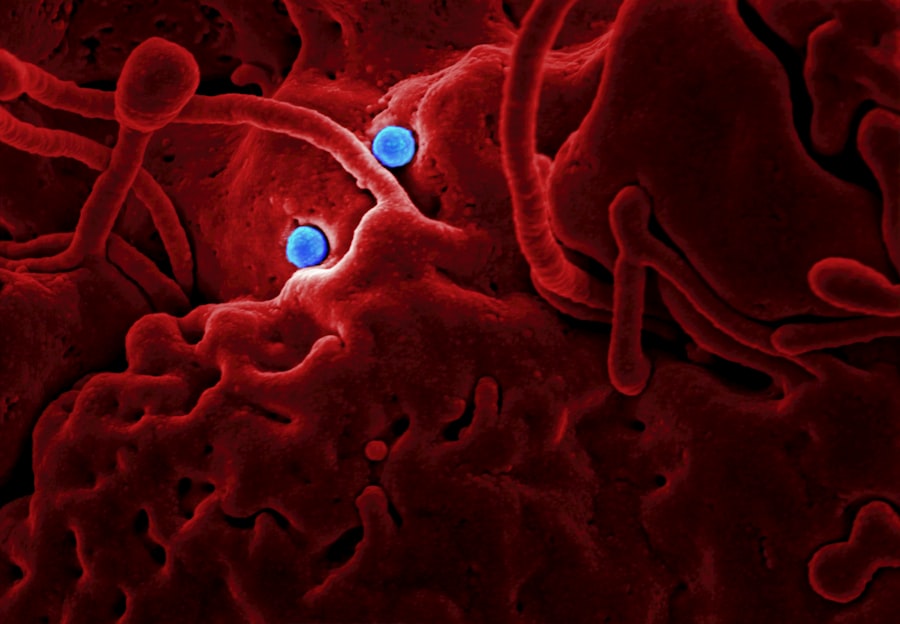
In addition to taking probiotic supplements, you can also incorporate foods rich in probiotics into your diet to support a healthy gut. Some examples of probiotic-rich foods include yogurt, kefir, sauerkraut, kimchi, miso, and kombucha.
Yogurt is perhaps the most well-known probiotic food. It contains live cultures of beneficial bacteria, such as Lactobacillus acidophilus and Bifidobacterium bifidum. When choosing yogurt, opt for varieties that contain live and active cultures and avoid those that are high in added sugars.
Kefir is a fermented milk drink that is similar to yogurt but has a thinner consistency. It contains a variety of beneficial bacteria and yeasts that can help improve digestion and support immune function. Kefir can be enjoyed on its own or used as a base for smoothies or salad dressings.
Sauerkraut and kimchi are fermented vegetables that are rich in probiotics. They are made by fermenting cabbage with salt and other seasonings. These fermented foods not only provide beneficial bacteria but also contain fiber and other nutrients that can support gut health.
Miso is a traditional Japanese seasoning made from fermented soybeans. It is commonly used in soups and sauces and provides a good source of probiotics. Miso is also rich in antioxidants and other beneficial compounds that can support overall health.
Kombucha is a fermented tea that is made by fermenting sweetened tea with a culture of bacteria and yeast. It is known for its fizzy texture and tangy flavor. Kombucha contains a variety of beneficial bacteria and yeasts that can support gut health and boost immunity.
When incorporating probiotic-rich foods into your diet, it is important to choose varieties that are unpasteurized and contain live cultures. Pasteurization can kill the beneficial bacteria, so look for products that are labeled as containing live and active cultures.
If you prefer to take a probiotic supplement, there are several factors to consider when choosing the right one for your needs. Firstly, look for a supplement that contains a variety of strains of probiotics. Different strains have different benefits, so a supplement with multiple strains can provide a broader range of benefits.
Secondly, consider the potency of the supplement. The potency refers to the number of live bacteria or colony-forming units (CFUs) in each dose. Higher potency supplements may be more effective, especially for individuals with specific health concerns or conditions.
It is also important to choose a reputable brand when purchasing probiotic supplements. Look for brands that have been tested for quality and purity by third-party organizations. This can help ensure that you are getting a high-quality product that contains the stated amount of live bacteria.
Lastly, consider the form of the supplement. Probiotic supplements come in various forms, including capsules, tablets, powders, and liquids. Choose a form that is convenient for you to take and fits into your daily routine.
In addition to probiotics, prebiotics are another important component of maintaining a healthy gut. Prebiotics are a type of fiber that cannot be digested by our bodies but serve as food for the beneficial bacteria in our gut. By providing nourishment for these bacteria, prebiotics help support their growth and activity.
Prebiotics can be found naturally in certain foods, such as onions, garlic, leeks, asparagus, bananas, and oats. They can also be taken as supplements. When combined with probiotics, prebiotics can help enhance their effectiveness and promote optimal gut health.
The combination of probiotics and prebiotics is often referred to as synbiotics. Synbiotics work synergistically to support the growth of beneficial bacteria and improve overall gut health. By taking a synbiotic supplement or consuming foods that contain both probiotics and prebiotics, you can maximize the benefits for your gut.
The gut-brain axis is a bidirectional communication system between the gut and the brain. It involves the complex interactions between the gut microbiome, the immune system, and the central nervous system. Emerging research has shown that the health of our gut can have a significant impact on our mental health.
The gut microbiome produces neurotransmitters such as serotonin, dopamine, and gamma-aminobutyric acid (GABA), which play a crucial role in regulating mood and emotions. Imbalances in the gut microbiome have been linked to mental health disorders such as depression, anxiety, and even neurodegenerative diseases like Alzheimer’s.
Furthermore, the gut microbiome communicates with the brain through various pathways, including the vagus nerve and the immune system. Disruptions in this communication can lead to inflammation in the brain and contribute to mental health issues.
By maintaining a healthy gut microbiome through the use of probiotics and a balanced diet, we can support our mental health and overall well-being. However, it is important to note that while probiotics can be beneficial for mental health, they should not replace conventional treatments for mental health disorders. If you are experiencing mental health issues, it is important to seek professional help.
The gut plays a crucial role in our immune system, and probiotics can help boost our immune response. The gut is home to a large portion of our immune cells, and a healthy gut microbiome is essential for proper immune function.
Probiotics can enhance the activity of immune cells in the gut, such as T cells and natural killer cells. They can also help regulate the production of cytokines, which are signaling molecules that play a role in inflammation and immune response.
Research has shown that certain strains of probiotics can help reduce the risk and duration of respiratory infections, such as the common cold and flu. They can also help alleviate symptoms associated with allergies and autoimmune conditions by modulating the immune response.
By incorporating probiotics into our daily routine, we can support our immune system and reduce the risk of infections and other immune-related conditions.
Incorporating probiotics into your daily routine doesn’t have to be complicated. Here are some practical tips to help you get started:
1. Start with food: Begin by incorporating probiotic-rich foods into your diet. Yogurt, kefir, sauerkraut, kimchi, miso, and kombucha are all great options. Aim to include at least one serving of these foods in your daily meals.
2. Choose a high-quality supplement: If you prefer to take a probiotic supplement, choose one that contains a variety of strains and has been tested for quality and purity. Follow the recommended dosage instructions on the label.
3. Be consistent: Consistency is key when it comes to taking probiotics. Make it a habit to take your probiotic supplement or consume probiotic-rich foods every day. This will help maintain a healthy balance of microorganisms in your gut.
4. Consider timing: Some experts recommend taking probiotics on an empty stomach, while others suggest taking them with food. Experiment with different timings to see what works best for you. If you experience any digestive discomfort, try taking your probiotic with food.
5. Listen to your body: Pay attention to how your body responds to probiotics. If you experience any adverse effects, such as bloating or diarrhea, reduce the dosage or try a different strain of probiotics. It may take some trial and error to find the right probiotic for your individual needs.
Maintaining a healthy gut is essential for overall well-being, and probiotics play a crucial role in supporting gut health. By promoting the growth of beneficial bacteria, improving digestion, reducing inflammation, and supporting immune function, probiotics can have a profound impact on our health.
Whether you choose to incorporate probiotic-rich foods into your diet or take a supplement, it is important to prioritize consistency and choose high-quality products. By making probiotics a part of your daily routine, you can support your gut health and reap the many benefits they offer.
Remember that everyone’s gut microbiome is unique, so what works for one person may not work for another. It may take some time and experimentation to find the right probiotic and routine that works best for you. Consult with a healthcare professional if you have any specific health concerns or questions about incorporating probiotics into your daily routine.
