




The relationship between chronic inflammatory responses and depression has garnered significant attention in recent years. Research indicates that inflammation, a natural response of the immune system to injury or infection, can become problematic when it persists over time. This prolonged state of inflammation has been linked to various physical health issues, but its connection to mental health, particularly depression, is increasingly recognized.
Individuals experiencing chronic inflammation may find themselves grappling with not only physical symptoms but also emotional and psychological challenges that can severely impact their quality of life. Studies have shown that inflammatory markers, such as cytokines, are often elevated in individuals diagnosed with depression. These markers can influence neurotransmitter systems in the brain, which are crucial for regulating mood and emotional well-being.
The interplay between the immune system and the brain suggests that chronic inflammation may contribute to the onset or exacerbation of depressive symptoms. Understanding this link is essential for developing effective treatment strategies that address both the physical and mental health aspects of those affected.
Inflammation is a complex biological response that serves as a protective mechanism against harmful stimuli, such as pathogens or tissue injury. However, when this response becomes chronic, it can lead to a range of health issues, including mental health disorders. The brain is particularly sensitive to inflammatory processes, and research has shown that elevated levels of inflammatory markers can disrupt normal brain function.
This disruption can manifest as changes in mood, cognition, and behavior, contributing to the development of conditions like depression. The role of inflammation in mental health is multifaceted. It can affect neurotransmitter production, alter neural connectivity, and even influence neuroplasticity—the brain’s ability to adapt and change over time.
For instance, inflammation can reduce the availability of serotonin, a neurotransmitter closely linked to mood regulation. Additionally, chronic inflammation may impair the brain’s ability to form new connections, which is vital for learning and emotional resilience. By understanding these mechanisms, healthcare providers can better address the underlying causes of depression in individuals with chronic inflammatory responses.

Recognizing the symptoms associated with chronic inflammatory responses is crucial for timely intervention and management. While many people may associate inflammation with physical symptoms such as pain or swelling, its effects on mental health can be equally profound yet less visible. Common signs of chronic inflammation include persistent fatigue, unexplained aches and pains, and frequent infections.
However, individuals may also experience emotional symptoms such as irritability, anxiety, and depressive moods. In addition to these symptoms, cognitive changes may also occur. Individuals might find it challenging to concentrate or remember information, leading to feelings of frustration and helplessness.
These cognitive impairments can further exacerbate feelings of depression, creating a cycle that is difficult to break. By being aware of these symptoms, individuals can seek appropriate medical advice and support to address both their physical and mental health needs.
Chronic inflammatory responses can significantly impact brain function in various ways. One of the most concerning effects is the alteration of neurotransmitter systems that are essential for mood regulation. For example, inflammation can lead to decreased levels of serotonin and dopamine—two neurotransmitters that play critical roles in feelings of happiness and motivation.
When these neurotransmitters are disrupted, individuals may experience heightened feelings of sadness or apathy. Moreover, chronic inflammation can affect neurogenesis—the process by which new neurons are formed in the brain. This process is vital for learning, memory, and emotional regulation.
Inflammation can hinder neurogenesis, leading to cognitive decline and an increased risk of developing mood disorders. Understanding how chronic inflammatory responses affect brain function is essential for developing targeted interventions that can help restore balance and improve mental health outcomes.
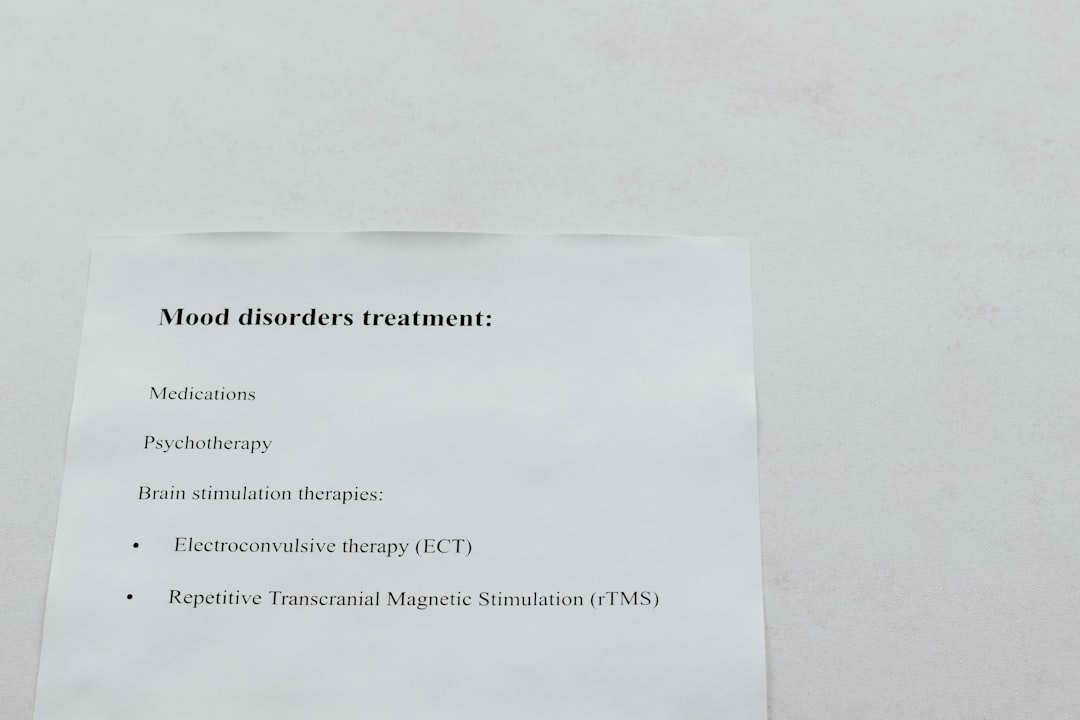
Addressing both chronic inflammatory responses and depression requires a comprehensive approach that considers both physical and mental health needs. Treatment options may include anti-inflammatory medications that target the underlying causes of inflammation while also addressing depressive symptoms. Non-steroidal anti-inflammatory drugs (NSAIDs) or corticosteroids may be prescribed in some cases to help reduce inflammation.
In addition to pharmacological treatments, psychotherapy can play a vital role in managing depression associated with chronic inflammation. Cognitive-behavioral therapy (CBT) has been shown to be effective in helping individuals develop coping strategies and challenge negative thought patterns that contribute to their emotional distress. Combining medication with therapy can provide a holistic approach to treatment, addressing both the biological and psychological aspects of the condition.

Making lifestyle changes can significantly impact managing chronic inflammatory responses and improving overall mental health. Diet plays a crucial role in inflammation; incorporating anti-inflammatory foods such as fruits, vegetables, whole grains, and healthy fats can help reduce inflammation levels in the body. Omega-3 fatty acids found in fish and flaxseeds are particularly beneficial due to their anti-inflammatory properties.
Regular physical activity is another essential component of managing chronic inflammation. Exercise has been shown to reduce inflammatory markers while also promoting the release of endorphins—natural mood lifters that can help alleviate depressive symptoms. Additionally, practices such as mindfulness meditation and yoga can help reduce stress levels, which is important since stress is a known trigger for inflammation.
By adopting these lifestyle changes, individuals can take proactive steps toward improving their physical health while also supporting their mental well-being.
For individuals experiencing symptoms related to chronic inflammatory responses and depression, seeking professional help is crucial. A healthcare provider can conduct a thorough assessment to determine the underlying causes of inflammation and its impact on mental health. This assessment may include blood tests to measure inflammatory markers and evaluate overall health.
Once a diagnosis is made, healthcare providers can work with patients to develop personalized treatment plans that address both physical and mental health needs. This collaborative approach ensures that individuals receive comprehensive care tailored to their unique circumstances. Support from mental health professionals can also provide valuable resources for coping with emotional challenges associated with chronic inflammation.
The field of research surrounding chronic inflammatory responses and depression is rapidly evolving, with new findings emerging regularly. Ongoing studies aim to uncover the intricate mechanisms linking inflammation and mental health while exploring innovative treatment options. For instance, researchers are investigating the potential benefits of anti-inflammatory agents as adjunct therapies for depression, which could lead to more effective treatment protocols.
Future perspectives also include a greater emphasis on personalized medicine—tailoring treatments based on individual genetic profiles and specific inflammatory markers. This approach holds promise for improving outcomes for those affected by both chronic inflammation and depression. As our understanding of these complex interactions deepens, there is hope for more effective interventions that address the root causes of these intertwined conditions.
In conclusion, recognizing the link between chronic inflammatory responses and depression is essential for improving patient care and outcomes. By understanding the role of inflammation in mental health, identifying symptoms early on, and seeking appropriate treatment options, individuals can take proactive steps toward managing their health holistically. With ongoing research and advancements in treatment strategies, there is hope for a brighter future for those navigating the challenges posed by chronic inflammation and its impact on mental well-being.
