




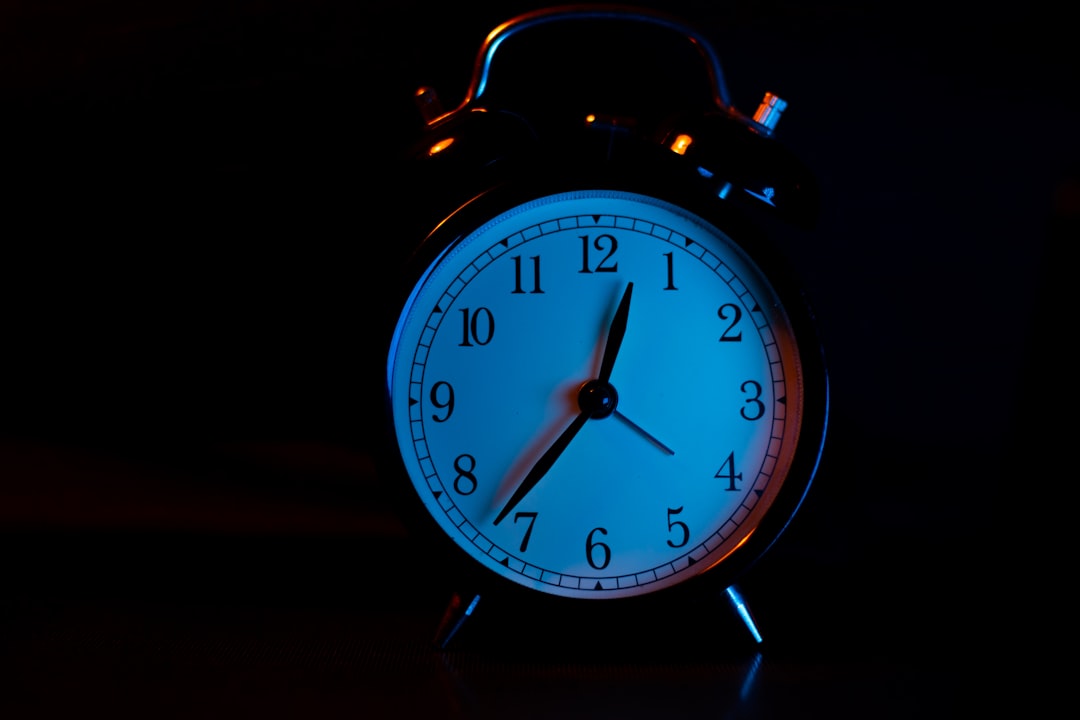
Circadian rhythms are the natural cycles that govern various biological processes in living organisms, including humans. These rhythms typically follow a 24-hour cycle, influenced primarily by environmental cues such as light and temperature. The term “circadian” is derived from the Latin words “circa,” meaning “around,” and “diem,” meaning “day.” This biological clock regulates sleep-wake cycles, hormone release, eating habits, and other bodily functions.
The master clock of the body is located in the suprachiasmatic nucleus (SCN) of the hypothalamus, which receives direct input from the eyes, allowing it to synchronize with the external environment. Understanding circadian rhythms is crucial for recognizing how they affect our daily lives. These rhythms not only dictate when we feel awake or sleepy but also influence our overall health and well-being.
For instance, disruptions to these natural cycles can lead to various health issues, including sleep disorders, metabolic problems, and even mental health challenges. By appreciating the significance of circadian rhythms, we can better understand their role in maintaining a balanced lifestyle and promoting optimal health.
The relationship between circadian rhythms and mental health is profound and multifaceted. Research has shown that our internal clocks play a significant role in regulating mood and emotional stability. When our circadian rhythms are aligned with our environment, we tend to experience better mental clarity, improved mood, and enhanced cognitive function.
Conversely, when these rhythms are disrupted, individuals may experience heightened feelings of anxiety, irritability, and depression. One of the key ways circadian rhythms influence mental health is through their effect on sleep patterns. Quality sleep is essential for emotional regulation and cognitive performance.
When our sleep-wake cycles are misaligned—due to factors such as shift work, travel across time zones, or excessive screen time—our ability to process emotions and cope with stress can be compromised. This disruption can lead to a cascade of negative effects on mental health, making it essential to prioritize healthy circadian rhythms for overall well-being.
Disruptions to circadian rhythms can arise from various sources, including lifestyle choices, environmental factors, and medical conditions. For instance, irregular sleep schedules, such as those experienced by shift workers or frequent travelers, can throw off the body’s internal clock. Additionally, exposure to artificial light during the evening hours can interfere with the natural production of melatonin, a hormone that signals the body to prepare for sleep.
These disruptions can lead to a range of mental health issues, including increased anxiety and depressive symptoms. Moreover, certain medical conditions can exacerbate circadian rhythm disruptions. For example, individuals with mood disorders often experience irregular sleep patterns that further complicate their mental health challenges.
This creates a vicious cycle where poor sleep exacerbates mood symptoms, leading to even greater difficulties in maintaining a stable emotional state. Understanding these disruptions is crucial for developing effective strategies to restore balance and promote mental well-being.
Light plays a pivotal role in regulating circadian rhythms. The presence of natural light during the day helps signal to our bodies that it is time to be awake and alert. Conversely, as daylight fades, the body begins to produce melatonin, signaling that it is time to wind down and prepare for sleep.
This intricate relationship between light exposure and circadian rhythms underscores the importance of maintaining a healthy balance between light and darkness in our daily lives. In today’s modern world, artificial light sources—such as screens from smartphones, computers, and televisions—can disrupt this natural cycle. Exposure to blue light emitted by these devices can trick the brain into thinking it is still daytime, inhibiting melatonin production and delaying sleep onset.
To mitigate these effects, it is essential to create an environment conducive to healthy circadian rhythms by limiting screen time in the evening and ensuring exposure to natural light during the day.
Maintaining healthy circadian rhythms requires intentional lifestyle choices that promote regularity in sleep-wake cycles. One effective strategy is to establish a consistent sleep schedule by going to bed and waking up at the same time each day, even on weekends. This consistency helps reinforce the body’s internal clock and improves overall sleep quality.
In addition to a regular sleep schedule, creating a calming bedtime routine can signal to the body that it is time to wind down. Engaging in relaxing activities such as reading, meditating, or practicing gentle yoga can help prepare both the mind and body for restful sleep. Furthermore, optimizing the sleep environment by keeping the bedroom dark, cool, and quiet can enhance sleep quality and support healthy circadian rhythms.

Research has increasingly highlighted the connection between circadian rhythms and mood disorders such as depression and bipolar disorder. Individuals with these conditions often experience significant disruptions in their sleep patterns and circadian rhythms. For example, people with depression may struggle with insomnia or hypersomnia—sleeping too much—which can exacerbate their mood symptoms.
Understanding this link is crucial for developing effective treatment strategies for mood disorders. Therapies that focus on stabilizing circadian rhythms—such as light therapy or chronotherapy—have shown promise in alleviating symptoms of depression and improving overall mood stability. By addressing the underlying circadian disruptions, individuals may find relief from their mood-related challenges and experience a greater sense of emotional balance.
Anxiety disorders are another area where circadian rhythms play a significant role. Disruptions in sleep patterns can heighten feelings of anxiety and contribute to a cycle of worry that further impairs sleep quality. Individuals with anxiety may find themselves caught in a loop where anxiety leads to poor sleep, which in turn exacerbates anxiety symptoms.
To break this cycle, it is essential to prioritize healthy sleep habits and establish routines that promote relaxation before bedtime. Techniques such as mindfulness meditation or deep breathing exercises can help calm the mind and prepare it for restful sleep. Additionally, addressing any underlying factors contributing to anxiety—such as stressors in daily life or unresolved emotional issues—can further support the restoration of healthy circadian rhythms.
For individuals struggling with mental health challenges related to circadian rhythm disruptions, seeking professional help can be an important step toward recovery. Mental health professionals can provide valuable insights into how circadian rhythms impact emotional well-being and offer tailored strategies for restoring balance. Therapeutic approaches may include cognitive-behavioral therapy (CBT), which can help individuals identify negative thought patterns contributing to their mental health struggles.
Additionally, healthcare providers may recommend lifestyle modifications or interventions such as light therapy or melatonin supplementation to help regulate circadian rhythms effectively. In conclusion, understanding the intricate relationship between circadian rhythms and mental health is essential for promoting overall well-being. By recognizing the impact of these natural cycles on mood and emotional stability, individuals can take proactive steps toward maintaining healthy circadian rhythms and seeking professional support when needed.
Prioritizing sleep hygiene, managing light exposure, and establishing consistent routines are all vital components of fostering a balanced lifestyle that supports mental health.
